
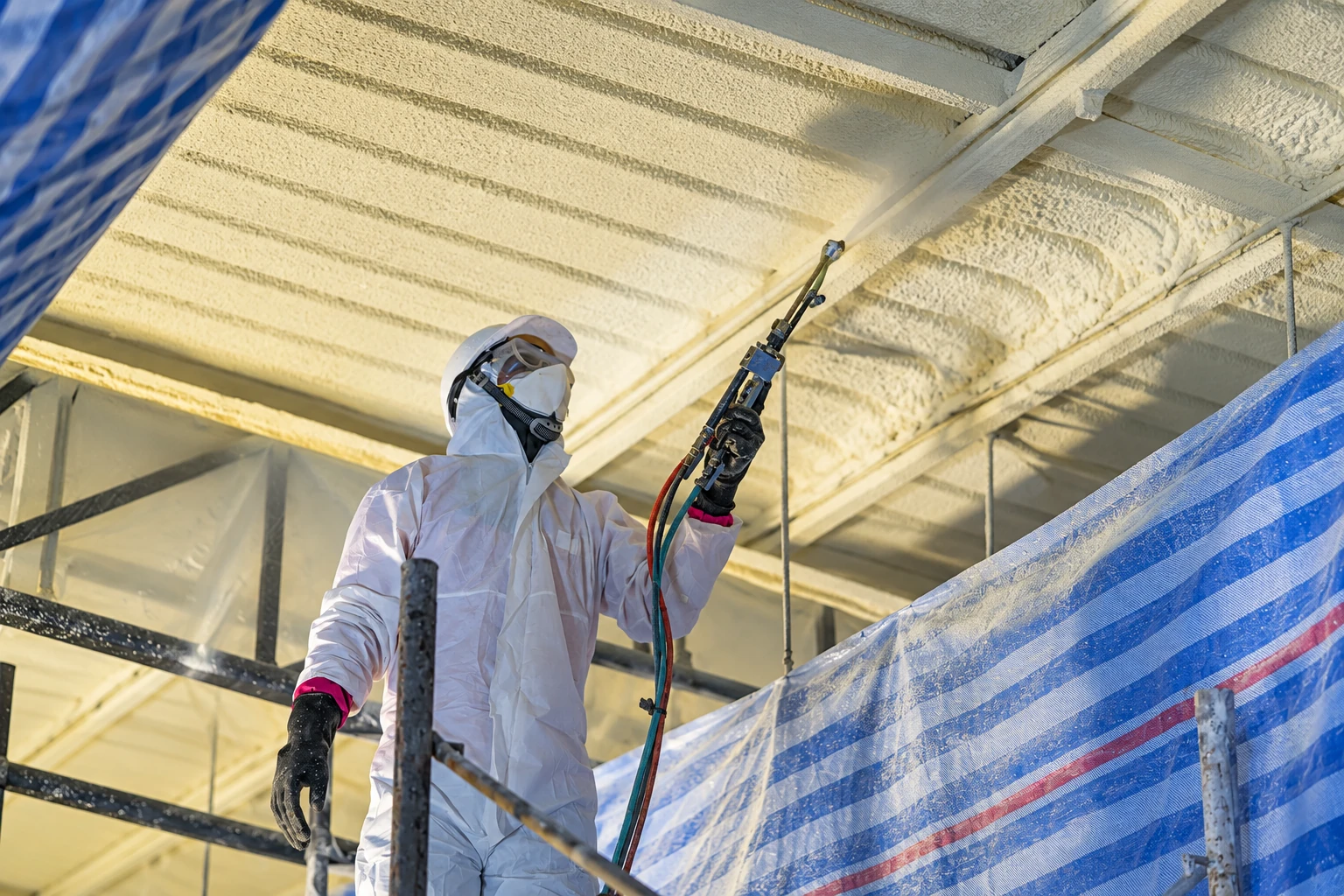
Spray foam insulation
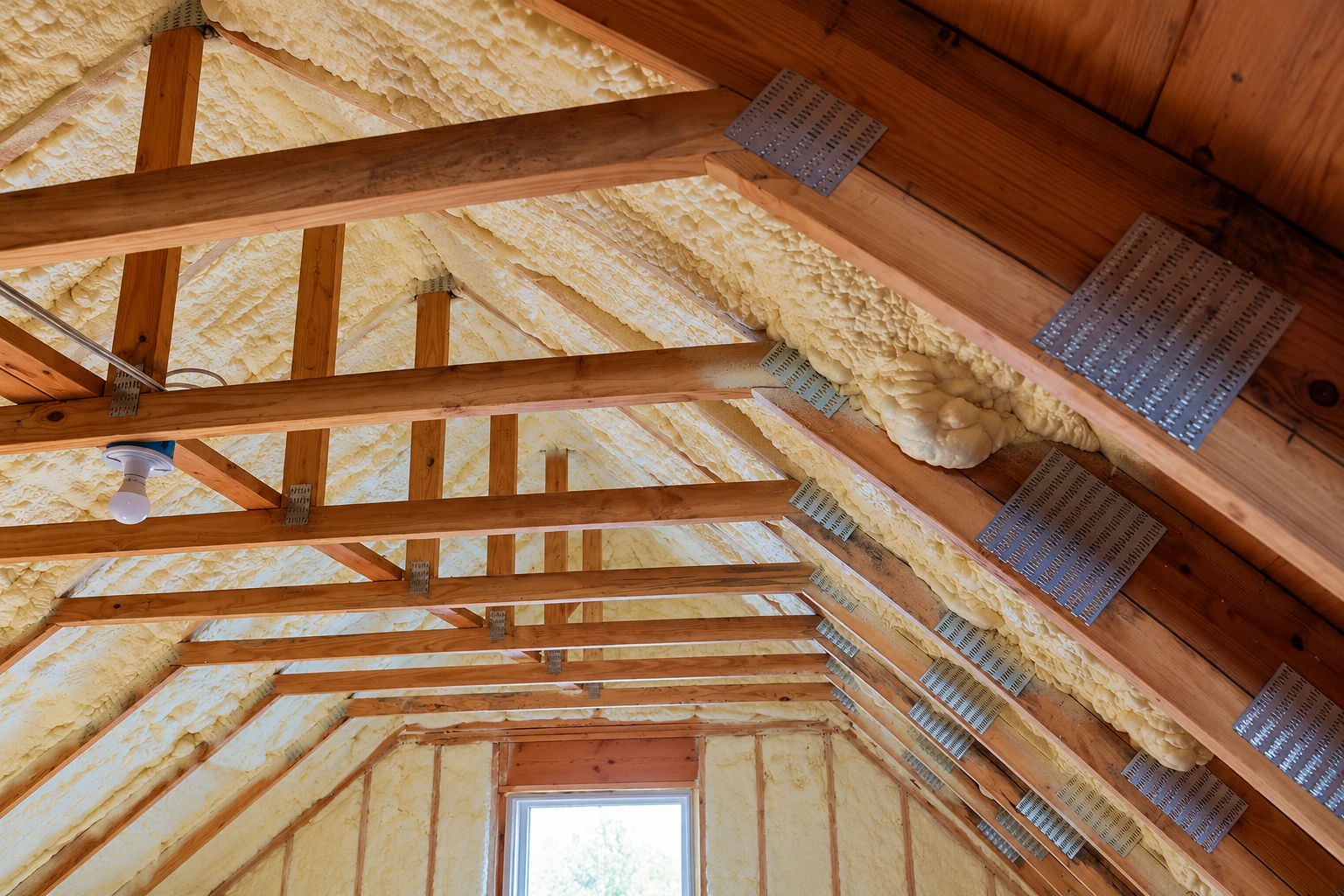
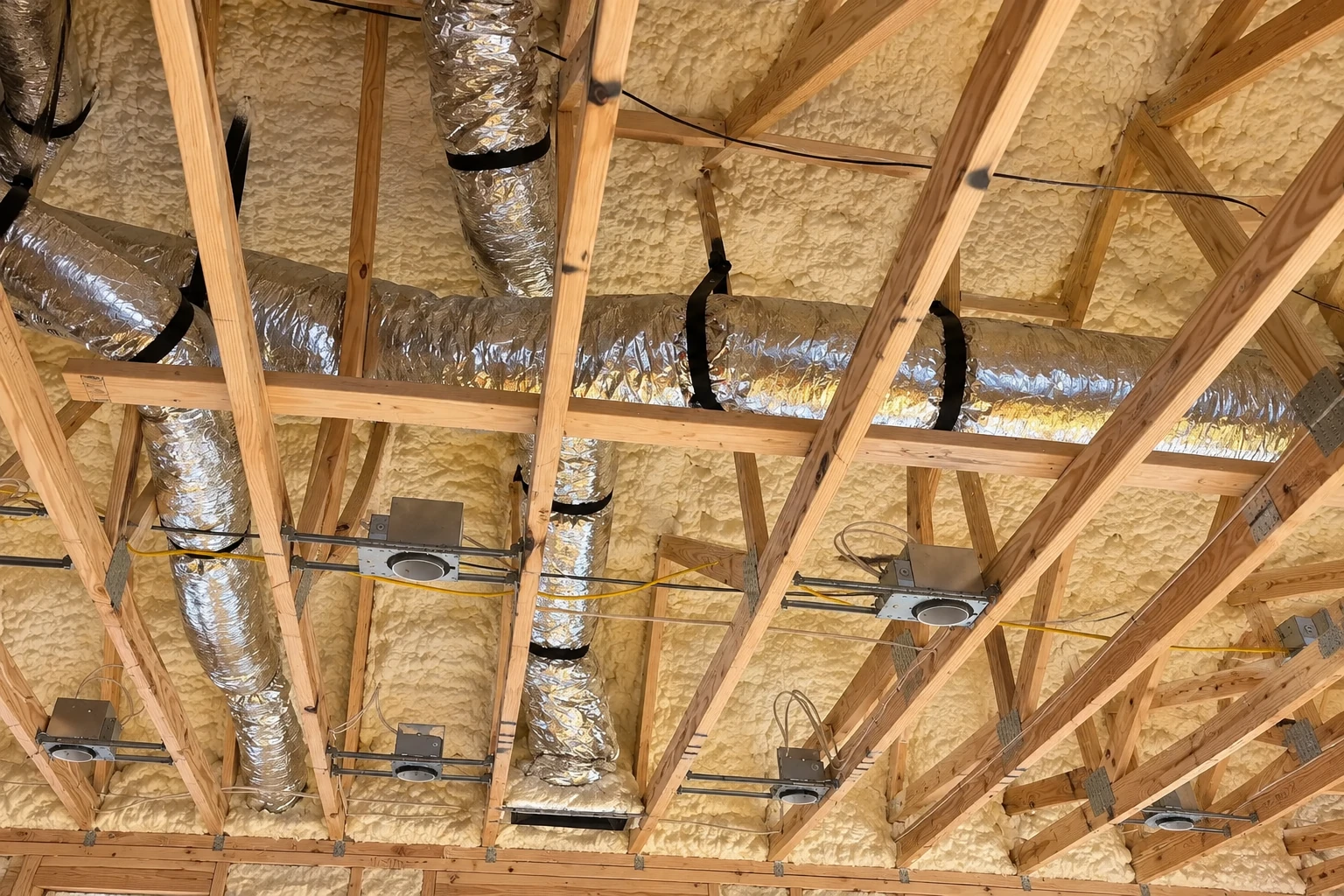
Foam sprayed onto the roof deck or into walls insulates and seals air in one pass. It costs more than loose fill, so we mostly recommend it where ductwork runs through the attic.
South Whittier Insulation and Spray Foam seals and insulates attics in South Whittier and nearby cities like Whittier and Norwalk. We also clear out dirty, worn-out insulation and insulate crawl spaces under cold floors.
South Whittier Insulation and Spray Foam has been an insulation contractor in South Whittier since 2013, and we handle 16 services, from attics and crawl spaces to walls and small commercial spaces. Most calls start with a hot upstairs, a drafty room over the garage or a power bill that keeps going up. The price depends on what's already in your attic, whether old insulation has to come out, how many gaps need sealing and whether foam or loose fill is the right fit. The schedule depends on the same things, plus any roof leak that has to be fixed first. Your free on-site estimate puts your number in writing.
Foam sprayed onto the roof deck or into walls insulates and seals air in one pass. It costs more than loose fill, so we mostly recommend it where ductwork runs through the attic.
This is the job we do most. We keep the eave vents clear so the attic can still breathe, and we bring the depth up evenly, out to the edges as well as the middle.
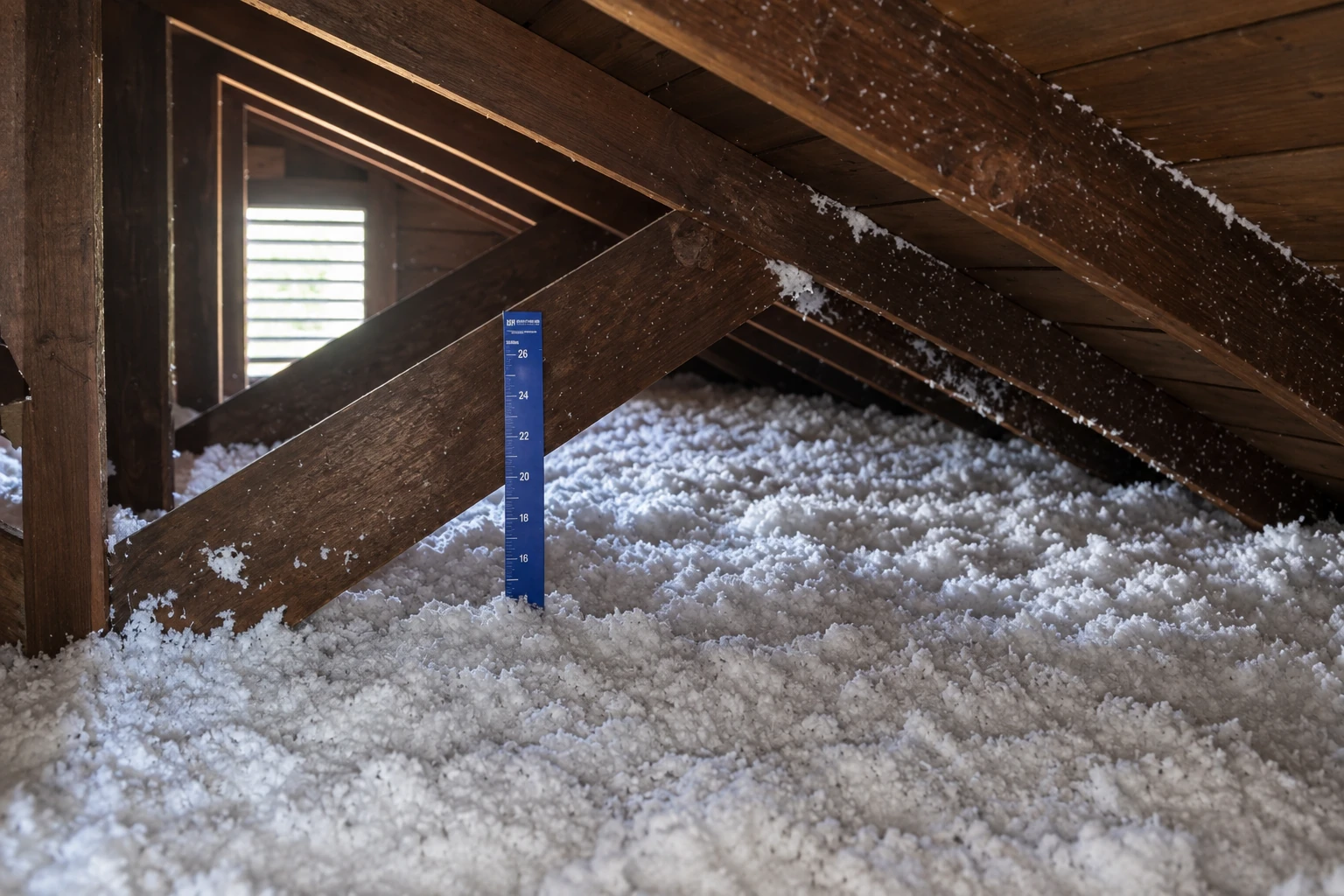
Blown-in insulation is loose fill blown through a hose, so it settles into corners and around framing that batts tend to miss. It's how we usually top up an attic that's gone thin.
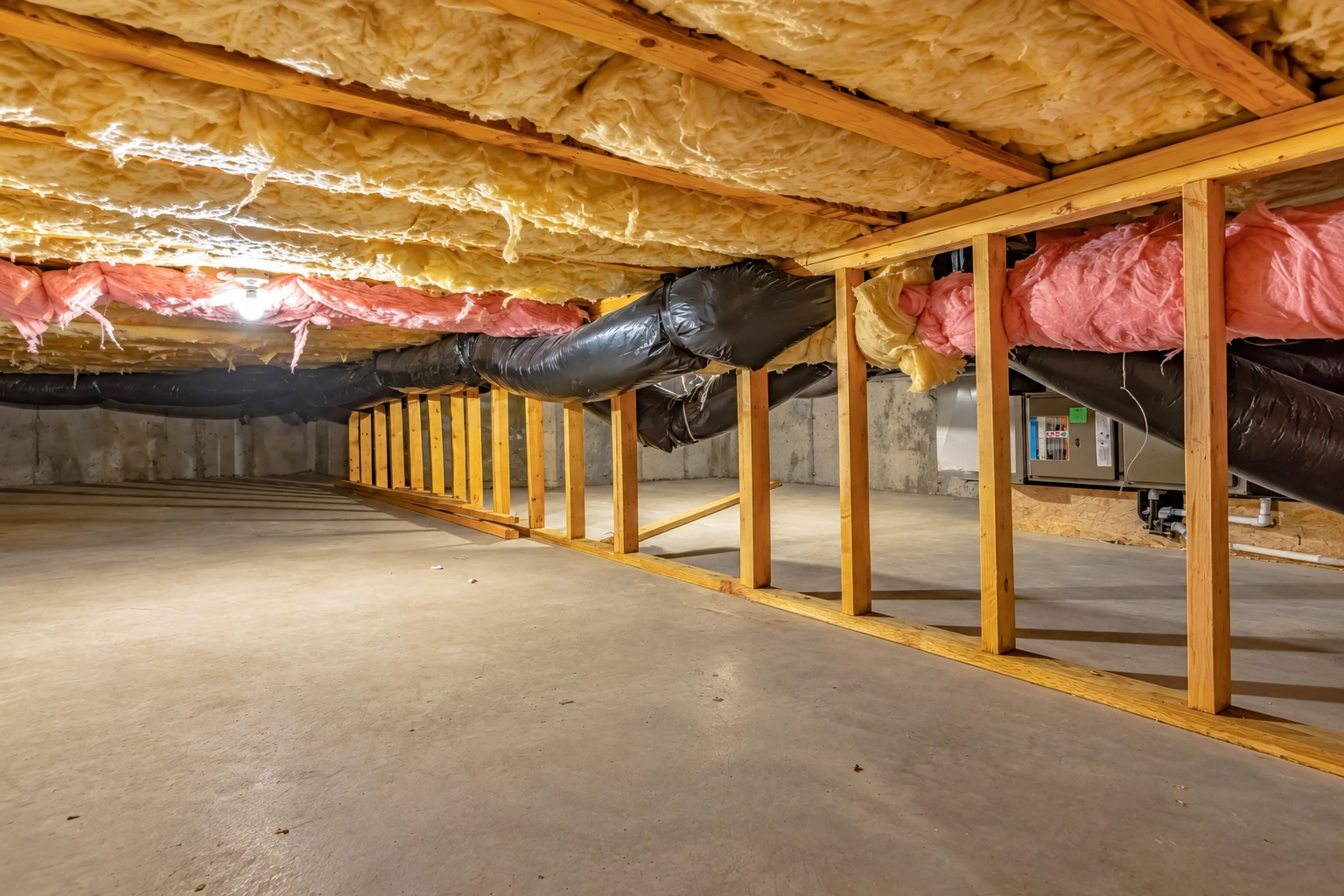
When a house is drafty in more than one place, we look at the attic, walls and crawl space together and tell you which one to do first and why.
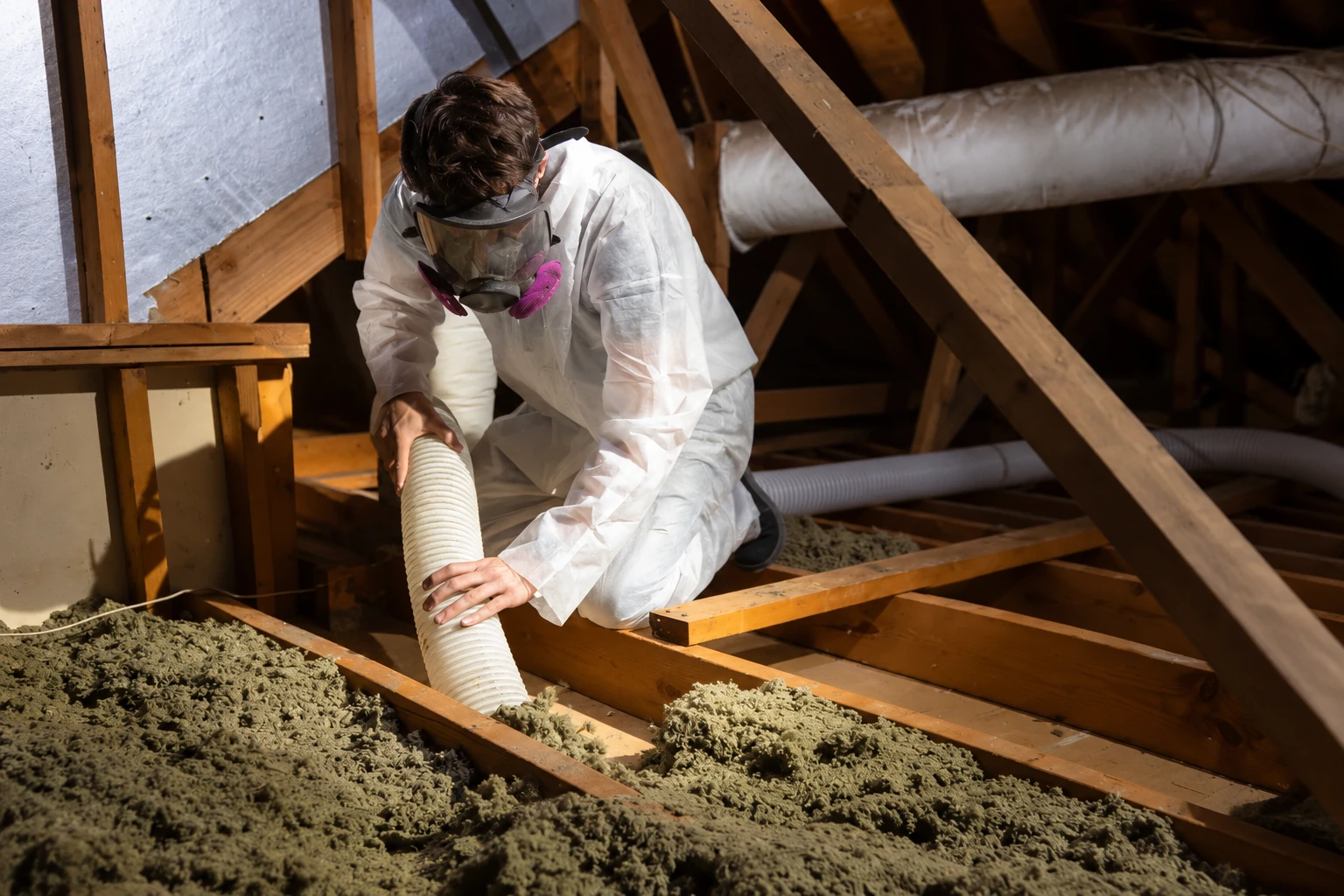
Insulation that got soaked, flattened or full of droppings has to come out before anything new goes in. We bag it, haul it off and clean up before the new material goes down.
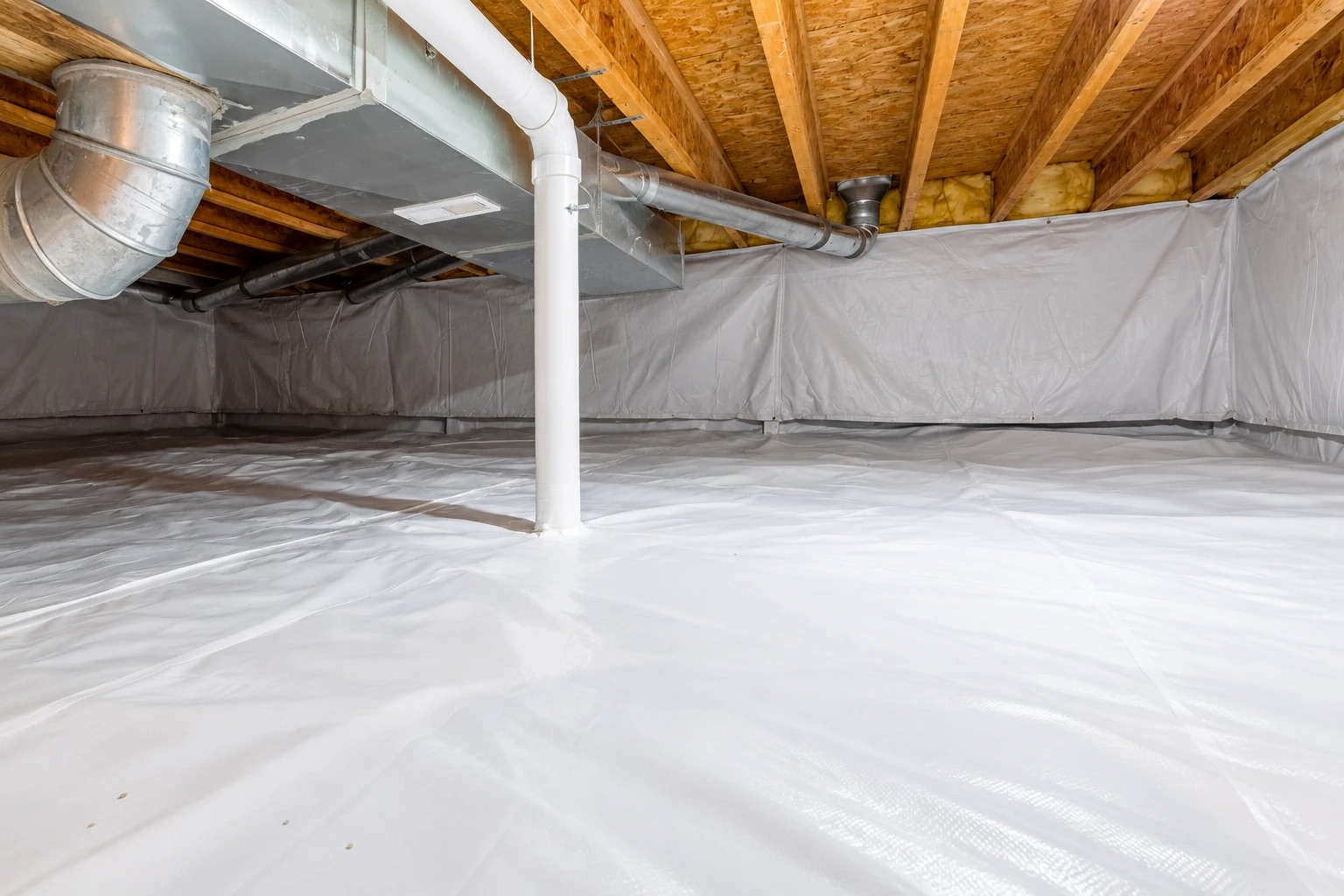
Cold floors usually trace back to an open crawl space underneath. We insulate between the floor joists and seal the spots where pipes and wires come up through the floor.
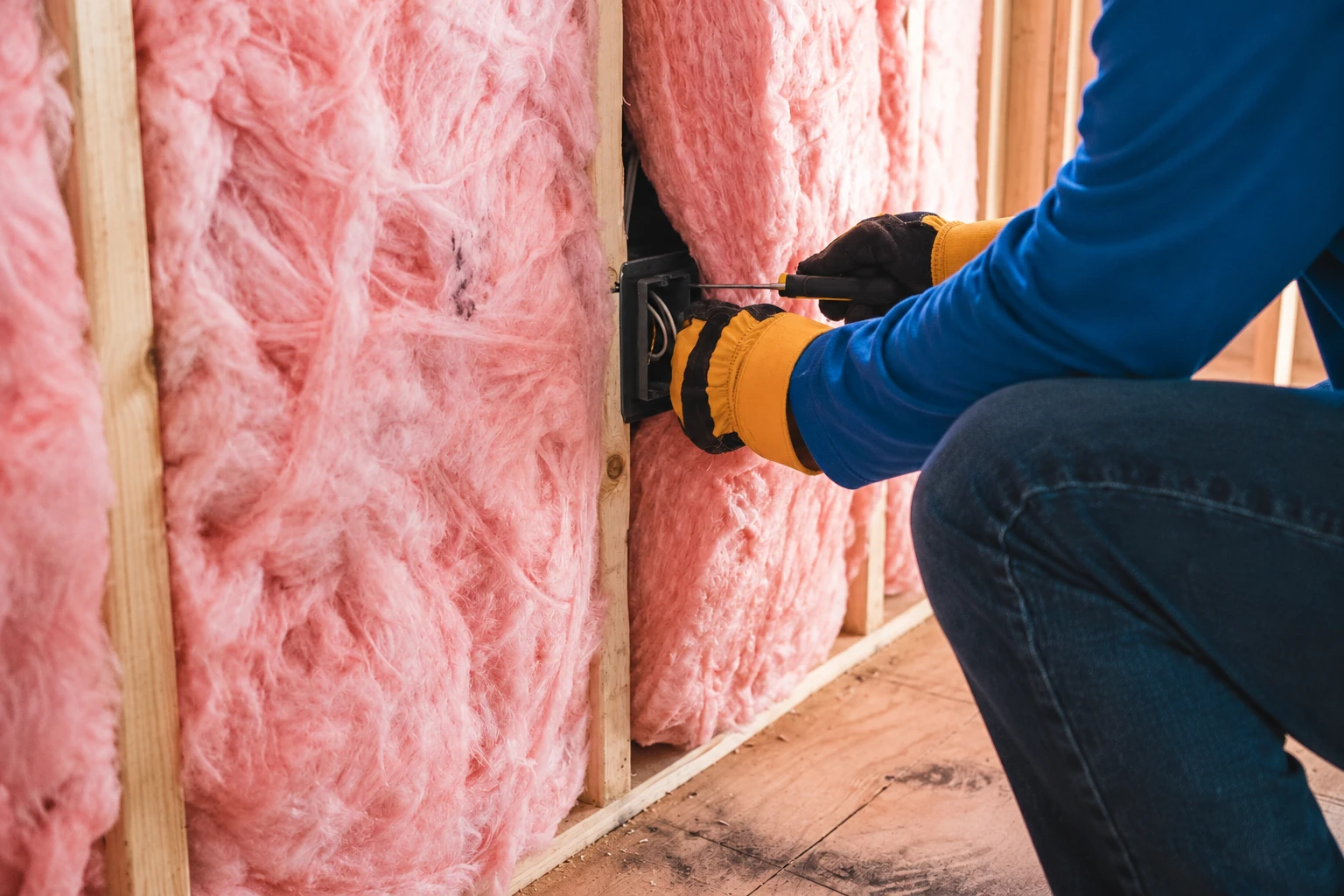
Older walls are often empty or only thinly filled. We usually fill them through small holes and patch the holes afterward, so you don't have to tear out drywall.
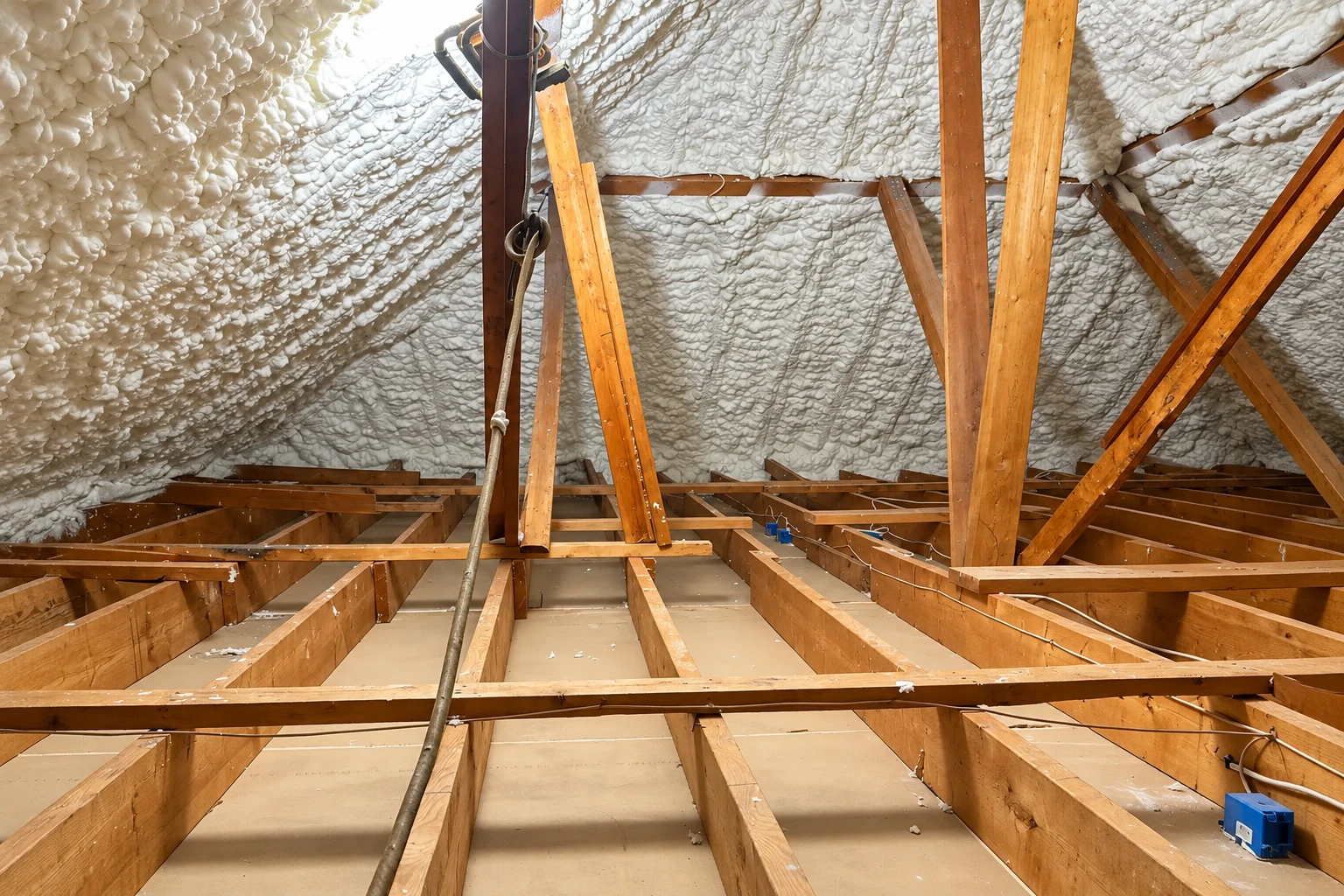
Air sealing is closing the gaps that let air slip in and out of the house, and it comes before any insulation. It's the step that makes the rest of the job work.
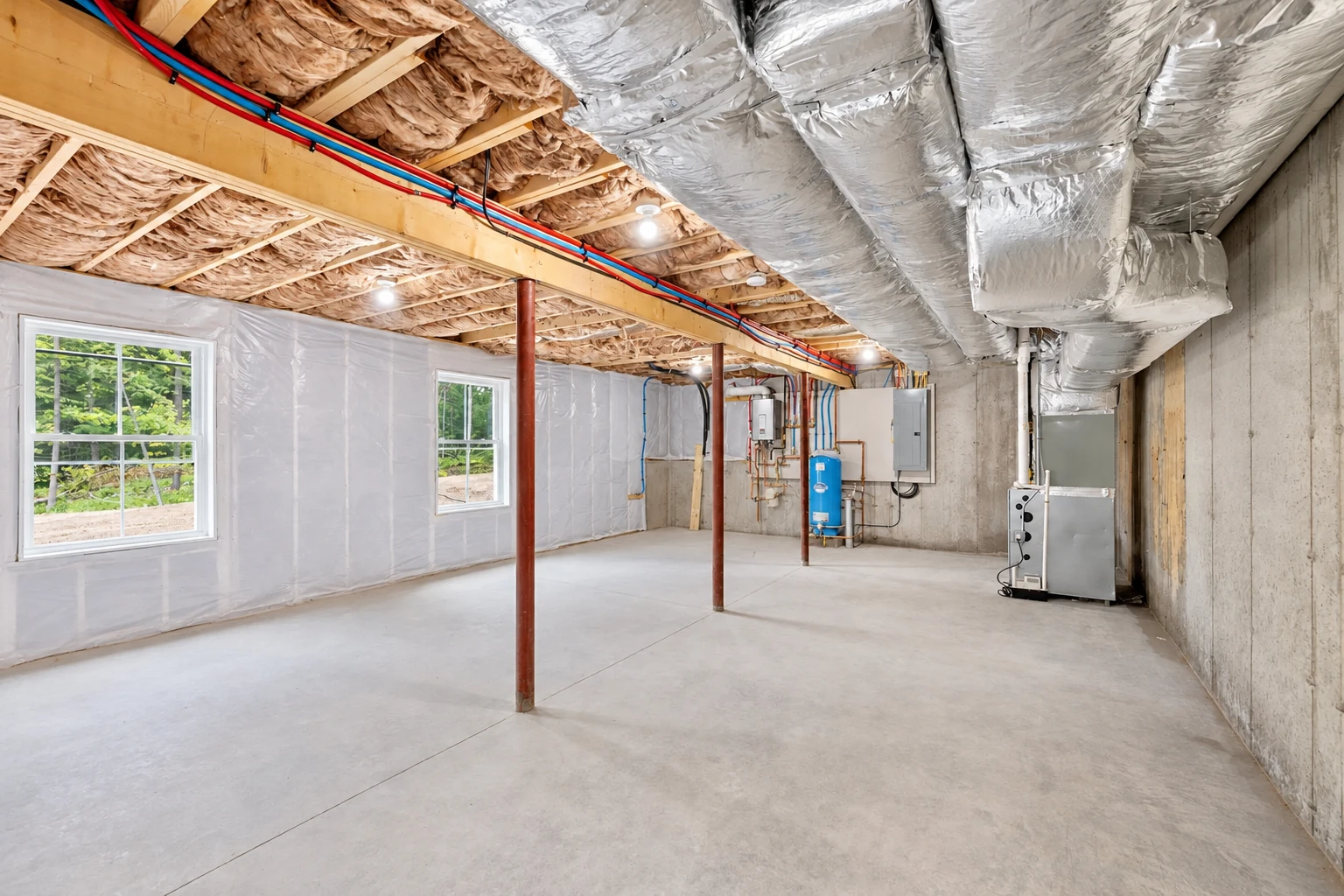
In a basement or below-grade room, we insulate the walls and the rim joist, the framing that sits right on top of the foundation, where a lot of outside air usually gets in.
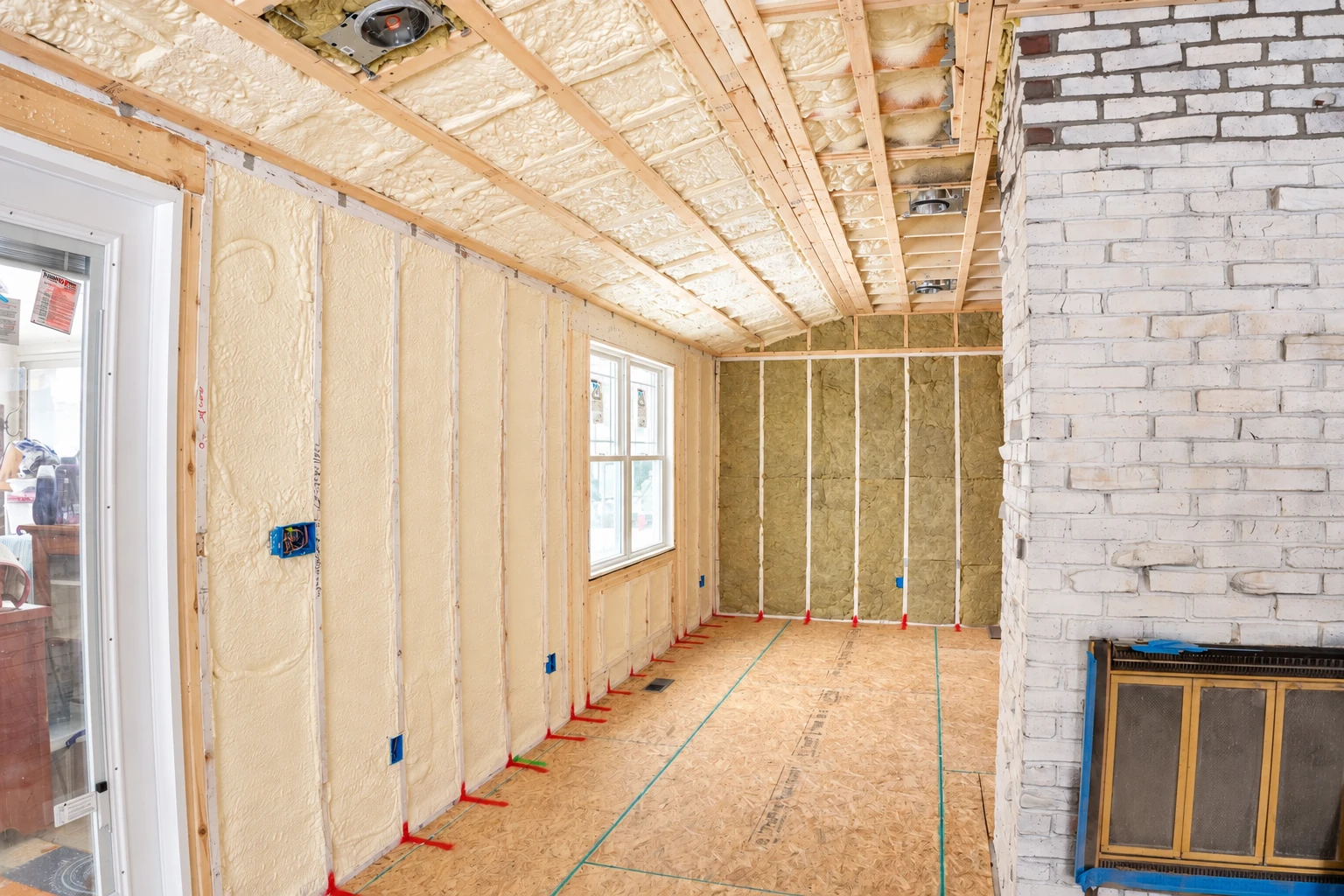
Closed-cell foam is a dense foam that also blocks moisture, so it suits crawl spaces, rim joists and spots that get damp. It's the firmer and pricier of the two foams.
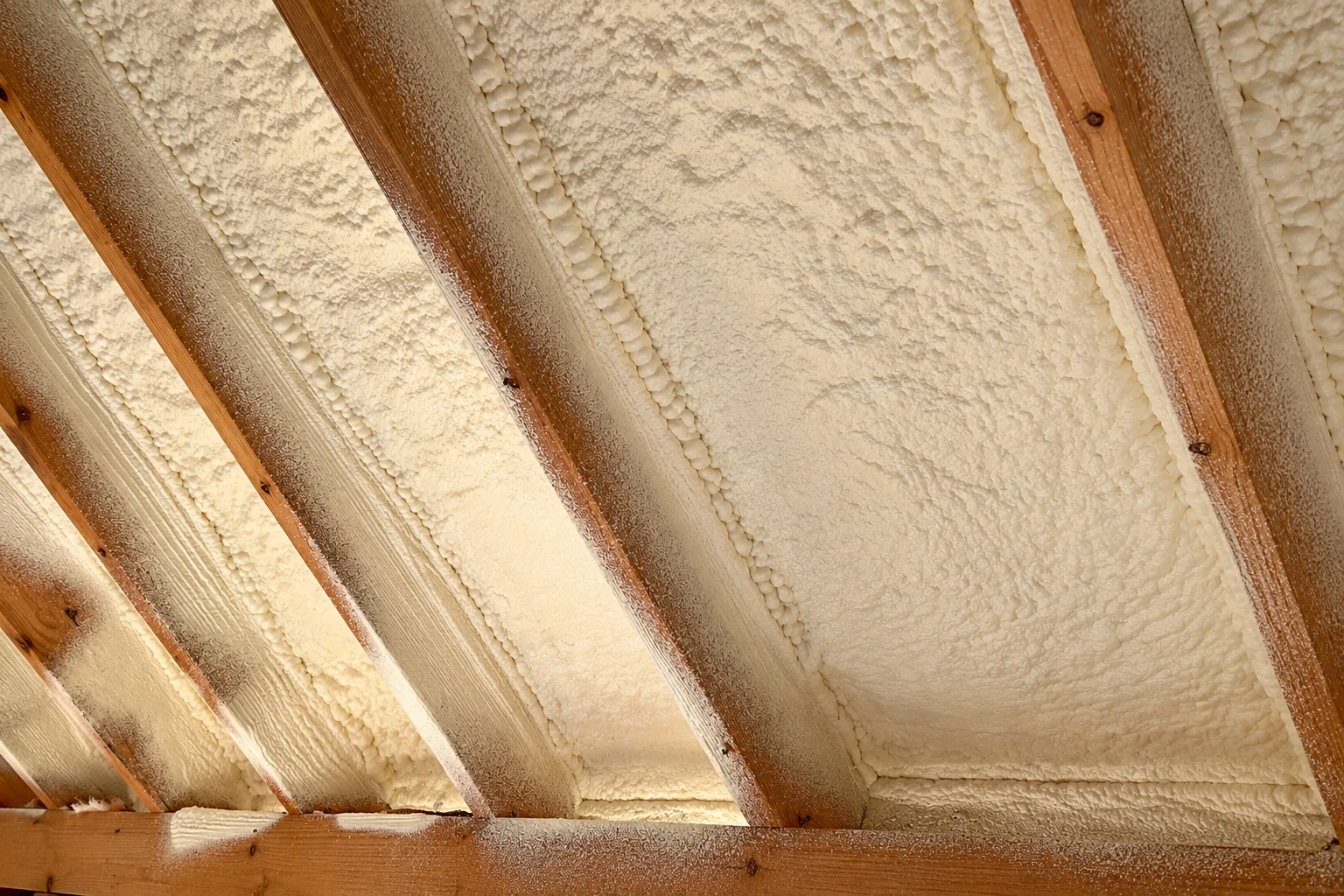
Open-cell foam is softer and lighter. It fills odd-shaped cavities and quiets sound between rooms, and it's usually the pick for a roof deck or interior walls where moisture isn't a concern.
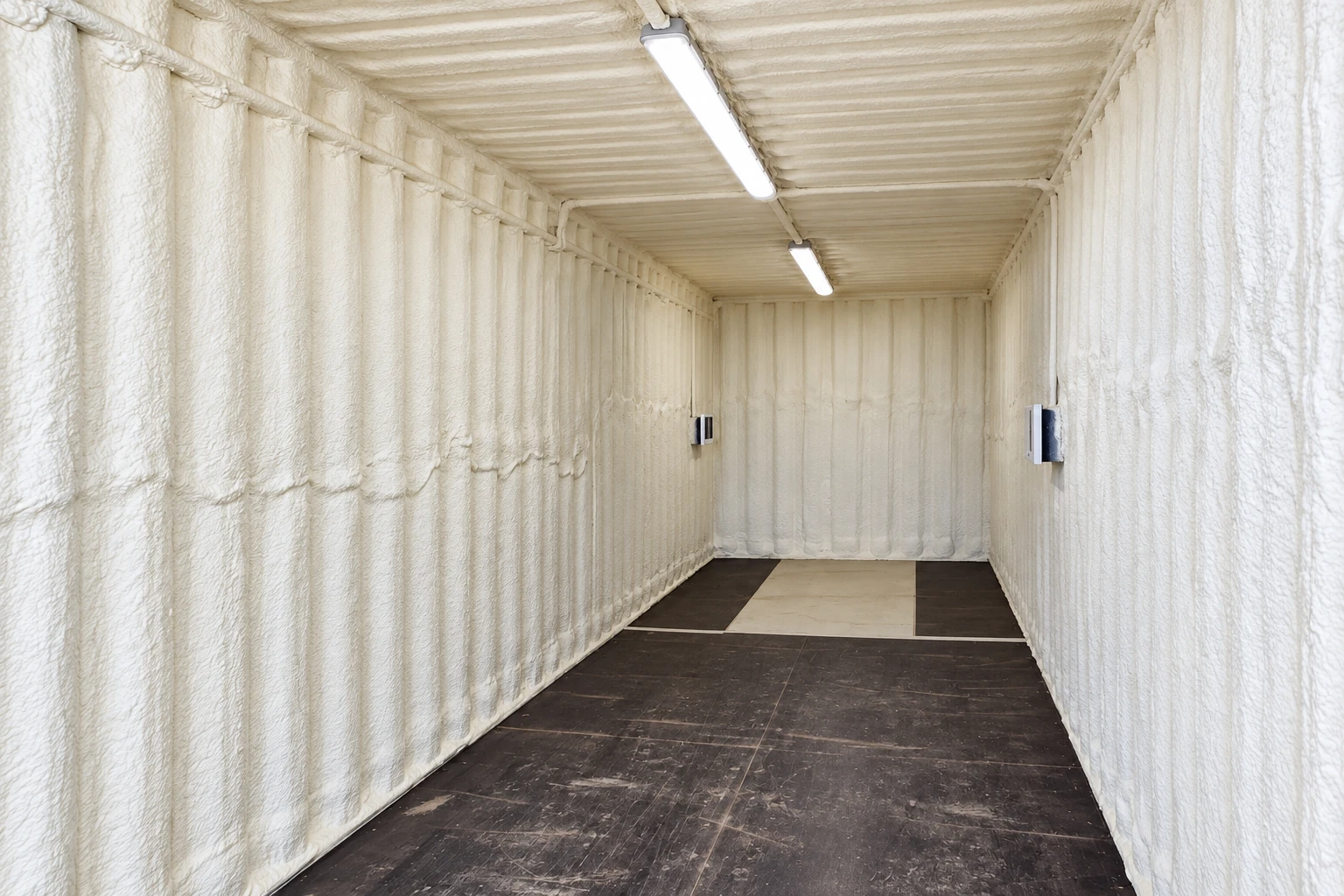
For property managers and small business owners, we insulate offices, shops and rental units, and we plan the work around your tenants or your hours so the space keeps running.
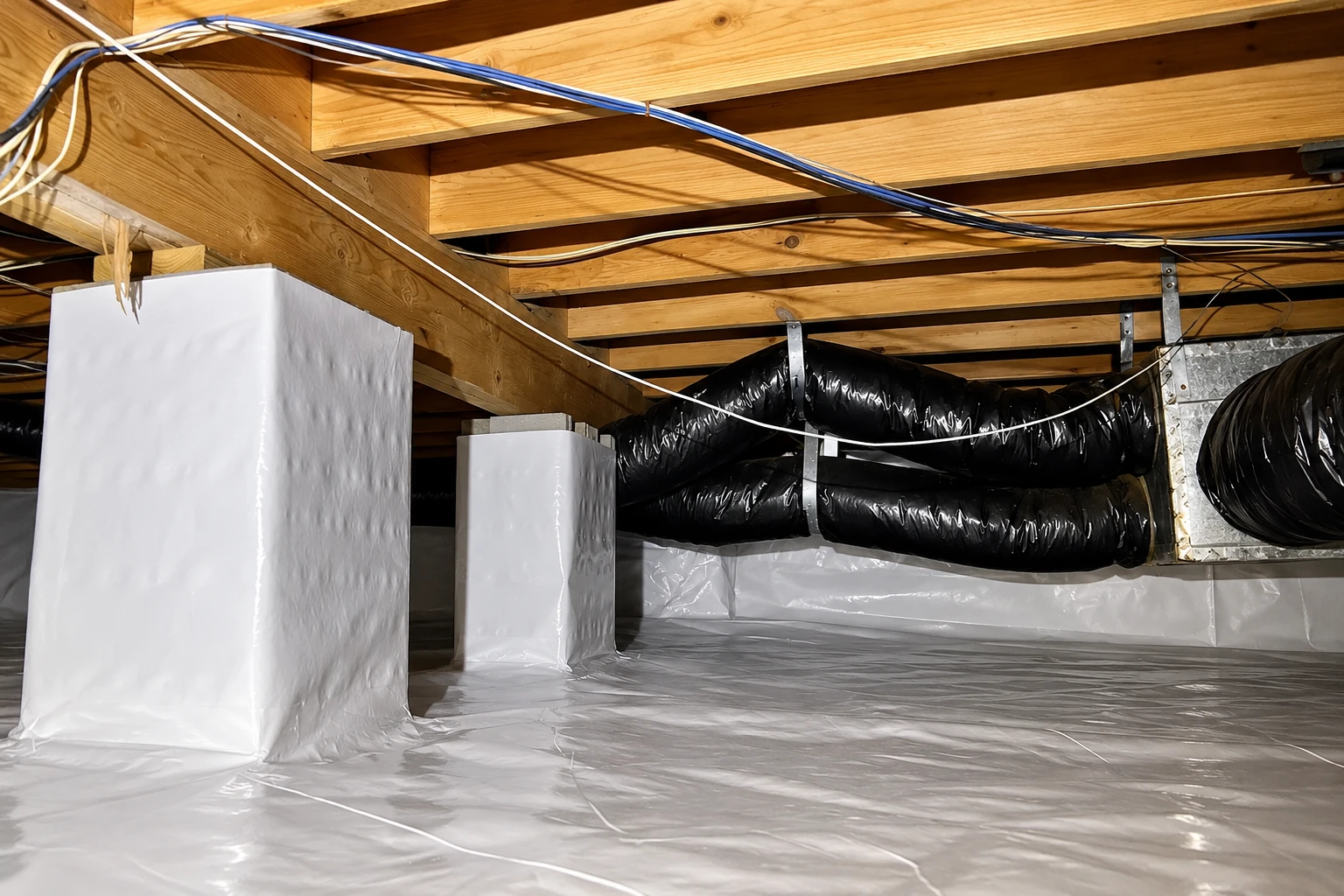
A heavy plastic liner over the dirt keeps ground moisture from rising into your floor framing and insulation. We overlap and tape the seams so the liner stays put.
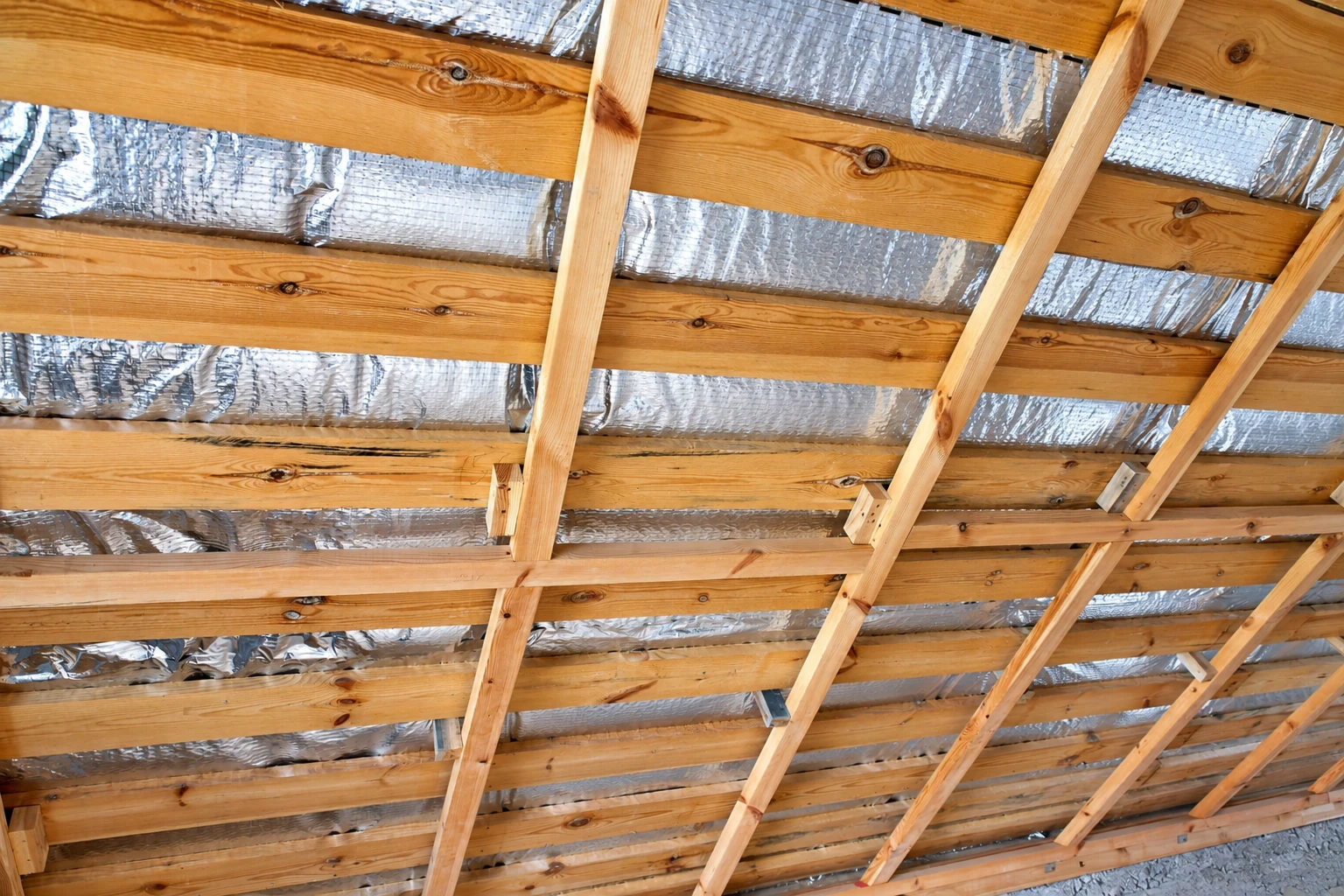
A vapor barrier slows moisture moving through walls, ceilings or floors so it doesn't collect in the framing. Which side it goes on depends on the space, and we work that out when we see your house.
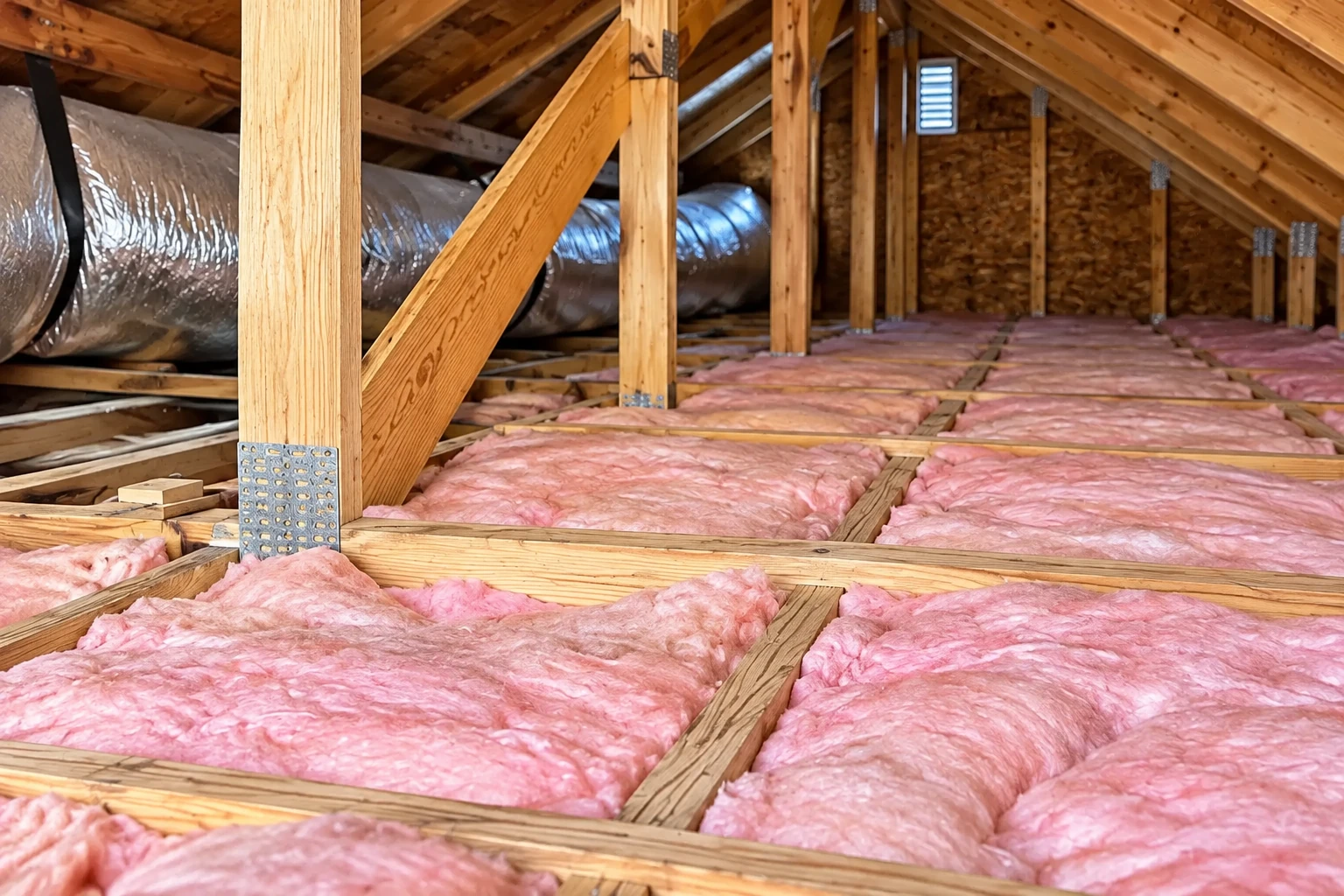
Before anything new goes down, we seal the attic floor around can lights, pipes, wires and the hatch, so the air from your rooms stops leaking up past the insulation.
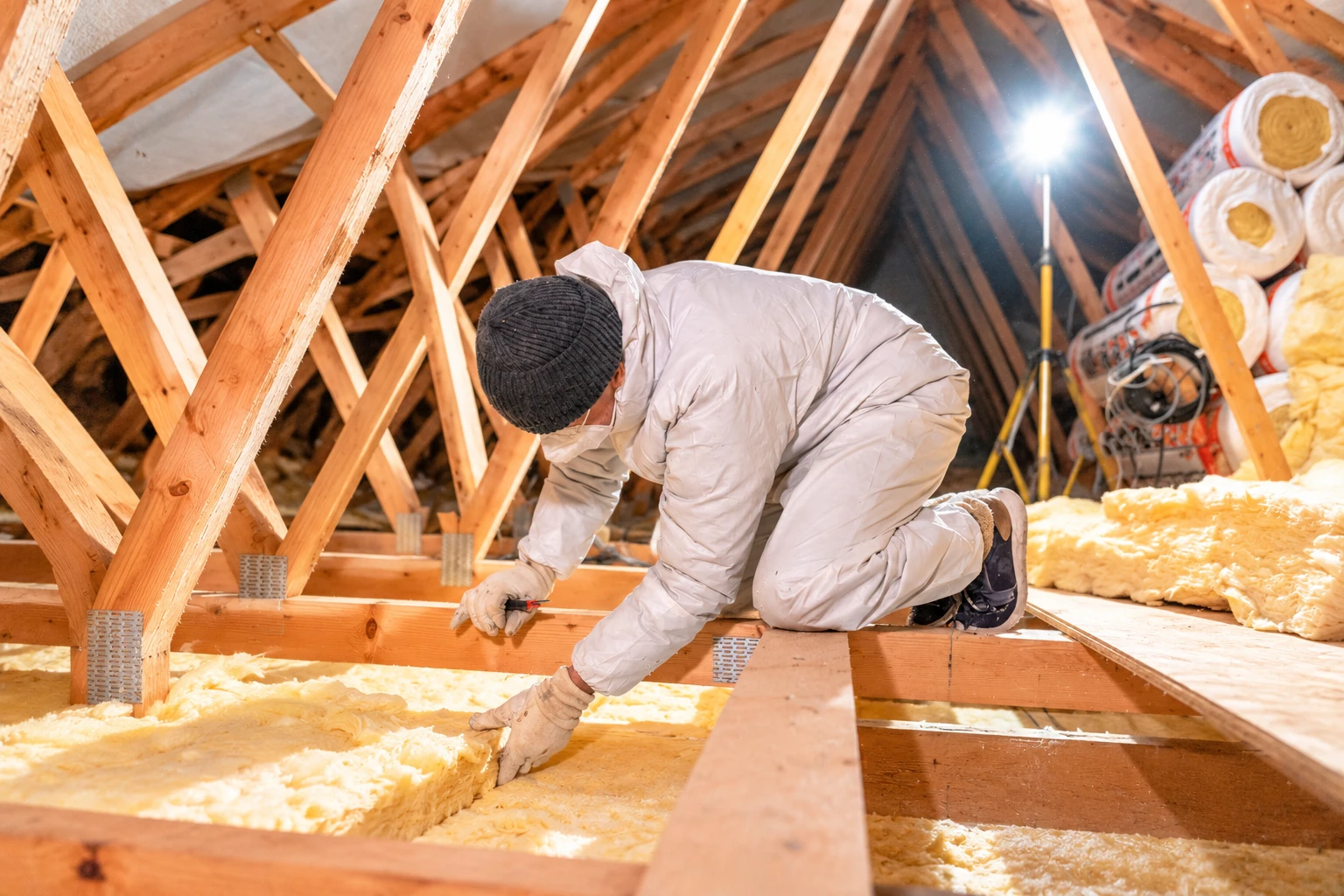
Retrofit insulation is insulation added to a house that's already built and lived in. We work through attics, crawl spaces and small wall openings, so you don't need a remodel to get it done.
I started as a helper on a small insulation crew, hauling bags up ladders and feeding hose into attics, and I opened this business in 2013. I still answer the phone, and I come out to look at your house and write the estimate myself. You can read more about us.
What I care about most is doing the steps in the right order, because new insulation laid over a leak just hides the leak. If your roof needs fixing or your old insulation should be tested first, I'll tell you before I take the job, and you'll know what you're paying for before we start.
We look the attic or crawl space over for wet spots, droppings, buried vents and leaks before we price anything, so the plan covers what's really up there and nothing gets buried.
We seal around can lights, pipes and the hatch first and insulate after, because insulation over an open gap is just fighting the air that leaks right past it.
We're licensed and fully insured. Before work starts we find out which building office covers your address, and when a job needs a permit, we handle the paperwork and line up inspections.
Here's how it goes from the time you call until our crew walks the finished job with you.
Call (562) 358-3003 or send a request, and we'll get back to you within one business day to set up a time for me to come out.
I go through the attic, crawl space or walls, check for anything that has to be dealt with first, and tell you right there what I'd do and why.
You get a written estimate. Once you say go, our crew lead runs the install while I check in on the work, and the lead walks the job with you when we're done.
These example photos show blown-in attic floors, sprayed foam and crawl space liners, so you can point to what you'd like to talk over.
Send the form here or through our contact page, and we'll reply within one business day to set up a visit. I'll look the job over and give you a written estimate, free and with no obligation.
Hot rooms upstairs, cold floors, a drafty room over the garage or a climbing power bill all help, because they tell me where to look first when I come out.
If you know how old the house is and how many inches are already in the attic, tell us. If you don't, that's fine, because I'll measure when I'm up there.
The estimate is free, in writing and comes with no obligation. Take your time with it, and call me with any questions before you decide anything.
Straight answers to what homeowners ask us most about permits, licensing, foam and what happens up in the attic.
LA County Public Works does, because South Whittier is unincorporated and County departments provide its services. The Public Works South Whittier District Office in Norwalk processes building permits, and the Service Locator on the County's permit site shows which office covers your address. We check with that office before work starts to see what your job needs.
For most insulation jobs, yes. The Contractors State License Board only lets unlicensed people do minor work under $1,000, up from $500, and only when the job needs no permit and they have no one working for them on it. We're licensed and fully insured, so that question doesn't come up with us.
Under state rules, a contractor can't ask for or take more than $1,000 or 10 percent of the contract price, whichever is less. Any other payments have to be listed in the contract and tied to work that's done or materials that have been delivered. The state licensing board says this applies to all home improvement projects.
For blown-in insulation you usually don't, though kids and pets should stay away from the work area and the attic hatch. Spray foam is different. It has a re-entry time, the wait before anyone can come back inside, set by the foam maker, and I'll tell you what it is before we schedule anything.
It depends on the attic, and I'll tell you what to expect once I've been up there. Size, how easy it is to get in and whether old insulation has to come out first make the biggest difference. Removal and sealing often take longer than putting down the new insulation.
For most attics, sealing the gaps and topping up with blown-in is the better buy. Foam costs more, but it seals air while it insulates, so it earns its price when your ductwork runs through the attic. I'll tell you which one fits after I've looked at yours.
If it's wet, matted or full of droppings, yes, because new insulation over it just covers up the problem. Clean, dry insulation that's only gotten thin can usually stay, and we add to it. If something up there should be tested before anyone touches it, I'll tell you before we quote.
Call (562) 358-3003 or send a request, and I'll come out, look over what's there and tell you plainly what it needs.