
Spray foam insulation
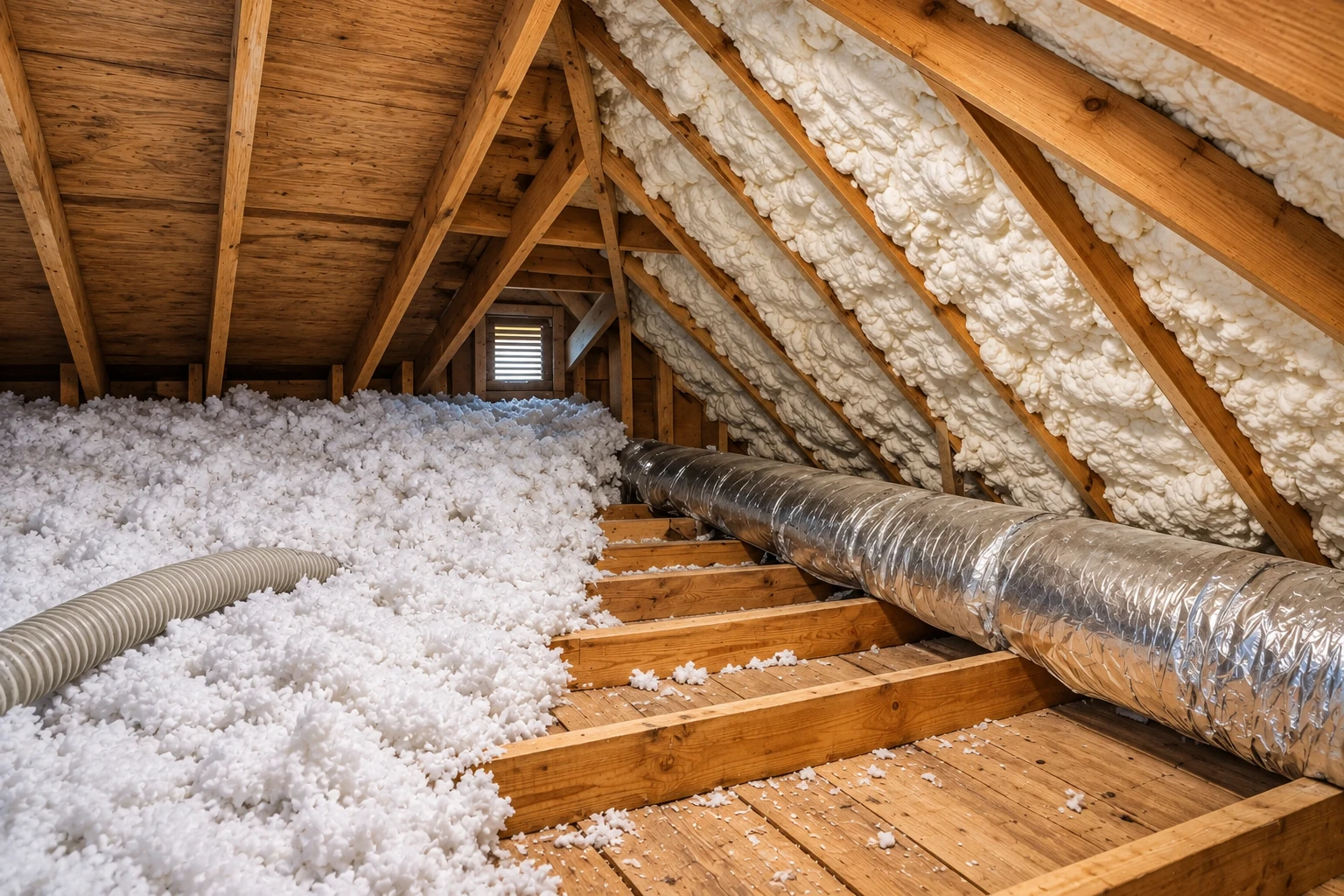
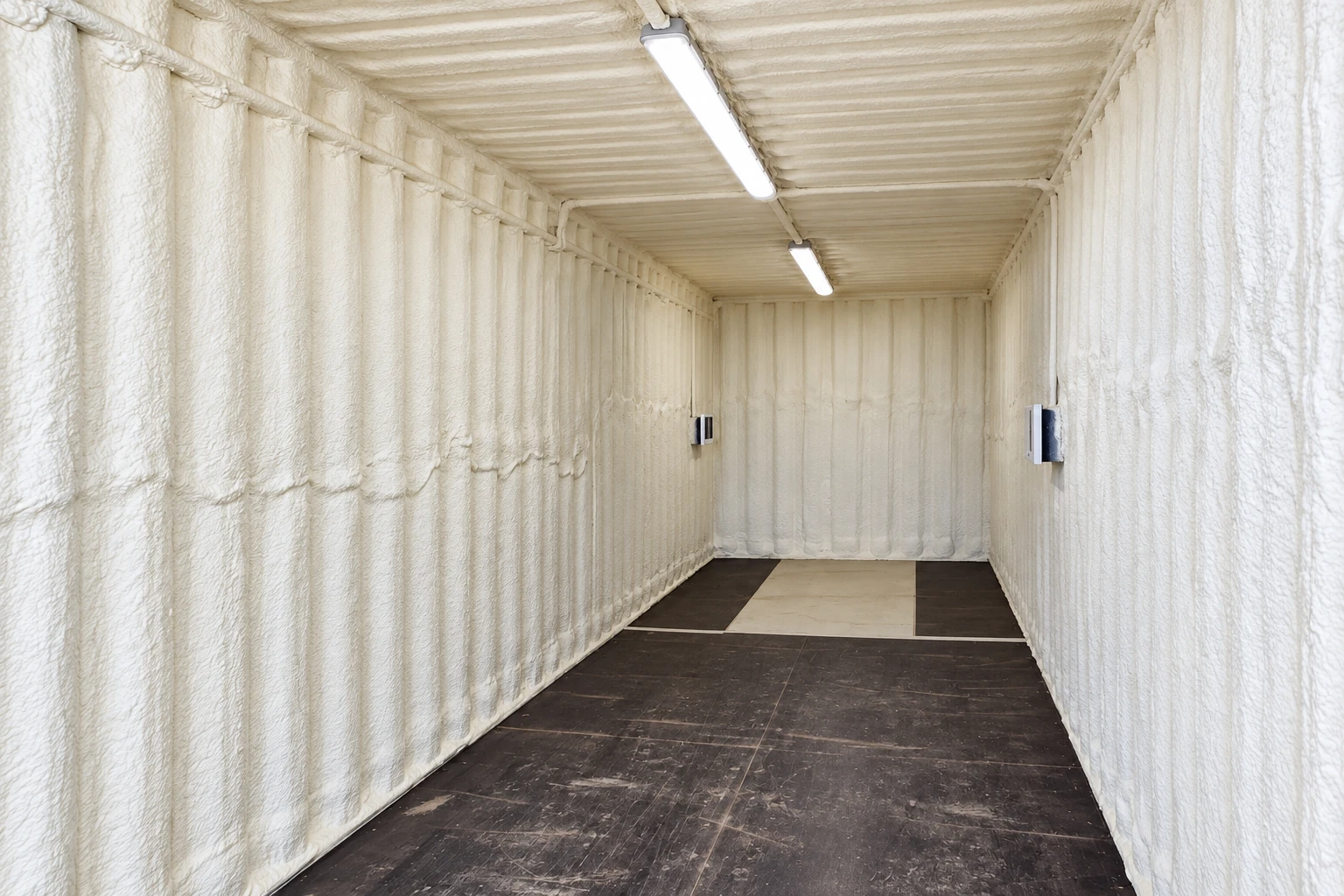
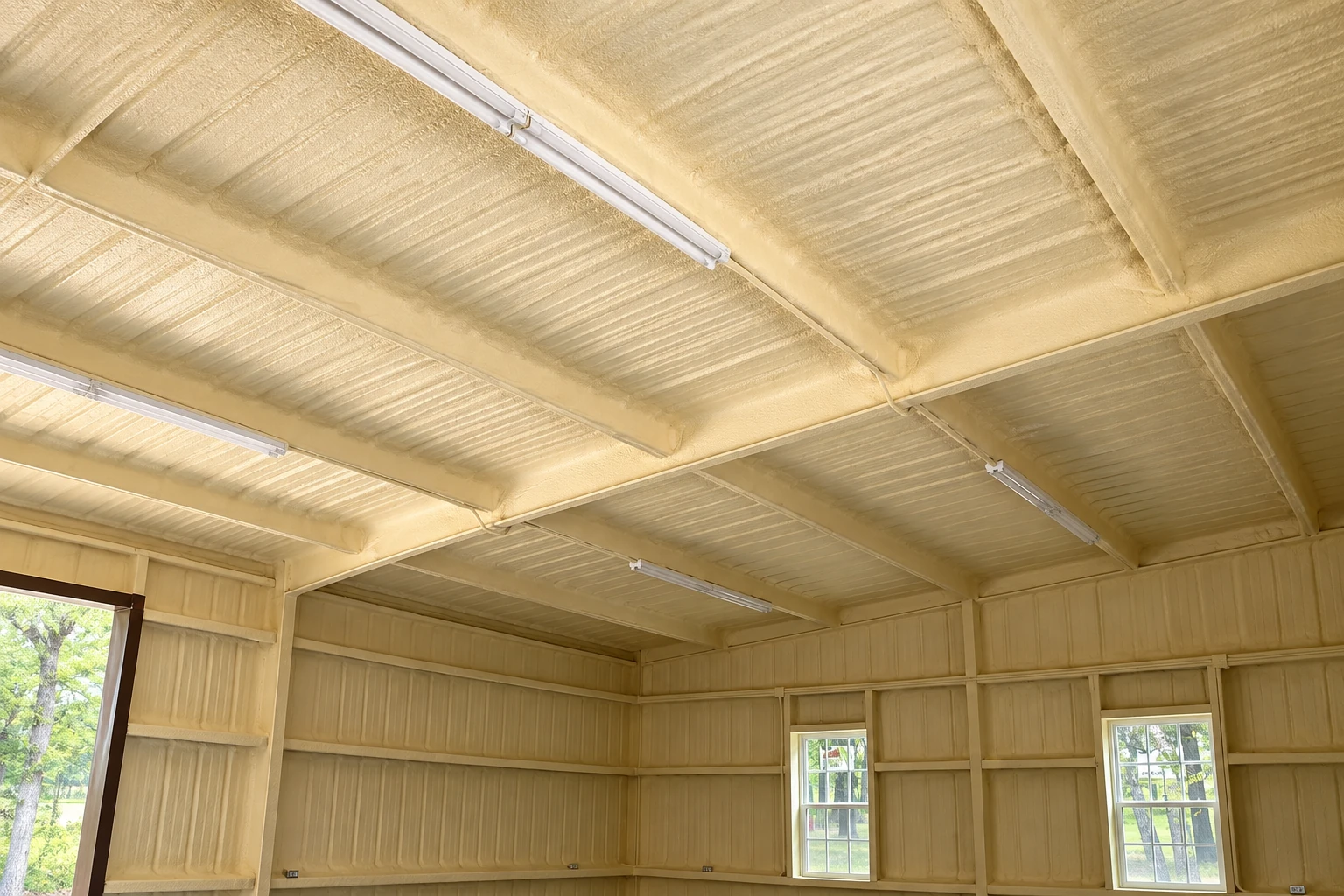
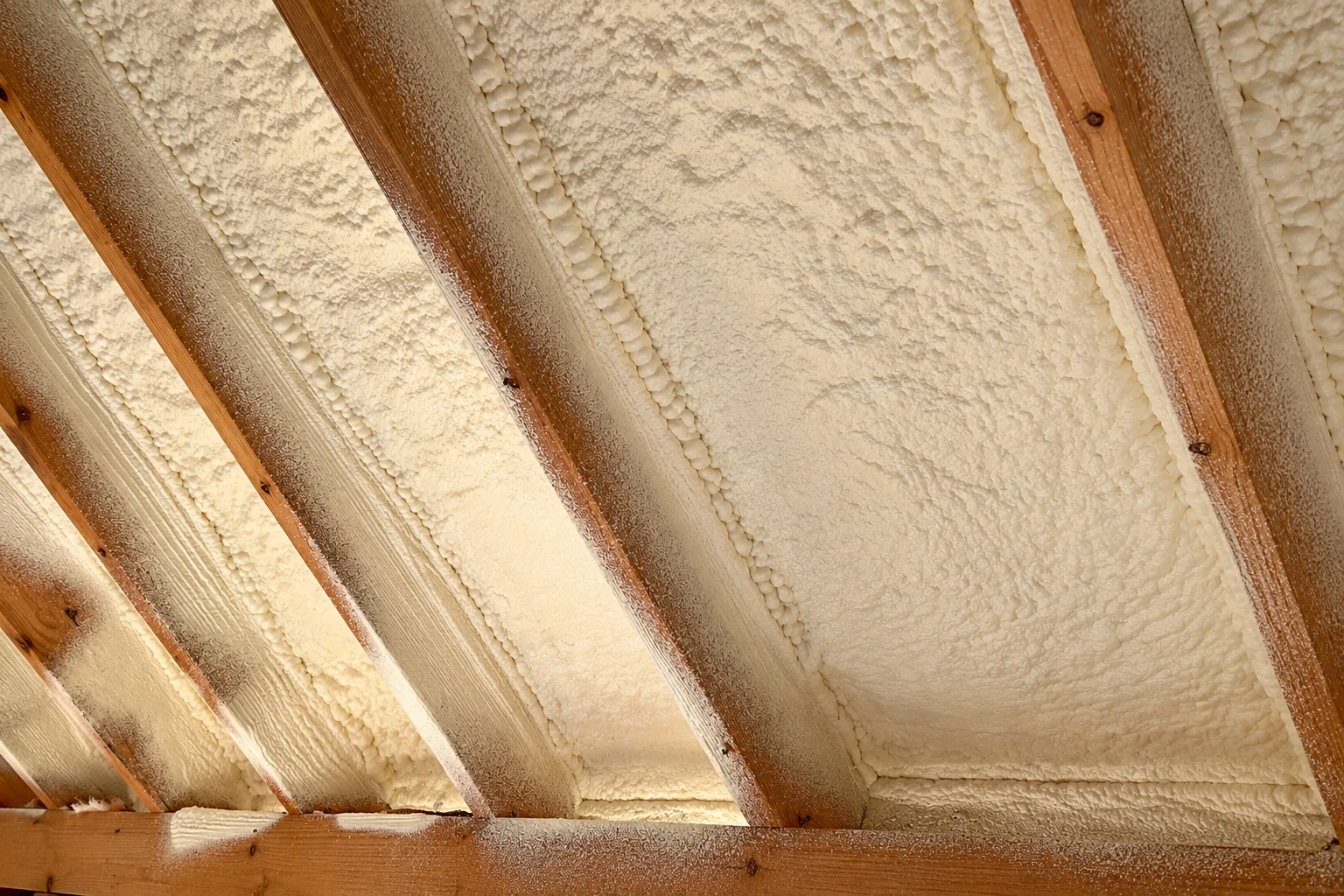
Foam seals air and insulates in one pass, so we suggest it where ductwork runs through the attic or the room over the garage won't hold temperature. It costs more, and we'll tell you when it's worth it.
South Whittier Insulation and Spray Foam insulates attics, walls and crawl spaces in Santa Fe Springs homes, rentals and small commercial buildings, from topping up thin attics to pulling out worn-out insulation and sealing drafts.
Santa Fe Springs is a working city. Industrial yards and commercial buildings take up a lot of it, and the homes sit in neighborhoods tucked between them, mostly single-story houses built decades ago. We're based nearby in South Whittier and do the same work in West Whittier-Los Nietos, Norwalk and Whittier, so these attics look familiar when I come up the hatch. The price moves with the size of the attic, how much old material has to come out and whether you want foam or loose fill. The schedule turns on removal and on any repair that has to happen before we start. I give you your own number in a free estimate at your house.
In these older houses we usually find thin, packed-down insulation, open gaps around old light fixtures and eave vents buried under it all, so the job here is as much sealing and clearing as it is adding.
We seal around can lights, pipes, wiring holes and the attic hatch first, because insulation laid over a draft keeps leaking air and you'd still feel it in the rooms below.
If what's up there is soaked or full of droppings, we pull it out before adding anything, since new material laid over it only hides the problem.
We bring the depth up evenly all the way to the edges and keep the eave vents clear, so the attic keeps breathing and moisture doesn't collect in the framing.
Foam seals air and insulates in one pass, so we suggest it where ductwork runs through the attic or the room over the garage won't hold temperature. It costs more, and we'll tell you when it's worth it.
Most of our calls start in the attic. We check how many inches are already up there, seal the gaps around lights, pipes and the hatch, then bring the depth up evenly to the edges.
Loose fill blown through a hose settles around joists and wiring without leaving holes, which suits the older single-story attics here. We keep it off the eave vents so the attic still breathes.
When the whole house feels drafty or the power bill keeps climbing, we look at the attic, walls and floors together and tell you which one to fix first.
Insulation that's been soaked or is full of droppings comes out before anything new goes in. We bag it, vacuum the attic clean and haul it away.
Cold floors over a crawl space usually mean the insulation under the house is thin or has fallen down. We put it back between the floor joists and hold it in place so it stays up.
Walls in older houses are often empty or close to it. We fill them through small holes and patch them afterward, so you don't have to tear the walls open.
Air sealing means closing the gaps that let air move through the house before any insulation goes in. We work around plumbing and wiring holes, light fixtures, the hatch and the tops of walls.
Basements are rare in houses around here, but where a home or building has one, we insulate the walls and rim joists so the space stops pulling heat from the rooms above.
Closed-cell foam is dense foam that also blocks moisture. We use it where space is tight or water is a worry, like a rim joist, a crawl space wall or a metal building.
Open-cell foam is softer and lighter, and it seals and quiets a roofline or an interior wall well. It's usually our pick for living space where moisture isn't the concern.
Santa Fe Springs has plenty of shops, offices and industrial buildings, and property managers and small business owners call us for roofs, walls and tenant spaces. We plan the work around your hours.
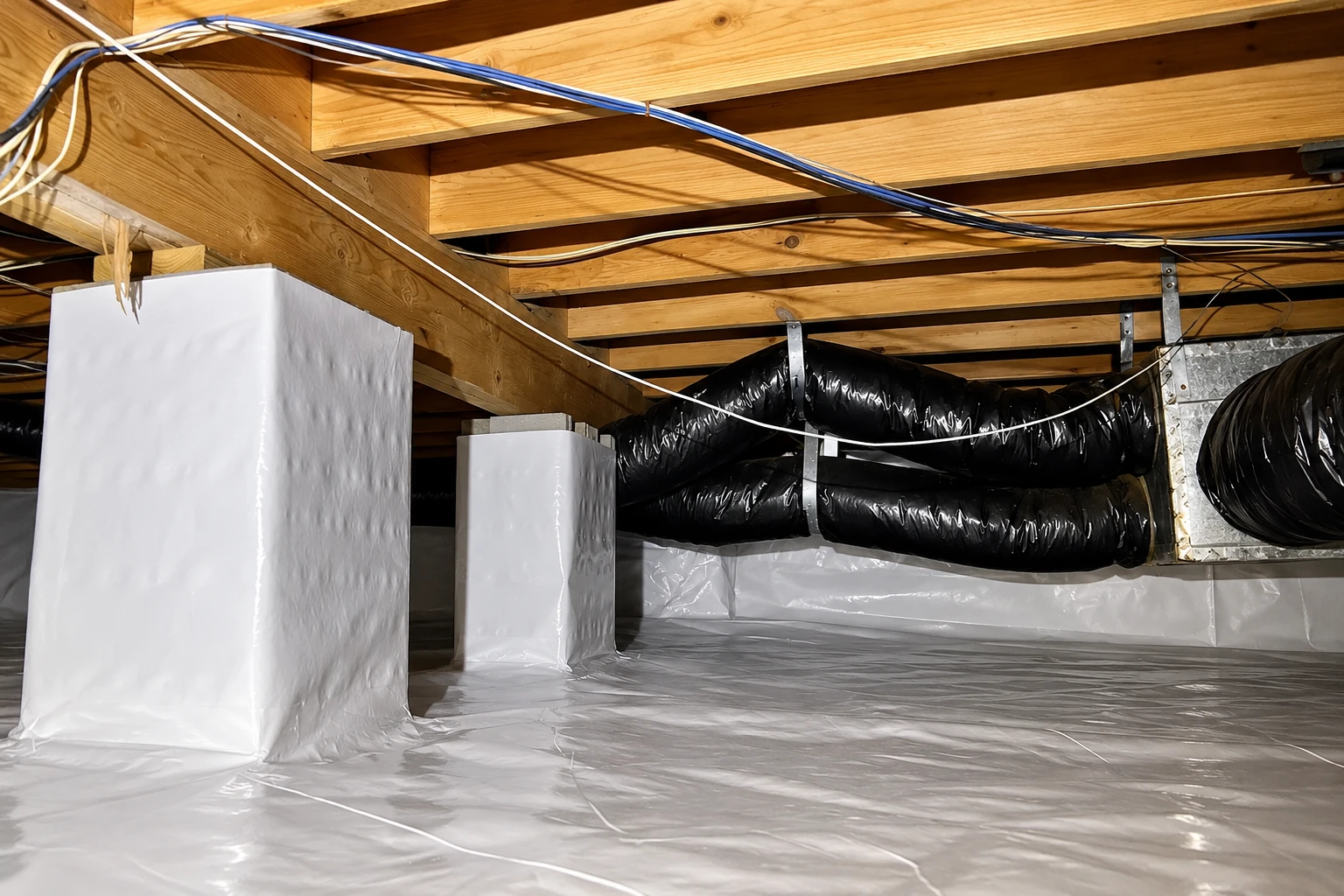
A heavy plastic sheet laid over the dirt under the house keeps ground moisture out of the framing and the insulation above it. We overlap the seams and run the sheet up the walls.
A vapor barrier keeps moisture out of insulation in walls, attics and crawl spaces. Which side it goes on depends on the wall, so we check before we hang it.
Before we add anything to an attic, we seal the holes around light fixtures, pipes, flues and the hatch, so the new insulation isn't fighting a draft all day.
Older houses and buildings that were built thin can take more insulation without being torn apart. We add to what's there, starting where the house leaks the most.
Send the form and we'll get back to you within one business day to set a time. I come out, look at the job and write the estimate myself, free and with no obligation.
I go up into the attic, check how many inches are there and what shape they're in, and write the estimate on site, so nothing gets lost between visits.
The estimate spells out what we'll seal, what comes out and what goes in, so you know exactly what you're paying for before the crew shows up.
Our crew lead runs the job, and I check in on the work, so the person who looked at your attic stays involved. We're licensed and fully insured.
Here's what people in Santa Fe Springs ask us most about permits, price and staying home while we work.
It might, and the city's guidance doesn't say either way for insulation, since its list of work that needs no permit names things like painting and low fences. You can ask the Building and Safety Division at (562) 868-0511 ext.7560. We check before we start, and when a permit is needed, we do the paperwork and line up the inspections.
Yes. The city's permit guide says a homeowner can get one, and so can any state-licensed contractor. If you hire someone, you may have to carry workers' compensation insurance, and if you hire no one you sign an Owner-Builder Statement, because the permit needs one or the other. When your job needs a permit, we handle it.
The cost mostly comes down to what's already in your attic, how much of it has to come out and how many gaps need sealing first. Foam costs more and seals air while it insulates. For most attics, sealing the gaps and topping up with blown-in loose fill is the better buy, unless your ductwork runs up there.
Usually not for blown-in insulation or air sealing, because the crew works up in the attic and you can stay home. Spray foam is different. Everyone, kids and pets included, stays out until the foam maker's re-entry time, the wait before it's safe to come back, has passed. I'll go over that window at the estimate.
These cities have their own page on our site, and we take jobs in others around South Whittier too. If yours isn't listed, call and ask.
Call (562) 358-3003 or send the form, and if your roof needs fixing or old insulation needs testing first, I'll say so up front.