
Bare dirt under the house
If you open the crawl space hatch and see raw dirt, that ground has never been covered, and it's the most common reason people call us about a vapor barrier.
Bare dirt or a torn old cover under your house? We clear it out, cover the ground and run plastic up the walls and piers.
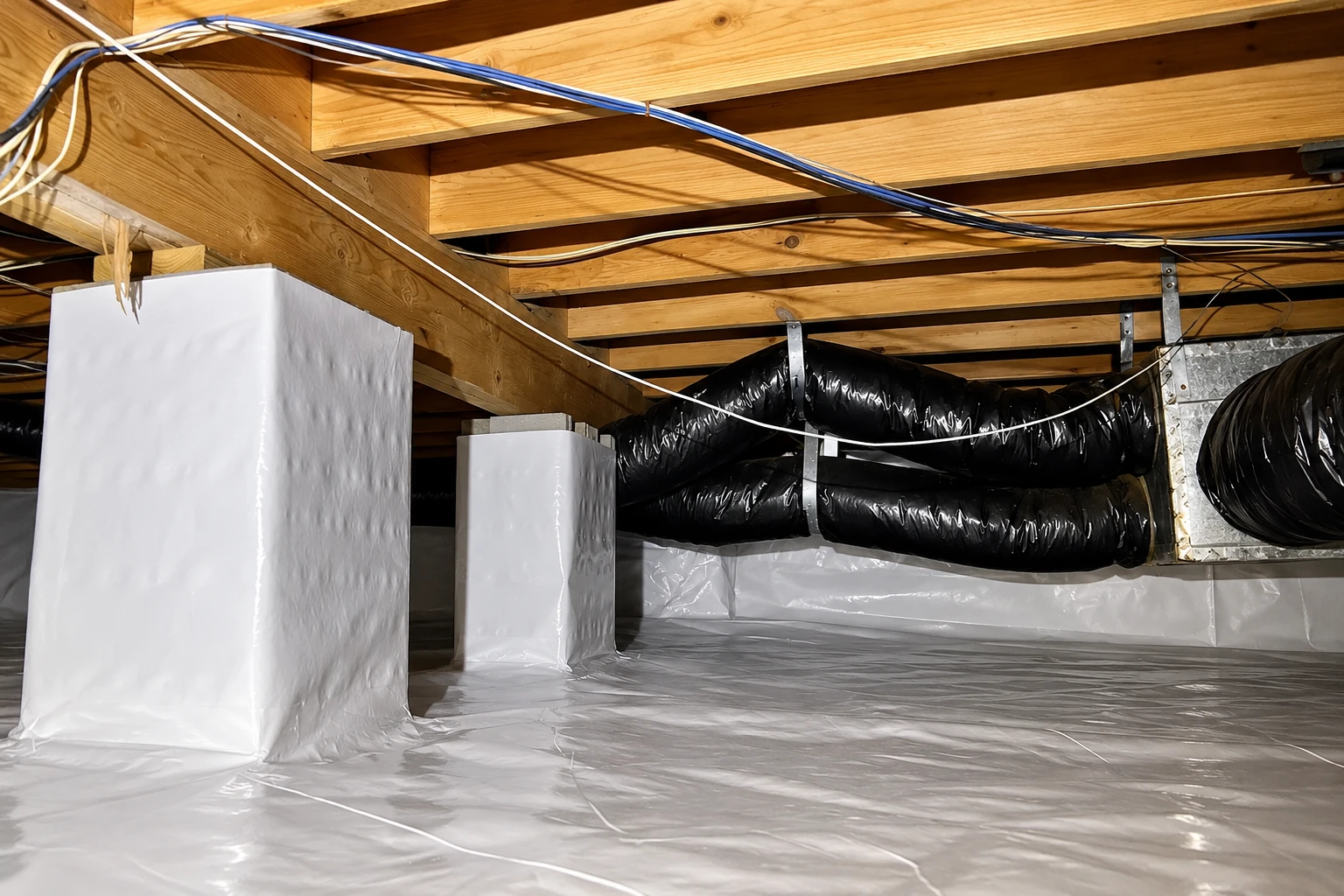
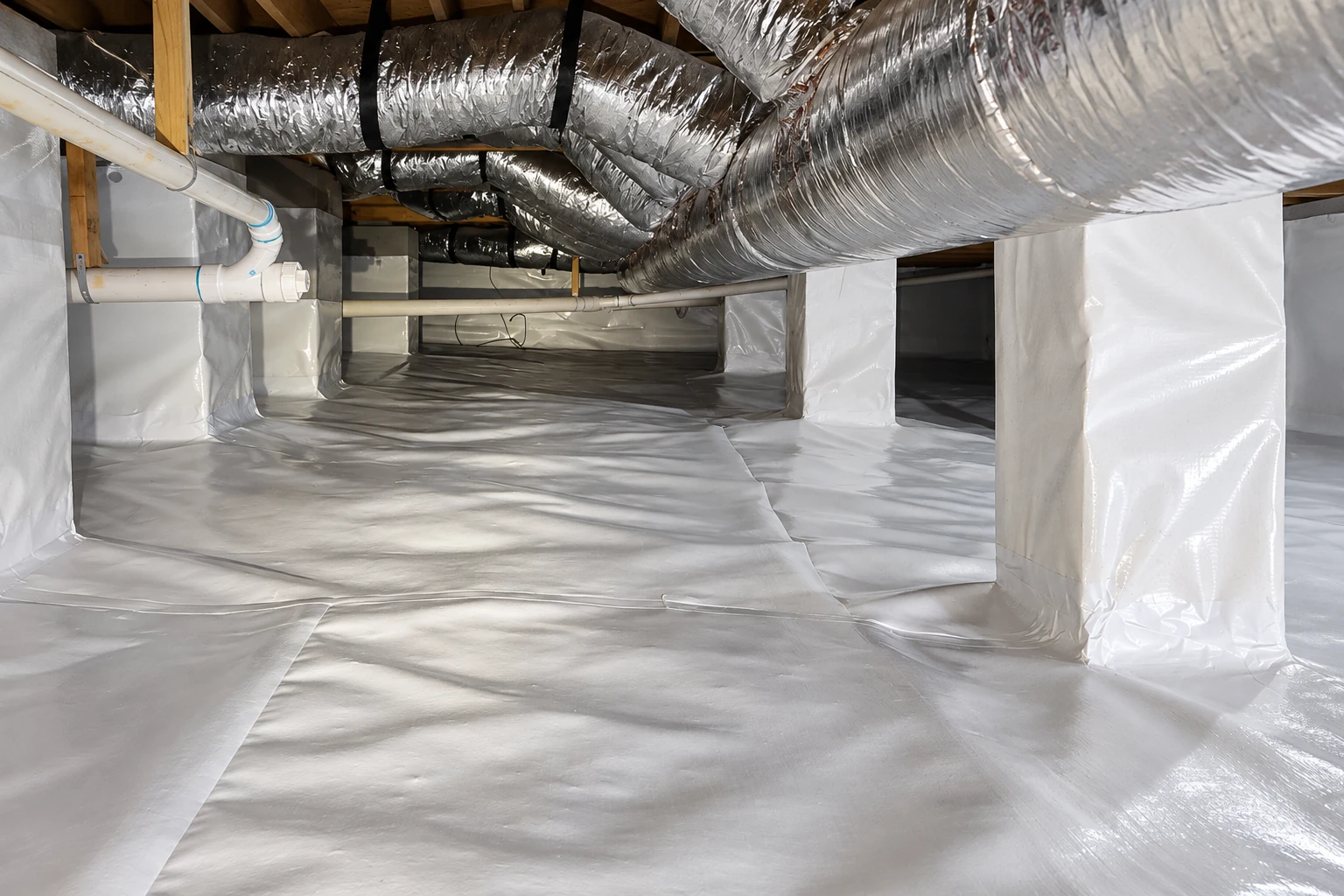
A crawl space vapor barrier in South Whittier is a heavy plastic sheet laid over the dirt under your house and run up the walls and piers, so the ground beneath your floors is covered instead of left open to the space.
Most people call us because the dirt down there has never been covered, or an old sheet is torn, bunched up or buried under stored boxes. The price moves with how much ground there is, how much has to be hauled out first, how tight the space is to crawl through and whether old plastic has to come up, and the schedule mostly turns on clearing out storage and getting any water from the yard handled first. I come out, look at the crawl space and write the estimate myself, so you get a figure for your own house before anything starts. Before work begins we also check which building office covers your address, and when a job needs a permit, we handle the paperwork and line up the inspections.
I come out to look at the crawl space and write the estimate, and our crew lead runs the install while I check in, so the person who saw your house stays on the job.
The estimate spells out the ground we'll cover, what we haul out and whether old plastic comes up, so you know exactly what you're paying for before we start.
I learned this work hauling bags and feeding hose on a small crew before opening the business in 2013. We're licensed and fully insured, and our promise is short. Satisfaction guaranteed.
First we clear out the stored things and junk, because plastic can't cover ground that's buried under boxes and old lumber. If I see water getting in from the yard, I'll point it out before anything goes down, since a cover over a wet floor just hides where the water is coming from. Then we lay the plastic over as much ground as we can reach, overlap the seams and run it up the foundation walls and around the piers, the short posts that hold up your floor, so the edges don't leave strips of bare dirt. If your crawl space has vents, we leave them as they are, because closing them off is a separate conversation with its own plan.
A crawl space cover is one part of keeping moisture where it belongs. If you need a barrier somewhere else in the house, our vapor barrier installation work covers that. And because warm air leaking out the top of a house tends to pull air up from below, attic air sealing, which closes the gaps around lights, pipes and the hatch, is often the next job worth a look.
If you open the crawl space hatch and see raw dirt, that ground has never been covered, and it's the most common reason people call us about a vapor barrier.
Older plastic gets torn, bunched up or pushed aside by plumbers and cable crews. Sometimes patching it works and sometimes a fresh sheet makes more sense, and I'll tell you which on site.
If you're planning crawl space insulation under your floors, the ground cover usually goes in first, so the crew works on clean plastic and the insulation isn't sitting over open dirt.
If water was running under the house from the yard, the plastic goes down once that's fixed, so the new cover sits on ground that isn't getting soaked again.
Send the form and we'll get back to you within one business day to set a time. I come out, look at the crawl space and write the estimate myself, free and with no obligation.
A rough square footage of the house or crawl space helps us plan the visit, since how much ground there is drives most of the material and labor on this job.
Tell us if you see vent screens around the foundation, because a vented crawl space still gets the cover, and I'll want to talk through what to do with those vents.
If gas equipment sits under the house, let us know, because it matters for any talk about vents, and we can lay extra plastic or a runner along the path to it.
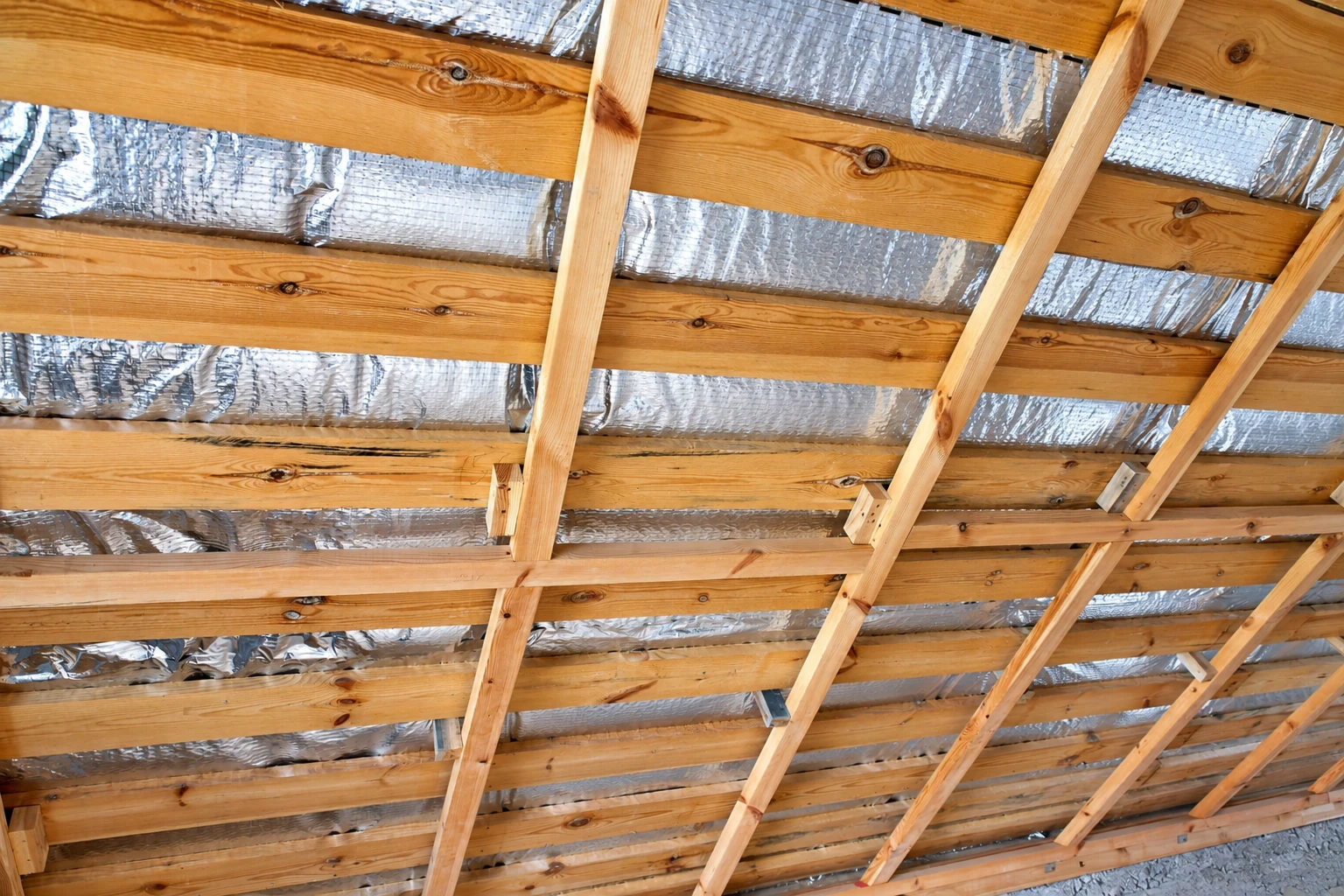
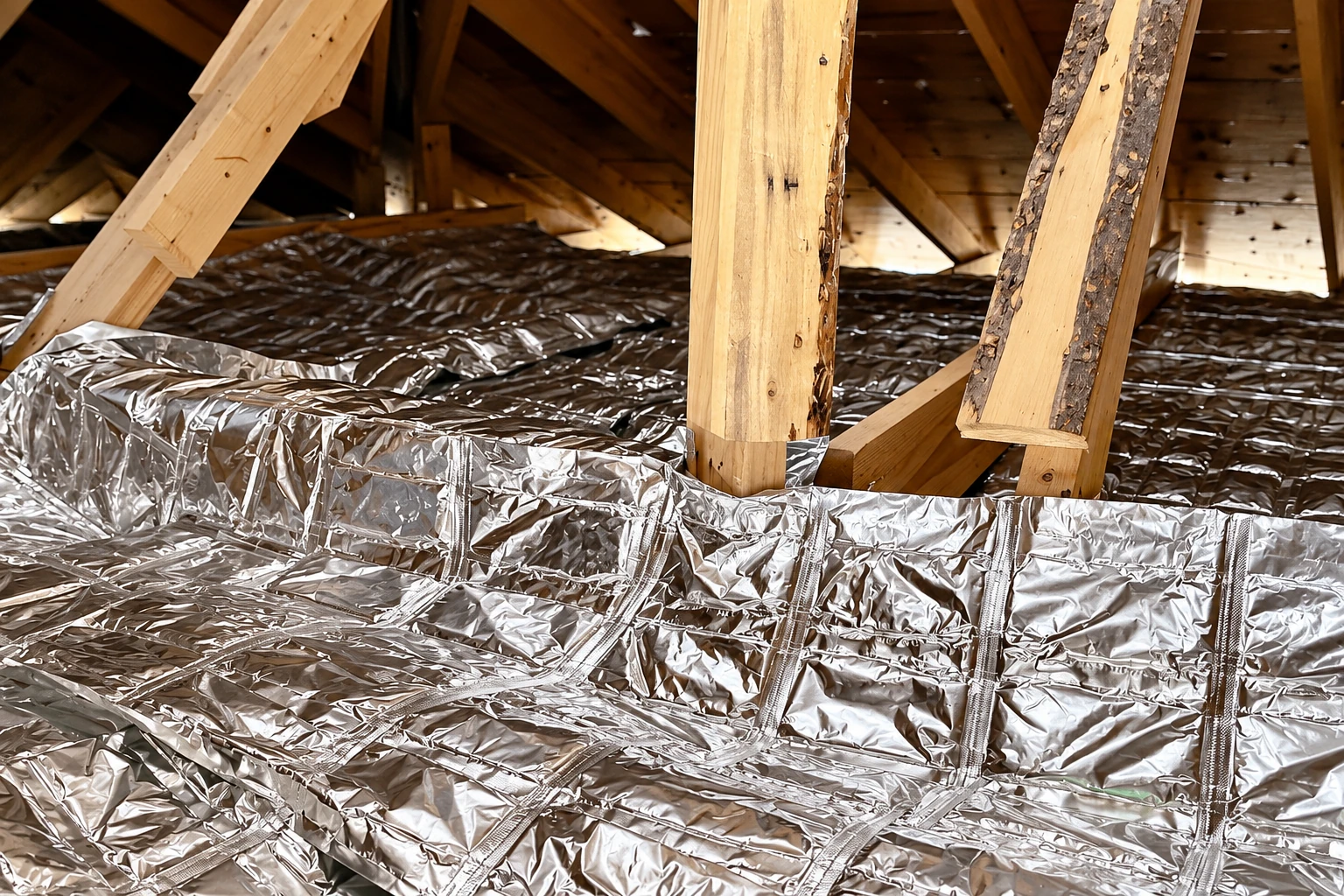
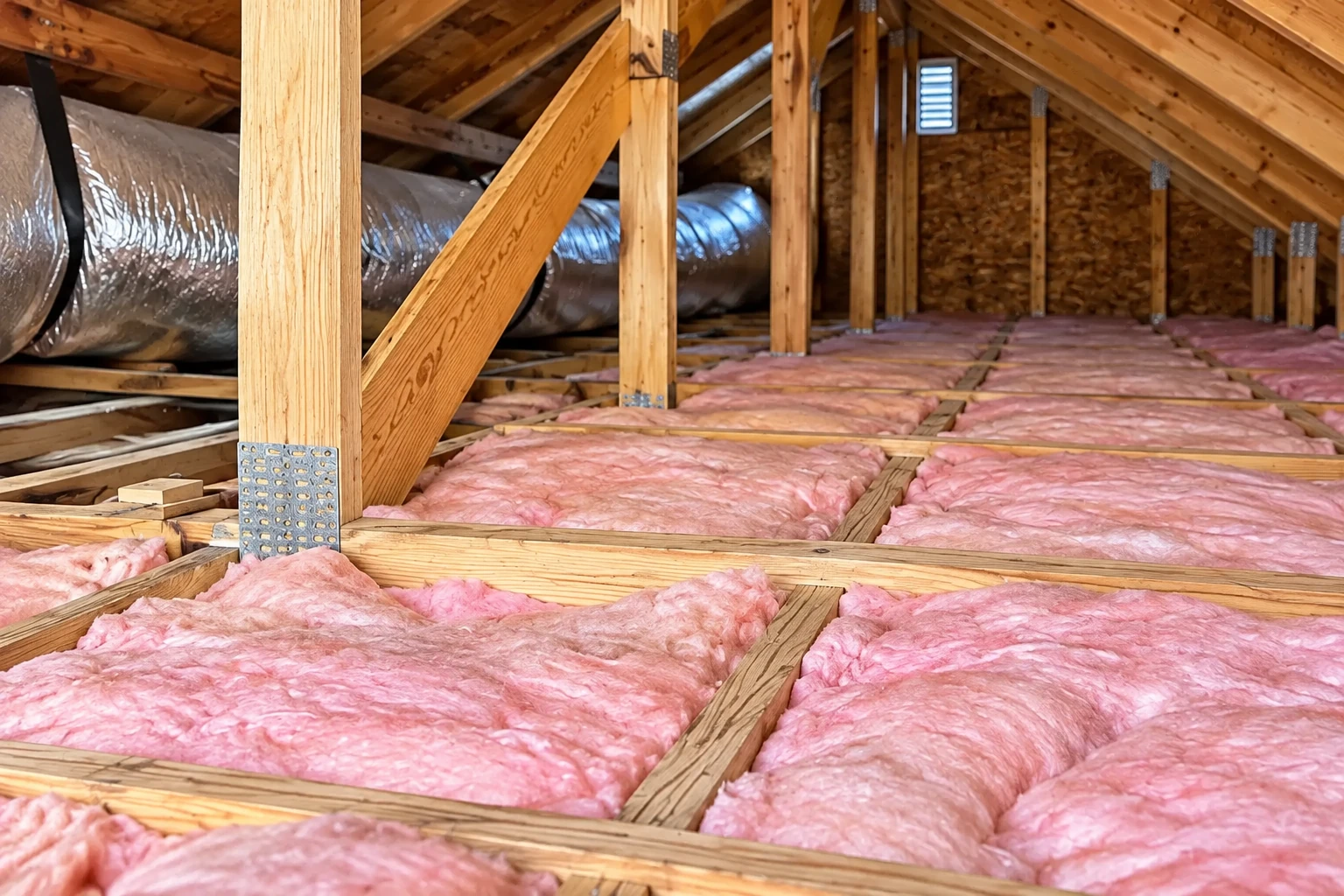
These photos show plastic ground covers, seams, wall runs and pier wraps you can point to when we talk about your crawl space.
Here are the questions South Whittier homeowners ask before they put plastic down under the house, answered the way I'd answer them on site.
Yes. A plastic ground cover should go in whether your crawl space is vented or sealed, so having vents doesn't take the cover off the list. Whether to close those vents is a separate choice, and you don't have to settle it to get the ground covered.
In a vented crawl space, most of the moisture usually comes from water getting in from outside, through yard grading that slopes toward the house, missing drainage or the way the yard gets watered. That's why the grading, drainage and sprinklers around your home are worth a look at the same time the new cover goes in.
A basic vapor barrier, just plastic over the dirt floor, usually runs about $0.50 to $1.50 per square foot across the US. That's a national going rate for the simplest version, not our price, and your own number comes from the estimate I write after looking at your crawl space.
We don't recommend it. Closing the vents by themselves can raise the moisture down there, and if a furnace or water heater draws its air from the crawl space, it can create a deadly situation. Turning a vented crawl space into a sealed one is a bigger job with more parts than the vents, so we plan it on its own.
If your home is in unincorporated LA County, LA County Public Works issues permits, and you ask your local office what your job needs. The county's South Whittier Building and Safety Office is at 12440 Imperial Hwy in Norwalk, and the county's Service Locator lists each office's phone and email. If your property falls outside the county's area, another office may handle it.
If the job needs a building permit, uses hired workers or runs $1,000 or more in labor and materials, the state requires whoever does it to be licensed by the California Contractors State License Board. That rule covers anyone altering a structure. We're licensed and fully insured.
Call (562) 358-3003 or send the form, and if your city isn't on the site, ask, because we work the cities around South Whittier.