
Ductwork in the attic
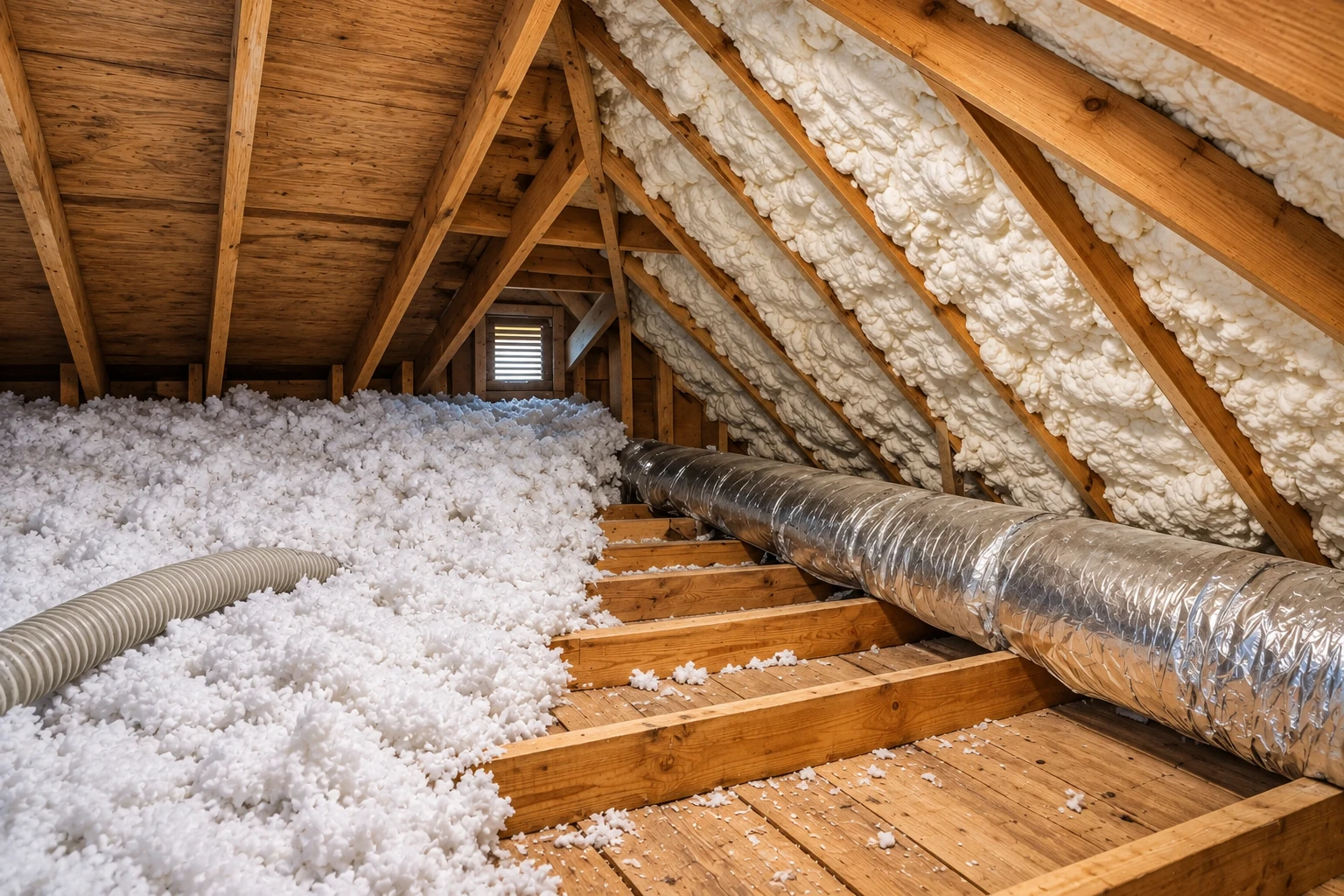
If your ducts run through a hot attic, foam on the underside of the roof brings them inside the sealed space, so cooled air isn't fighting summer heat on its way to your rooms.
Hot upstairs, drafty rooms, a power bill that climbs every summer? We seal and insulate under your roof in one dense layer.
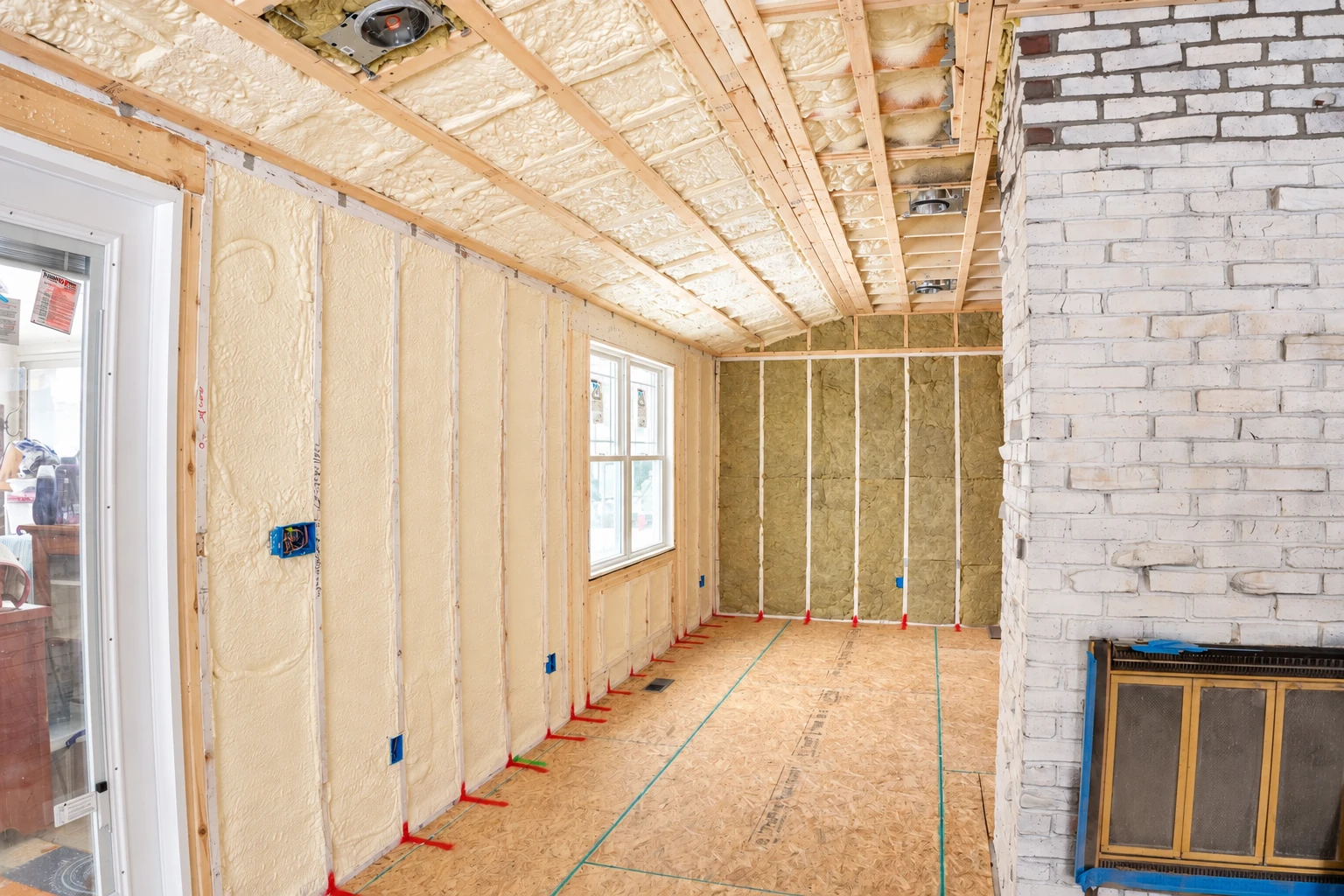
Closed-cell foam insulation is a dense, rigid spray foam we put on the underside of roofs and in walls around South Whittier. At the usual thickness it insulates, seals air leaks and lets almost no moisture vapor through, all in one layer.
Most people who ask about closed-cell foam have a room over the garage that won't cool down, ductwork baking in the attic or a crawl space that stays damp. Foam can help with all three, but it costs more than closing the gaps with attic air sealing and laying loose fill over what's already there, so I'll tell you when that cheaper route makes more sense. The price turns on how much area gets sprayed and how thick, how hard the space is to reach, any roof work and whether your foam needs a covering. The schedule turns mostly on the roof and on how long your household has to stay away. I'll come out and give you your own number before anything is booked.
I come out, look at the roof and attic and write the number myself. Our crew lead runs the install, and I check in while the work's going.
Before we start, we find out which building office covers your address and what it asks for. When the job needs a permit, we do the paperwork and line up the inspections.
We've been in business since 2013, and we're licensed and fully insured. The state licensing board has its own contractor class for installing insulation, so ask anyone you're considering about their license.
I look at the roof first, because foam sprayed against a leak holds the water where you can't see it. Once the roof's sound, we clear the attic or open walls, cover anything that shouldn't get foam on it, and make sure your household is out of the work area before we start. The foam goes on in passes to the thickness written in your estimate, filling around framing, pipes and wiring so the gaps get sealed in the same step. If the product needs a covering, that goes on next, and we clean up before you come back.
Closed-cell isn't the right foam for every spot. Open-cell foam insulation is softer, costs less and lets vapor through, which works in some attics and walls, and our commercial insulation work brings the same roof-first order to shops, offices and rental buildings.
If your ducts run through a hot attic, foam on the underside of the roof brings them inside the sealed space, so cooled air isn't fighting summer heat on its way to your rooms.
That room usually runs hot because heat and air come at it from the garage below and the roof above. Foam fills the odd framing there and seals gaps loose fill can't reach.
Closed-cell foam lets almost no moisture vapor through, so it suits crawl space walls and other spots where damp air meets framing, and it can stand in for a separate vapor barrier.
If your ducts aren't in the attic, sealing the gaps and topping up with blown-in insulation usually gets you most of the comfort for less, and I'll tell you that at the estimate.
Send the form and we'll get back to you within one business day to set a visit. I'll look at the roof and attic, then write your estimate, with no obligation.
The estimate costs nothing. I have to see the roof, the attic and how the space is framed before I can tell you how much foam it takes.
Have your address, the areas you want insulated and the roof's age handy. The age tells me early whether roof work might need to come before the foam.
Your estimate spells out any roof work, whether the foam needs a covering and how long your household stays away, so you know what you're paying for before we start.
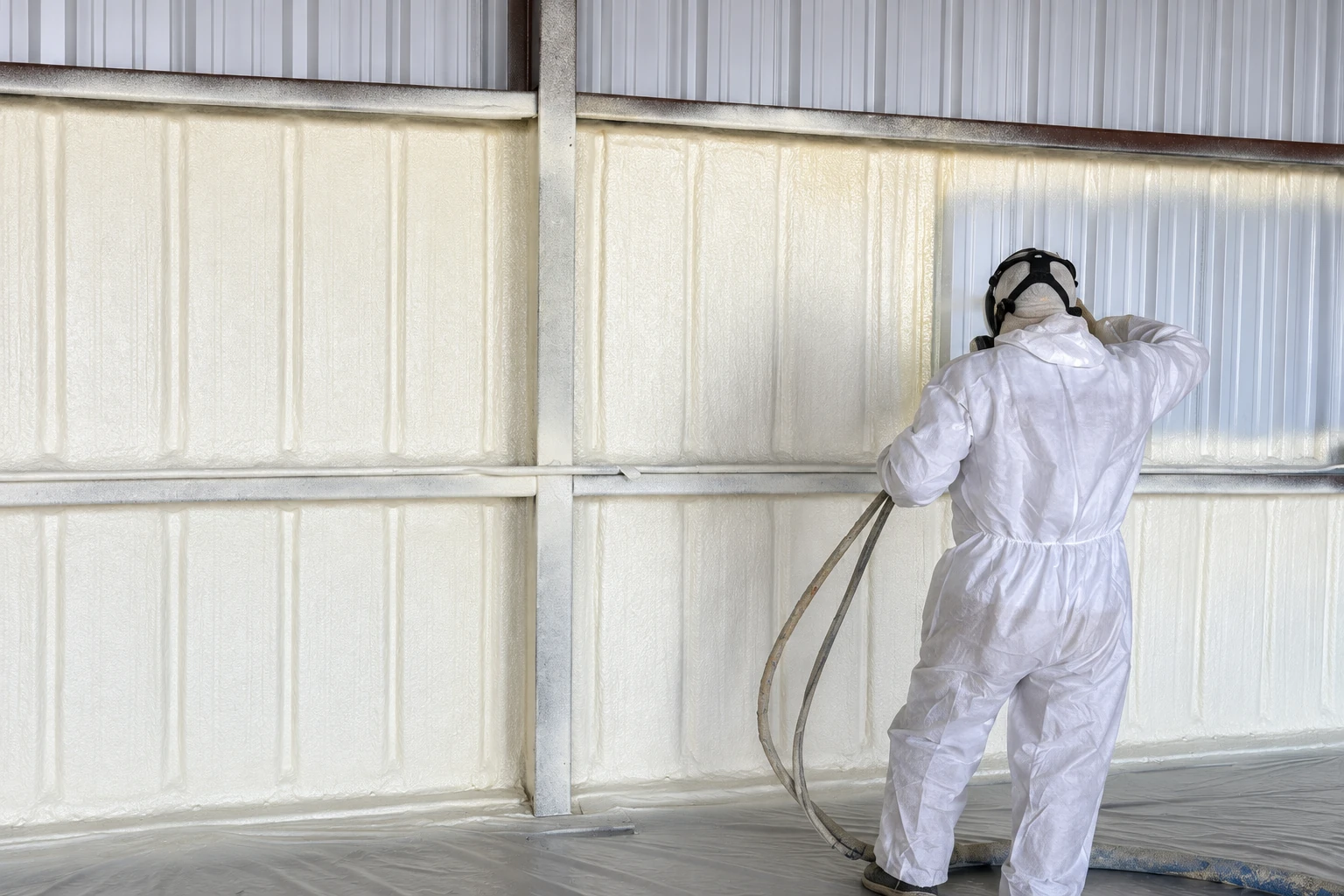
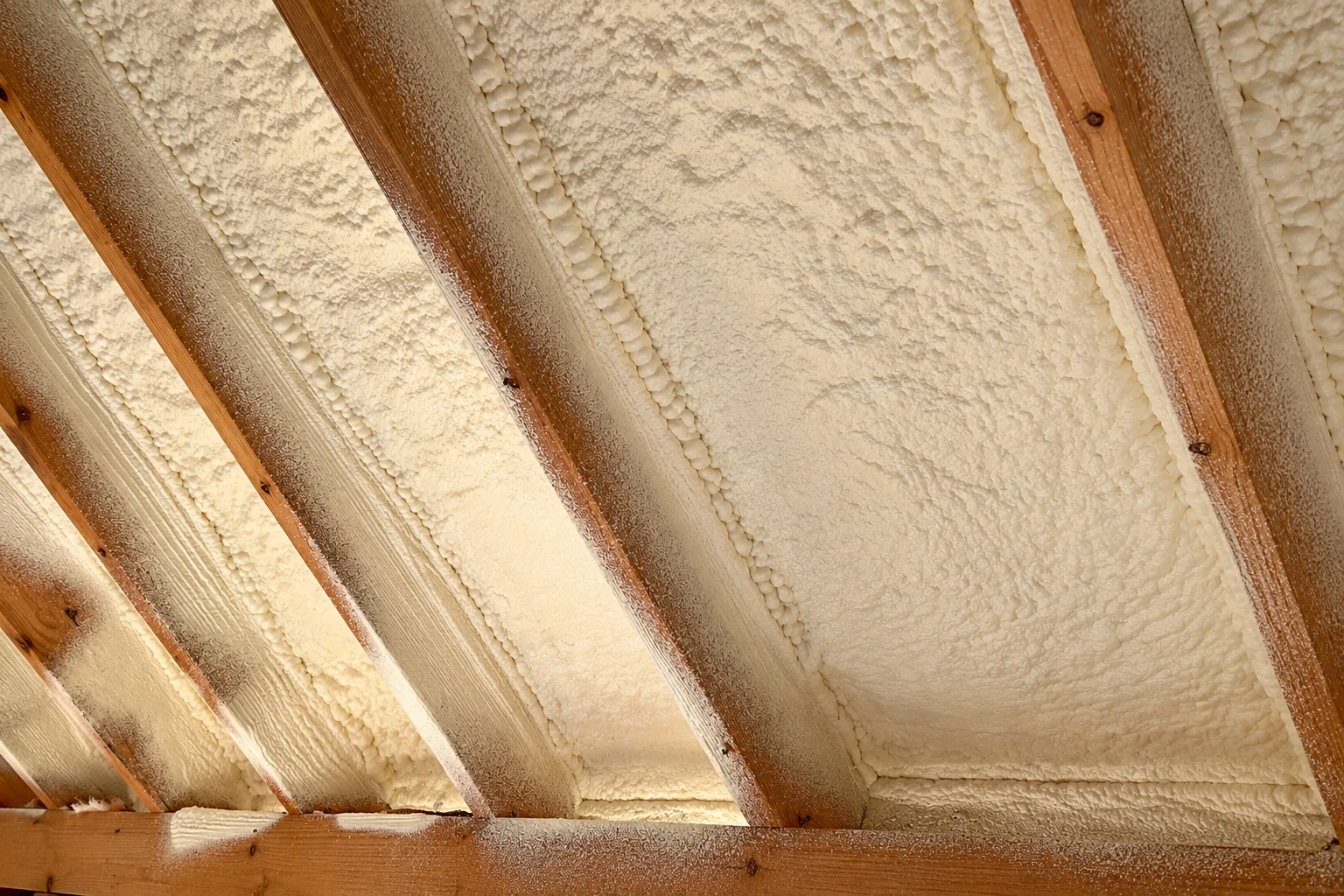
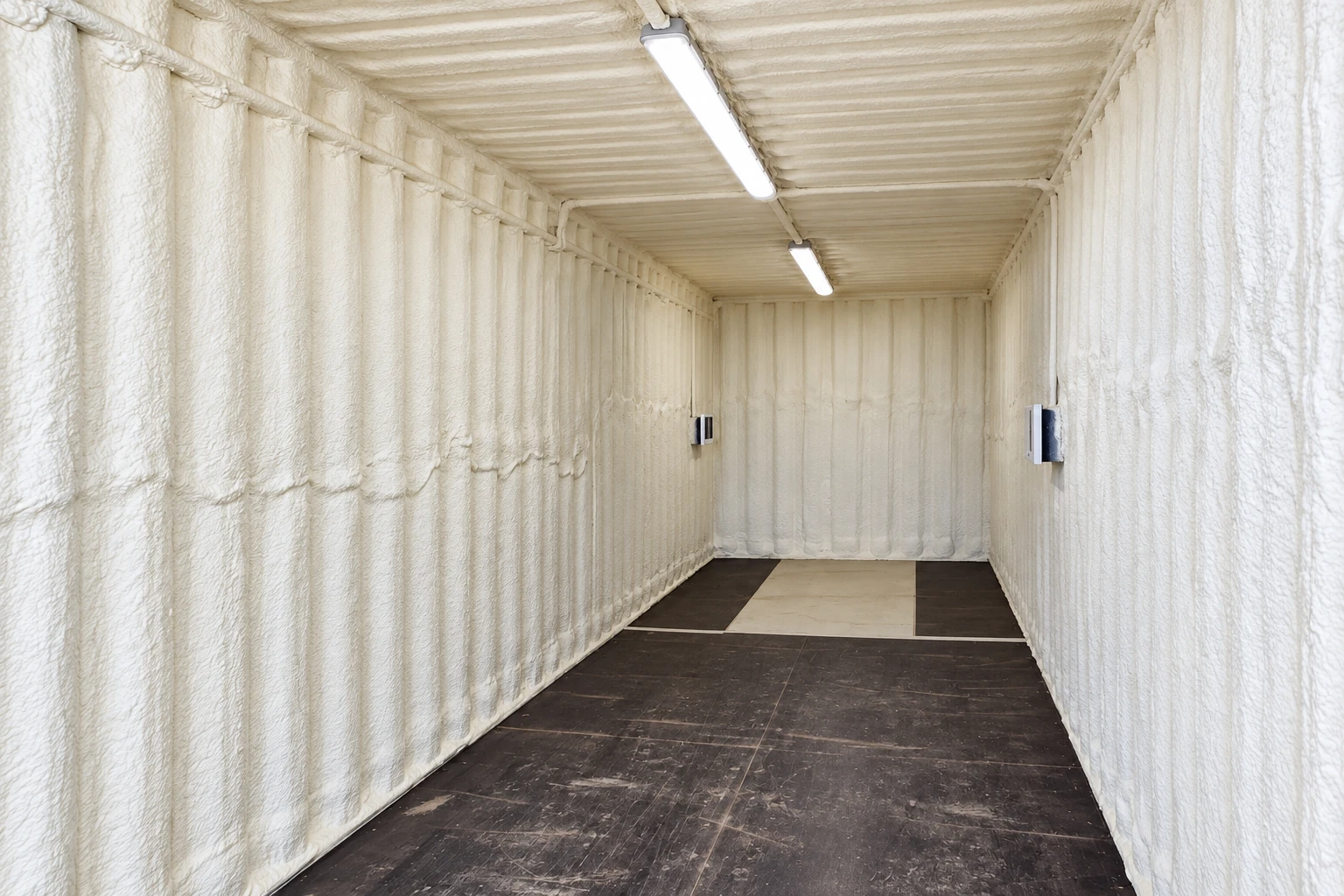
These photos show how sprayed foam looks under roofs, between rafters and on walls, so you can picture coverage and coverings for your house.
Straight answers on cost, the roof, time away from home and permits, the things people ask before booking a foam job.
Closed-cell spray foam in the Los Angeles area usually costs about $1.00 to $1.60 per board foot, which is one square foot of foam an inch thick. Thickness matters as much as area, and hard-to-reach spaces, roof repairs or a covering add to the total. I measure both at your house and give you the full number before we start.
It needs a check, and sometimes a repair. Before spraying, the shingles or roofing membrane get looked over, leaks get fixed and damage gets repaired. A roof at or near the end of its service life may be worth replacing first so it keeps water out. If yours is, I'll tell you before we book, so that cost is part of your plan.
Plan to be out of the work area before spraying starts and to stay out for a while after it ends. Some foam makers recommend 24 hours before people move back in, but the time varies by product. I tell you the time for the foam we're using before the job's booked, so you can sort out where everyone stays, kids and pets included.
The risk is in the foam's chemicals during spraying and for a while after, so the plan keeps your household out for that whole window. Isocyanates, the key ingredient, and other chemicals in the vapor, mist and dust can cause asthma, lung damage, other breathing problems and skin and eye irritation. Waiting the full time before coming home matters as much as leaving.
Some does and some doesn't. Depending on the product or the building code, a spray foam may need a thermal or ignition barrier, a fire-protective layer such as a coating or drywall. I tell you up front whether yours does, because a covering adds work and cost to the job.
For homes in unincorporated LA County, LA County Public Works issues building permits, and its South Whittier District Office processes them. If your address falls under a city, another office may handle it. Whether your foam job needs a permit is that office's call. The state energy code also sets insulation standards by climate zone, which is one more reason we check your address first.
Call (562) 358-3003 after work if that's easier, since we answer until 11 PM on weekdays, or send the form anytime.