
Spray foam insulation
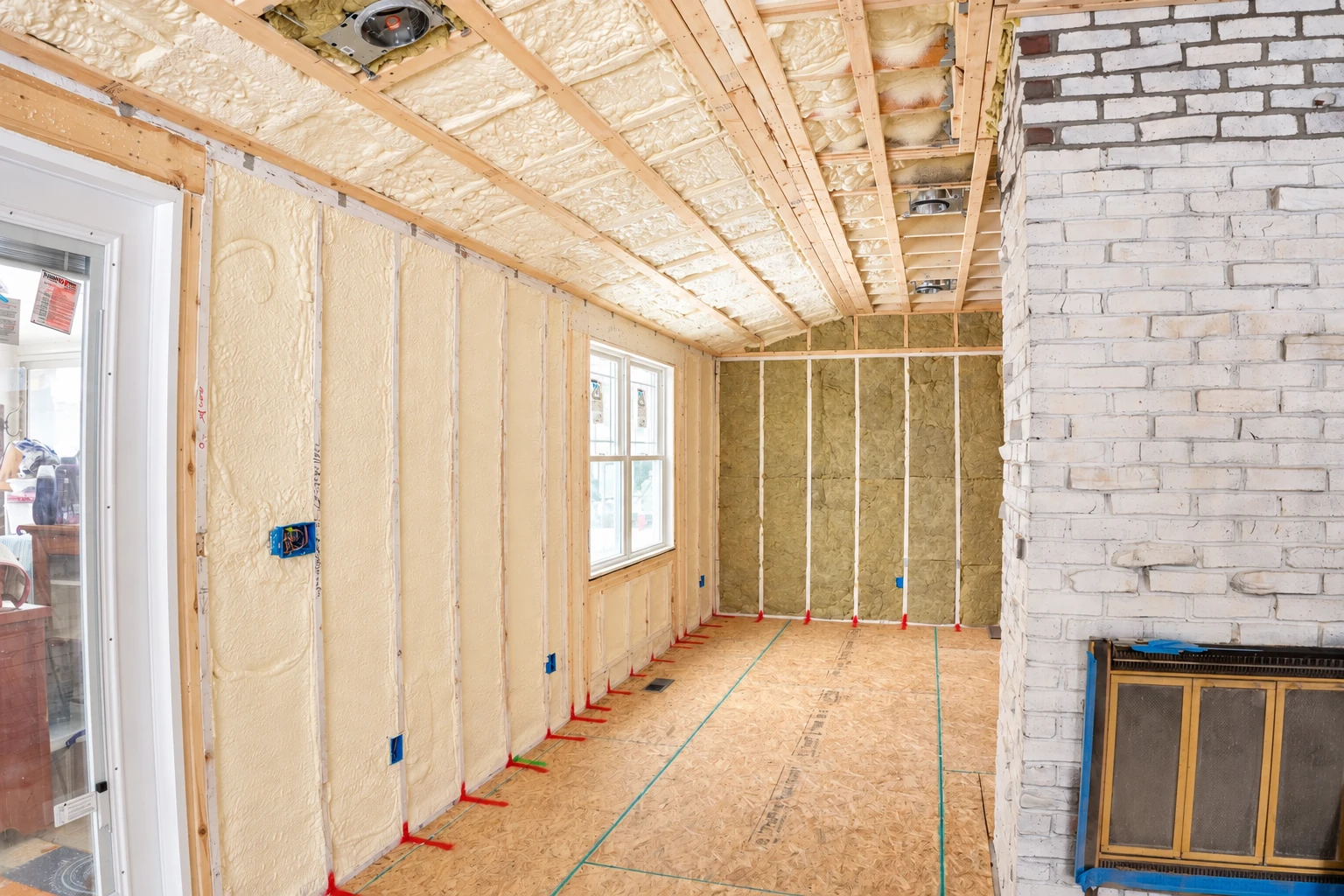
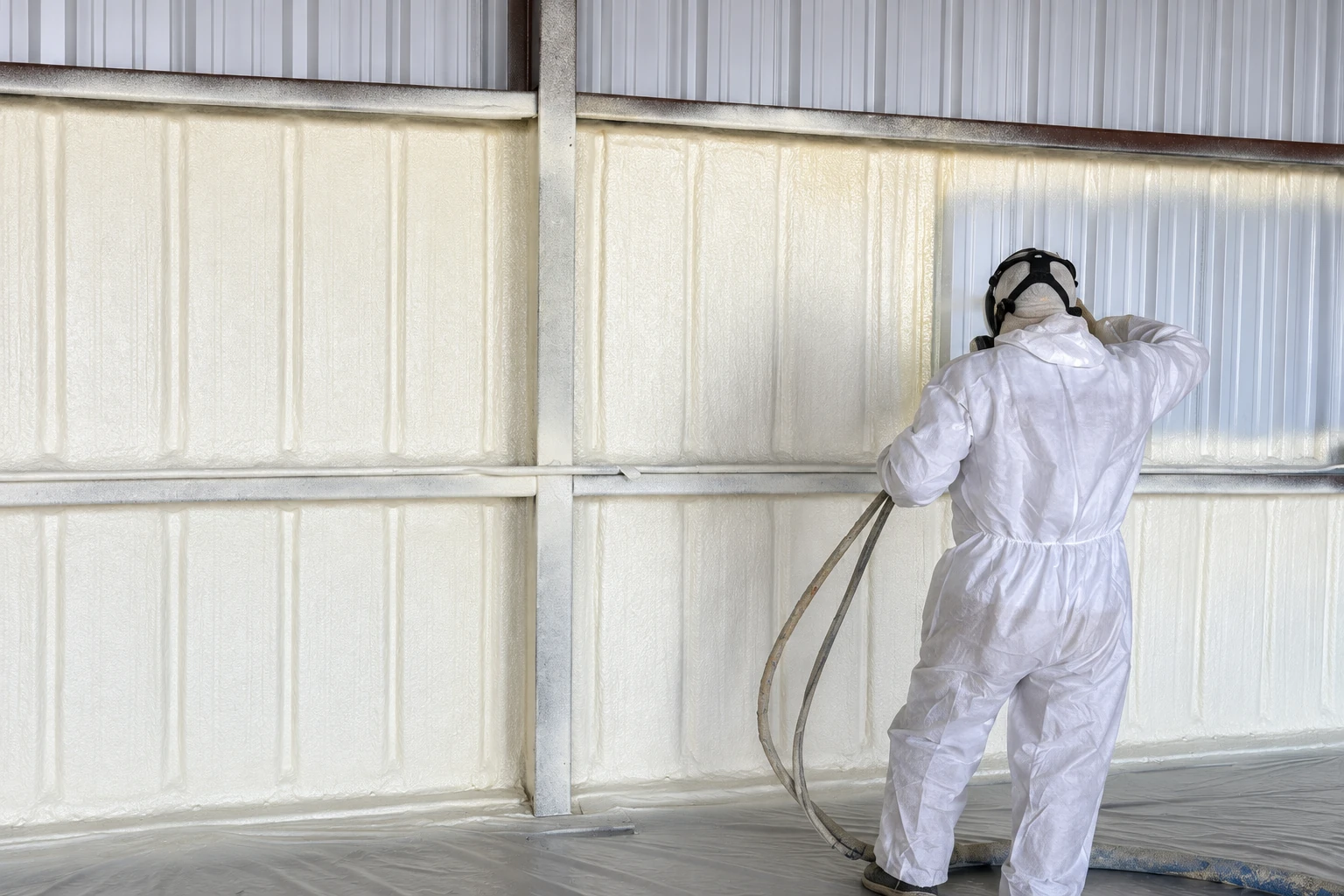
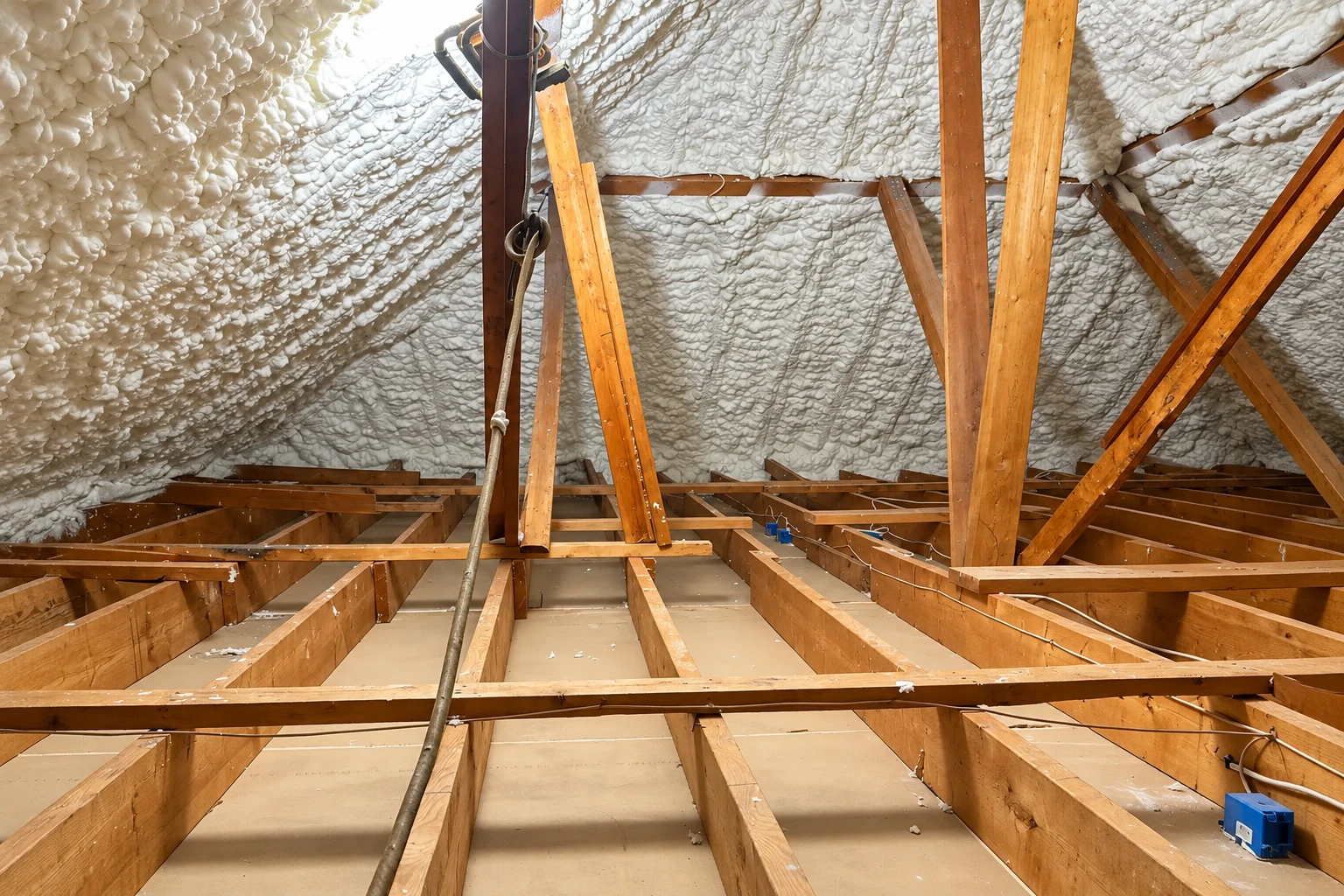
Foam sprayed under the roof or into open walls, sealing air and insulating in one pass. It costs more, and it earns that when your ducts run through a hot attic.
South Whittier Insulation and Spray Foam insulates attics, walls and crawl spaces in West Covina, CA. We seal the gaps first, pull worn insulation when it has to go, then add blown-in or spray foam so rooms stay comfortable.
West Covina sits in the San Gabriel Valley, and our jobs there run from flat-street neighborhoods near the I-10 to homes up in the hills, plus some shops and offices along the freeway. We're an insulation contractor based in South Whittier, CA, and we do the same work in El Monte and Whittier. What moves the price and the schedule is what I find in your attic: how many inches are already down, whether old insulation has to come out, how many gaps need sealing first, and how easy the space is to get into. The estimate tells you what you'd pay before anything starts.
Inland summer heat builds up under these roofs, so the first call is usually about a hot upstairs or the room over the garage, and on a lot of houses here the ductwork runs right through that heat, which changes what we'd put up there.
I come out, measure what's in the attic and write the estimate myself. Our crew lead runs the install and I check in, so the job matches what I priced.
We close the gaps around can lights, pipes and the attic hatch before new insulation goes down, because insulation laid over a draft just sits in moving air and does far less.
Before work starts, we check which building office covers your address and what it asks for. When your job needs a permit, we handle the paperwork and line up the inspections.
Foam sprayed under the roof or into open walls, sealing air and insulating in one pass. It costs more, and it earns that when your ducts run through a hot attic.
Most calls here start with a hot upstairs. We measure the inches already down, seal the gaps, then build the depth back up evenly, out to the edges where it usually runs thin.
Loose fill blown through a hose across the attic floor. It tops up thin coverage quickly, and we keep it off the eave vents so the attic can still breathe.
A look at the whole house, attic, walls and floors, when one room runs hot and another feels drafty. We start where the most heat gets in and work from there.
Old insulation that's soaked, flattened or full of droppings comes out before anything new goes in. Laying fresh material over it only hides the problem, so we vacuum it out first.
For houses with a crawl space, insulation between the floor joists takes the chill off cold floors. We check for moisture down there first so the new material stays dry.
Exterior walls with little or nothing in them can be filled from outside or inside, depending on the siding and the finish. We'll tell you which way makes sense for your house.
Closing the leaks around the rest of the house, like pipe and wire holes, crawl space openings and the spot where the framing meets the foundation, so outside air stops getting in.
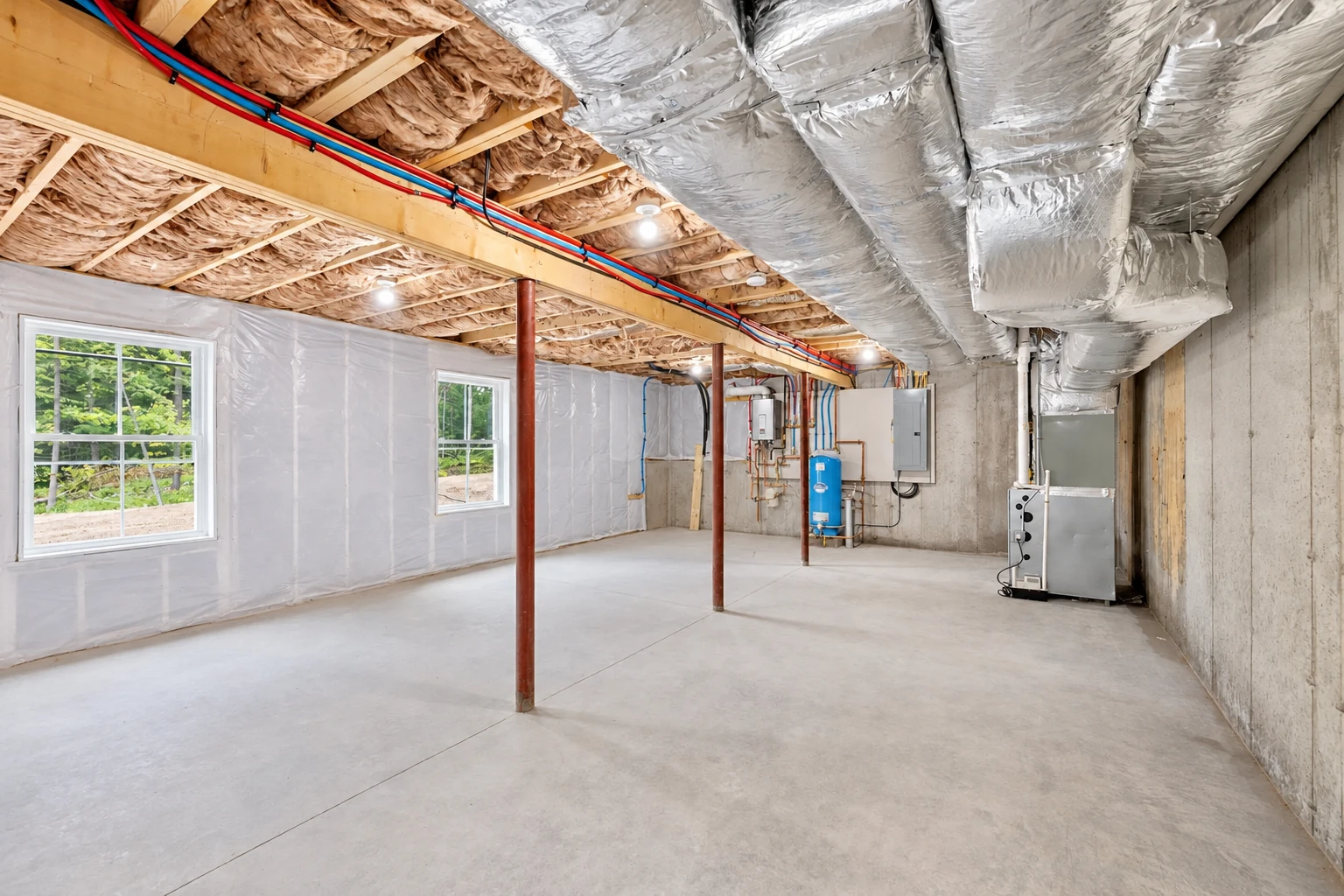
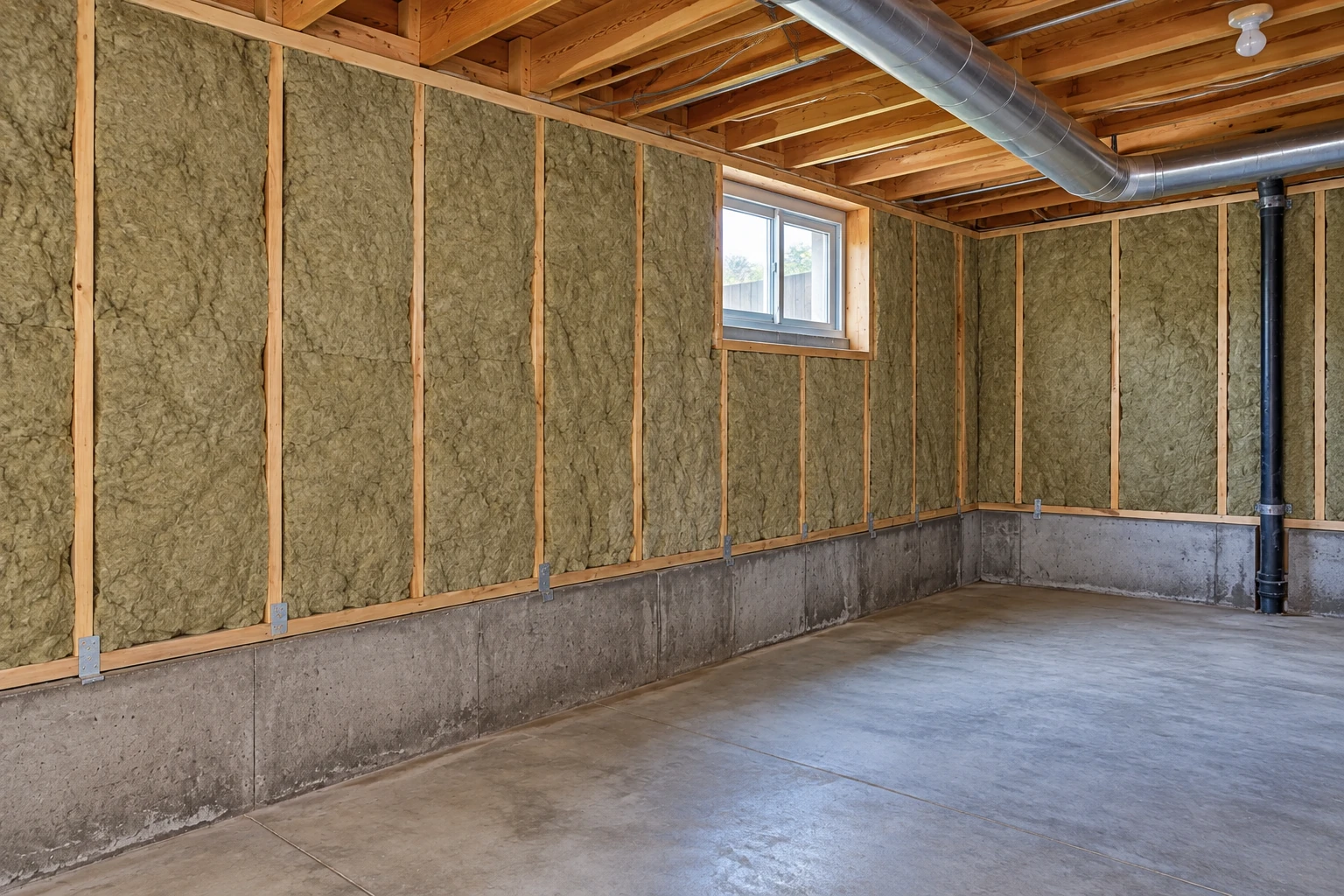
When a house has a basement, we insulate its walls and the framing along the top of the foundation so the space below stops pulling heat out of the floors above.
Closed-cell foam is dense foam that blocks moisture as well as heat, so we use it where water is a risk, like crawl spaces, foundation edges and tight roof spaces.
A lighter, softer foam that fills odd-shaped cavities and quiets outside noise. It fits well under the roof deck of an attic that holds ductwork and stays dry.
Insulation and air sealing for shops, offices and small commercial buildings, planned around your business hours where we can so the work stays out of your customers' way.
Heavy plastic laid over the dirt in a crawl space to keep ground moisture from rising into the floor framing and the insulation above it.
A moisture layer in walls, floors or ceilings, put on the right side so it keeps water vapor out of the framing instead of trapping it there. The side matters more than the material.
We go through the attic before new insulation goes down and seal around can lights, flues, wiring holes and the hatch, because insulation doesn't stop air that's moving through it.
Adding insulation to a finished house without tearing it apart, through small openings in the walls or from the attic. It suits older homes built when nobody insulated much.
Send the form and we'll get back to you within one business day to set a time. I come out, look at your attic and write the estimate myself, free and with no obligation.
I want you to know exactly what you're paying for before we start, so the estimate spells out what we'll remove, what we'll seal and what we'll add.
If your roof leaks or the old insulation should be tested first, I'll tell you to get that done rather than take a job that won't hold up.
I learned this trade hauling bags and feeding hose into attics, opened this company in 2013 and still answer the phone. We're licensed and fully insured.
These are the questions West Covina homeowners ask me most before an insulation job, answered the way I'd answer them on site.
Check with the city's Building Division, because its list of work that skips a building permit covers sheds, fences, decks and finish work, not insulation. The division issues permits for private work across West Covina and takes questions at (626) 939-8425. We check this before we start and handle the paperwork when your job needs a permit.
I can't give you a fair number until I've seen your attic, and the estimate gives you one before anything starts. The biggest choice is the material. Foam costs more and seals air while it insulates, but sealing the gaps and topping up blown-in usually gets you there for less, unless your ductwork lives in the attic.
For blown-in, usually not, because the work stays up in the attic and you can go about your day. Spray foam is different, and everyone, kids and pets included, stays out until the re-entry time has passed, which is the wait before it's safe to come back inside. I'll tell you the hours for your job at the estimate.
Yes. The city requires any business operating in West Covina, from a sole proprietor to a corporation, to get a city business license, due within fifteen days of starting business there. The city's Finance Department handles business licensing.
These are the cities with their own page on our site, and they aren't the only ones we work in. If yours isn't listed, call (562) 358-3003 and ask.
Call (562) 358-3003, weekdays until 11 PM and weekends until 10 PM, or send the form and I'll come look at your attic.