
Upstairs rooms that stay hot
If the bedrooms upstairs bake every afternoon, the attic floor is usually thin or patchy, and an even blown layer slows the heat coming down through the ceiling.
Hot upstairs rooms and a climbing power bill usually start with a thin attic. We seal the gaps, then blow in a full, even layer.
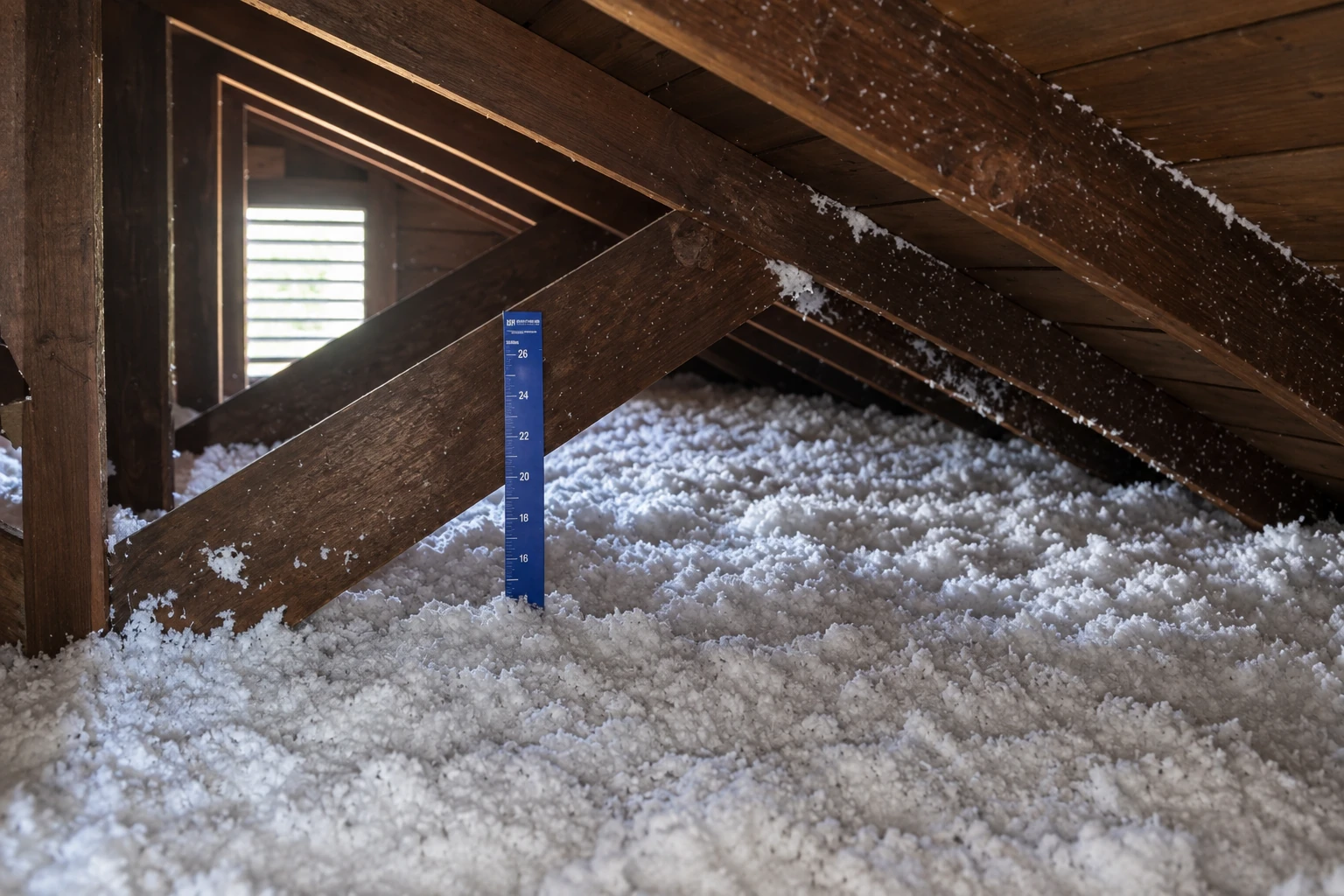
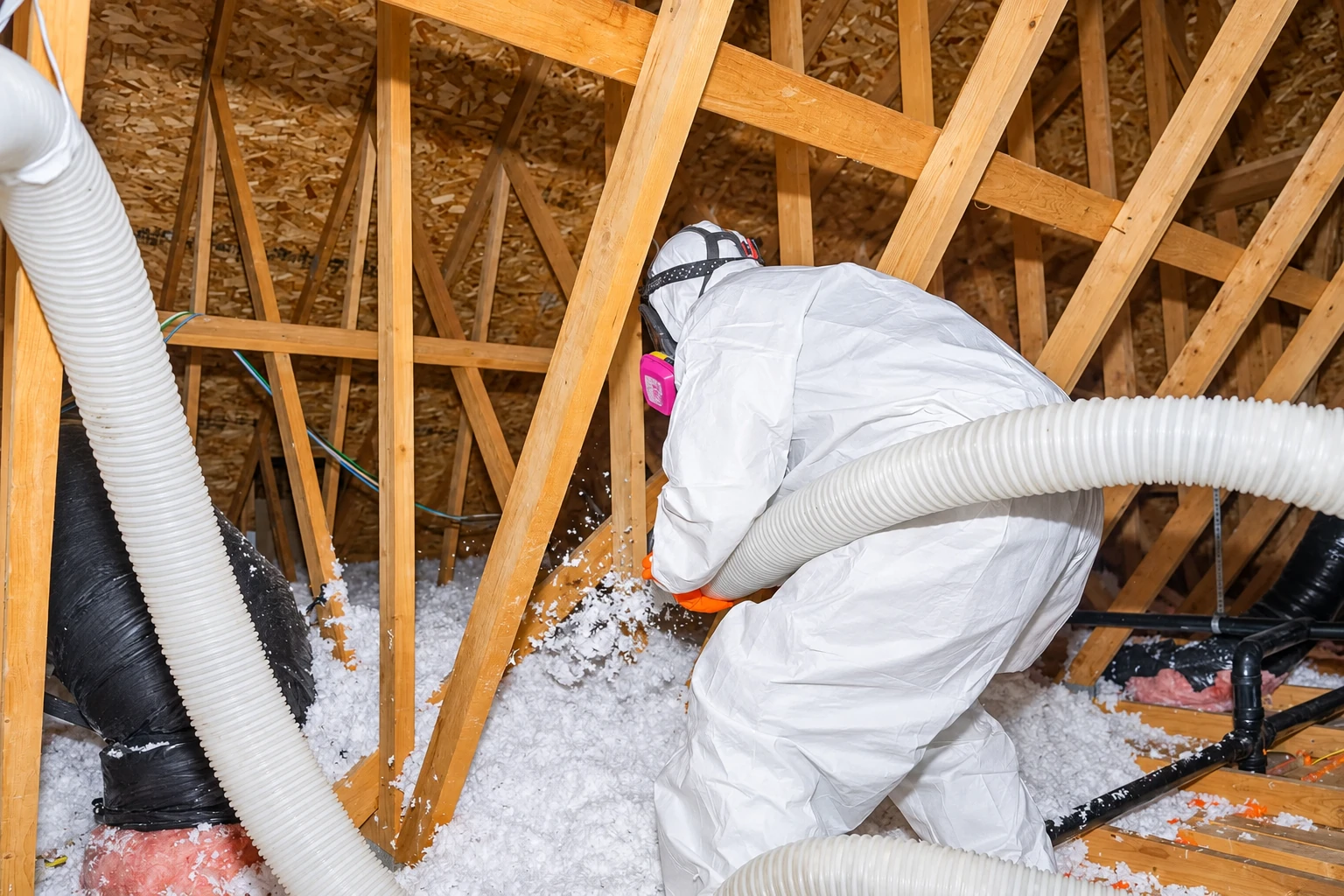
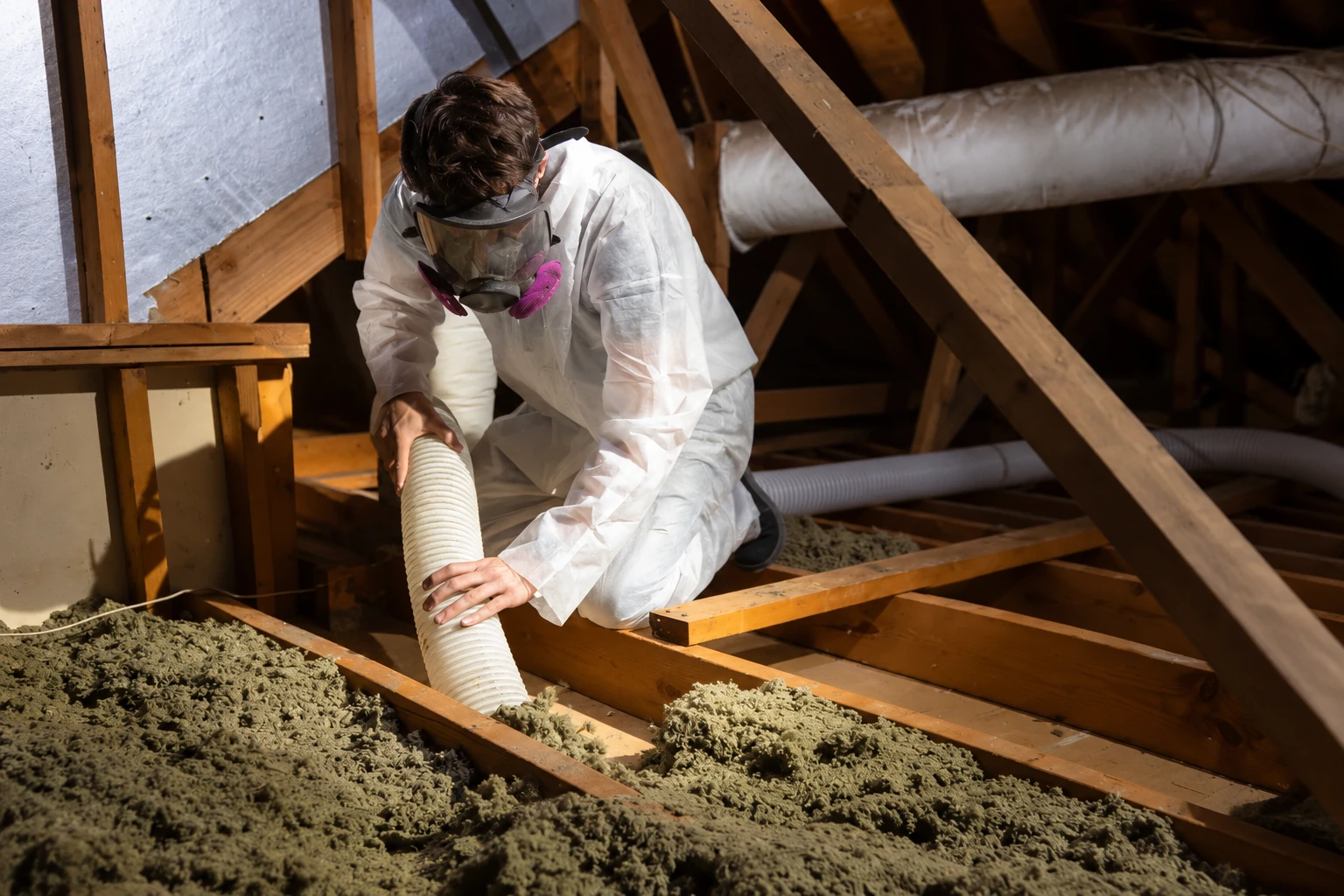
Blown-in insulation in South Whittier is loose fill, usually cellulose or fiberglass, blown through a hose across your attic floor so the ceiling holds back the summer heat and the house feels more even from room to room.
Most calls start with an upstairs that bakes all afternoon, a room over the garage that never feels right, or a power bill that keeps creeping up. The price moves with the size of your attic, how many inches are already up there, how many gaps and older can lights need work, and whether the old layer is clean enough to stay, because if it's wet or full of droppings, insulation removal comes first. That removal, plus any roof leak you need fixed before we cover anything, is what the schedule turns on, and I'll put your own figure in writing when I come out to see the attic.
I come out, go up in your attic and write the estimate myself, so the person pricing your job is the one who saw how many inches are there and what's under them.
The estimate spells out the sealing, the blocking around flues and lights, and the depth of the new layer, so you can hold it up against any other quote line for line.
If your roof leaks or the old insulation looks like it should be tested, I'll tell you to deal with that first, because new insulation laid over a problem just hides it.
Our crew lead runs the install, and I check in on the work. We start by sealing the openings through the attic floor, around pipes, wires and the hatch, so the new layer isn't fighting a draft. Hot flues get metal blocking and a collar, older can lights that can't touch insulation get covers, and we set baffles, guards at the eaves, so the vents keep the attic breathing. Then we blow the fill in at an even depth all the way out to the top of the outer walls, packed firm enough that it won't sink into thin spots, because the edges are where most attics come up short. We're licensed and fully insured. Satisfaction guaranteed.
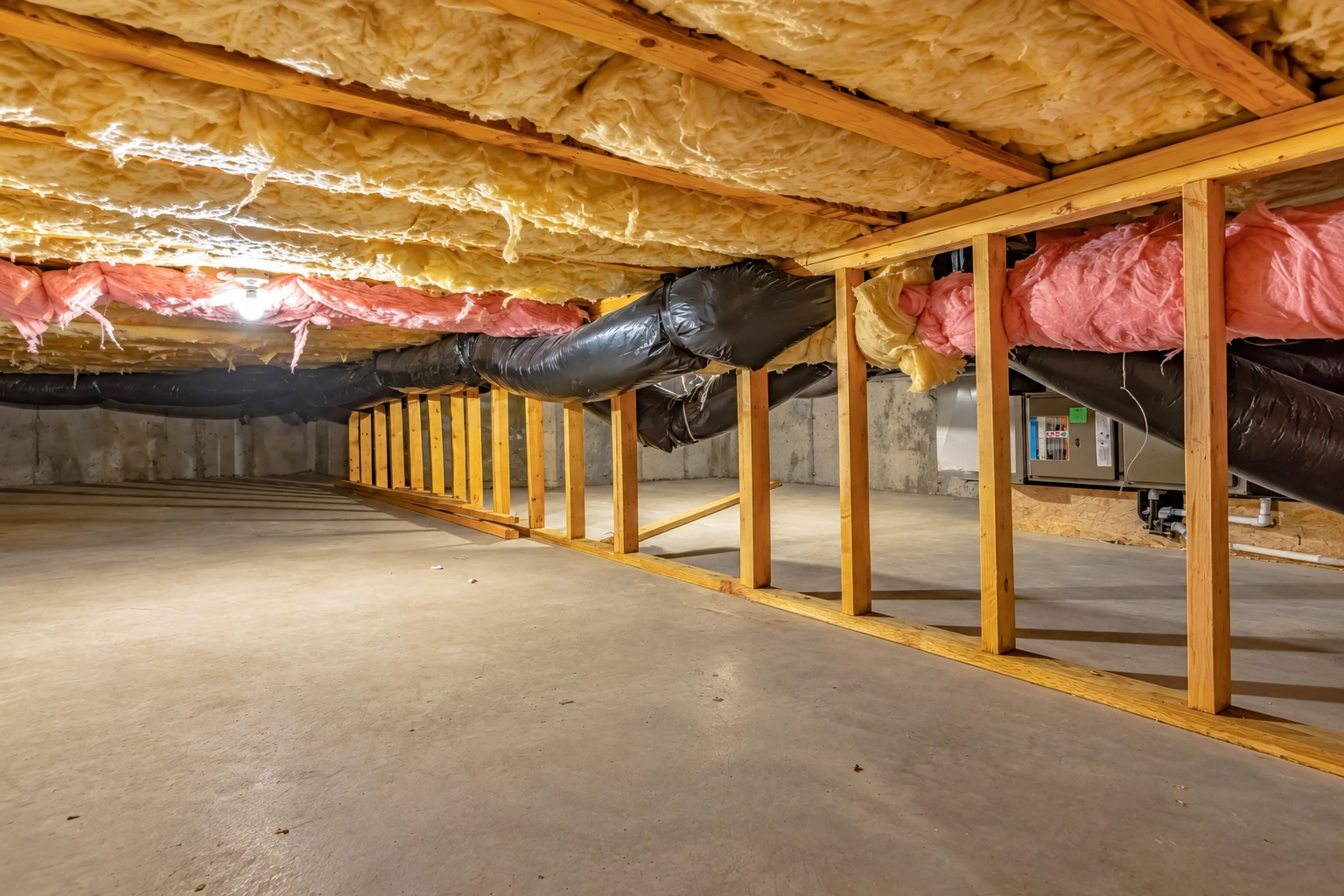
Some attics need more than a top-up. If the old layer can't stay, insulation removal comes first, and if the attic is only part of why the house feels drafty, home insulation covers the walls and crawl space too.
If the bedrooms upstairs bake every afternoon, the attic floor is usually thin or patchy, and an even blown layer slows the heat coming down through the ceiling.
When the old layer is dry and clean but has packed down over the years, we can blow new fill right over it instead of paying to pull it out.
That room usually runs hotter and colder than the rest of the house, and the ceiling above it is often where coverage runs thin, so it gets the same full layer.
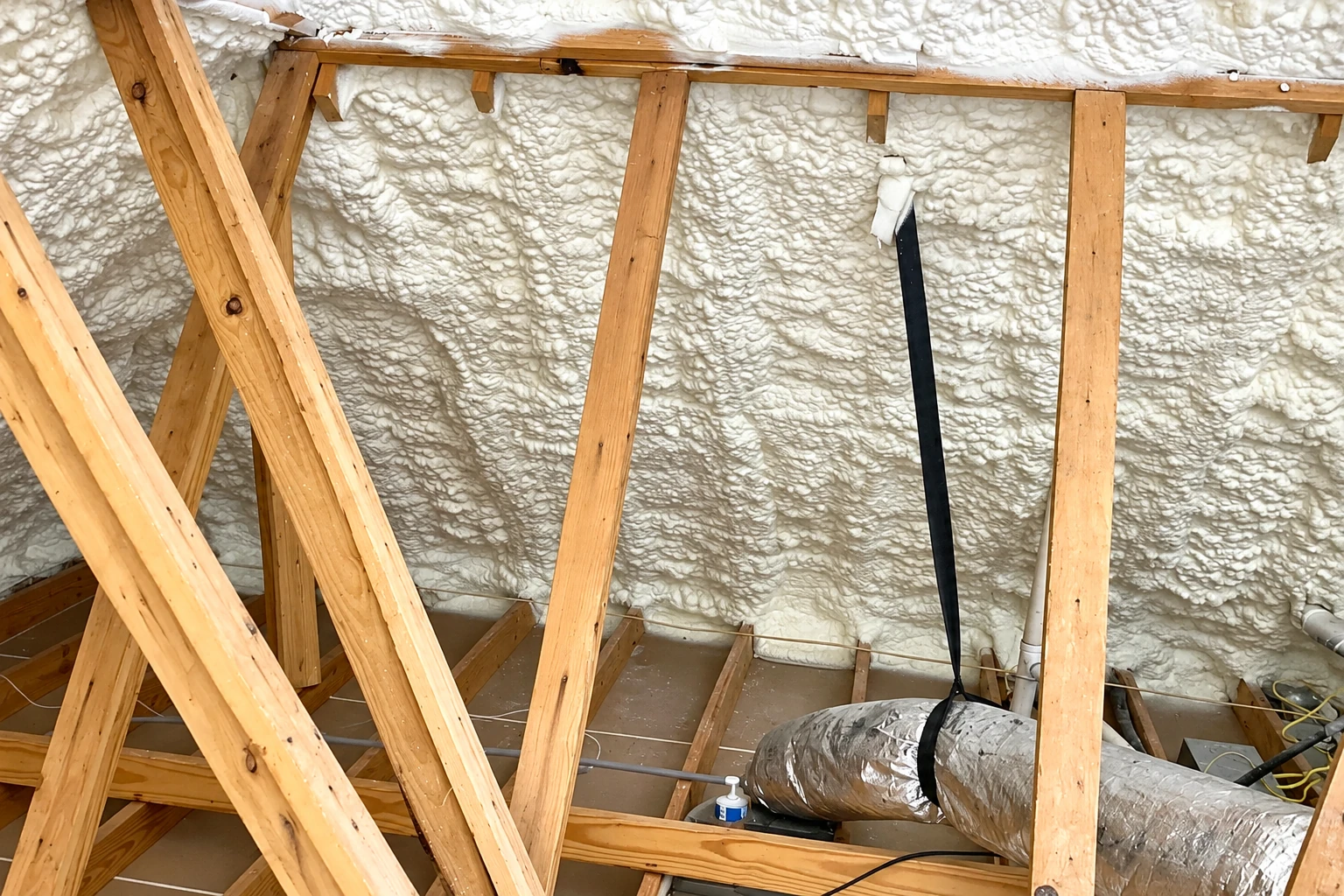
Spray foam costs more and seals air as it insulates. If your ductwork isn't in the attic, sealing the gaps and blowing in loose fill usually gets you more for the money.
Send the form and we'll get back to you within one business day to set a visit. I come out, look at your attic and write the estimate myself, free and with no obligation.
It tells us where to come, and we take jobs across South Whittier and the cities around it. If you don't see your city on the site, call and ask.
The square footage of your house is close enough for now, since it gives me a starting idea of how much fill the attic needs before I go up there.
Recessed lights need covers when they can't touch insulation, and stored boxes change how we lay out the job, so tell us about both and I'll plan around them.
These photos show blown cellulose and fiberglass, eave baffles and covered can lights, to help you point out what you'd like.
These are the questions South Whittier homeowners ask most before a new blown-in layer goes down, from cost to permits.
Blown-in attic insulation in the Los Angeles area usually costs about $1 to $7 per square foot. That's the going range across the area, not a quote. Where your attic lands in it comes down to what I find up there, and I'll give you your own number on the free estimate.
For most attic floors, yes. Blowing in loose fill usually costs less than laying batts, the precut blanket pieces, and it fills in around joists, wires and odd corners, so you get fuller coverage. Install costs still vary from house to house, so I'll tell you at the estimate if your attic is the exception.
Every opening through the attic floor gets air sealed first, which means closing the gaps with caulk, spray foam or rigid blocking before any new fill goes down. Whoever you hire, ask whether that sealing is in the quote, because skipping it leaves the new layer fighting a draft. On ours it's listed so you can see it.
The county's permit list names alterations and repairs but not insulation, so ask before work starts. LA County Public Works issues permits for unincorporated county property through its South Whittier District Office in Norwalk, (562) 946-1390, and another office may cover your address. We check which one does, and when a job needs a permit, we handle the paperwork and inspections.
California's contractor license classes include C-2, Insulation and Acoustical Contractor, which is the class named for insulation work, so it's the one to know by name when you compare bids. We're licensed and fully insured, and I'm happy to go over that with you at the estimate.
I still answer the phone, evenings and weekends included, so call (562) 358-3003 after work or send the form whenever it suits you.