
Hot rooms upstairs
When the upstairs runs hot by afternoon, the heat is usually coming down through the attic, so sealing the gaps and building up the insulation there is where we start.
Hot upstairs, drafty rooms or a power bill that keeps climbing? We seal the gaps first, then insulate, so your house holds its temperature.
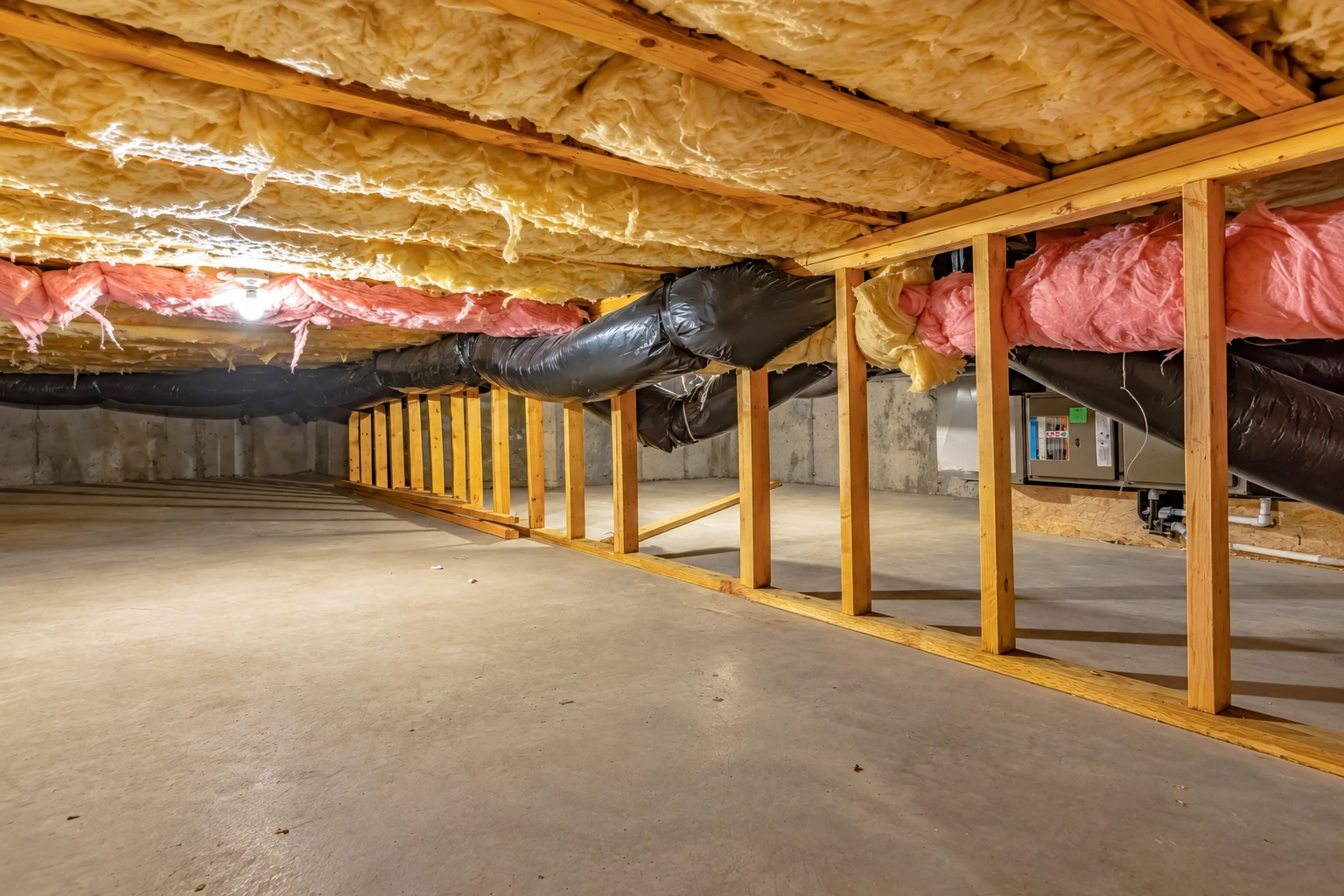
Home insulation in South Whittier means sealing the air leaks in your house and then adding insulation to the attic, the floors over the crawl space and the framing along the foundation, so your rooms hold their temperature.
Most calls start with rooms that won't stay comfortable or with old insulation that's dirty and worn out. The price turns on how much attic and floor there is to cover, how many inches are already up there, how many gaps need sealing and whether old material has to come out first. The schedule turns on how easy the attic and crawl space are to get into and whether a roof or moisture repair has to happen first, and your own figure goes on the estimate I write after looking.
Your estimate lays out each step, from sealing to removal to new insulation, so you know exactly what you're paying for before our crew carries anything up the ladder.
If your roof needs fixing or your old insulation needs testing before anything else, I'll say so, because I'd rather send you to that first than take a job that won't hold up.
I learned this trade hauling bags up attic ladders, opened this business in 2013 and still answer the phone myself, and we're licensed and fully insured.
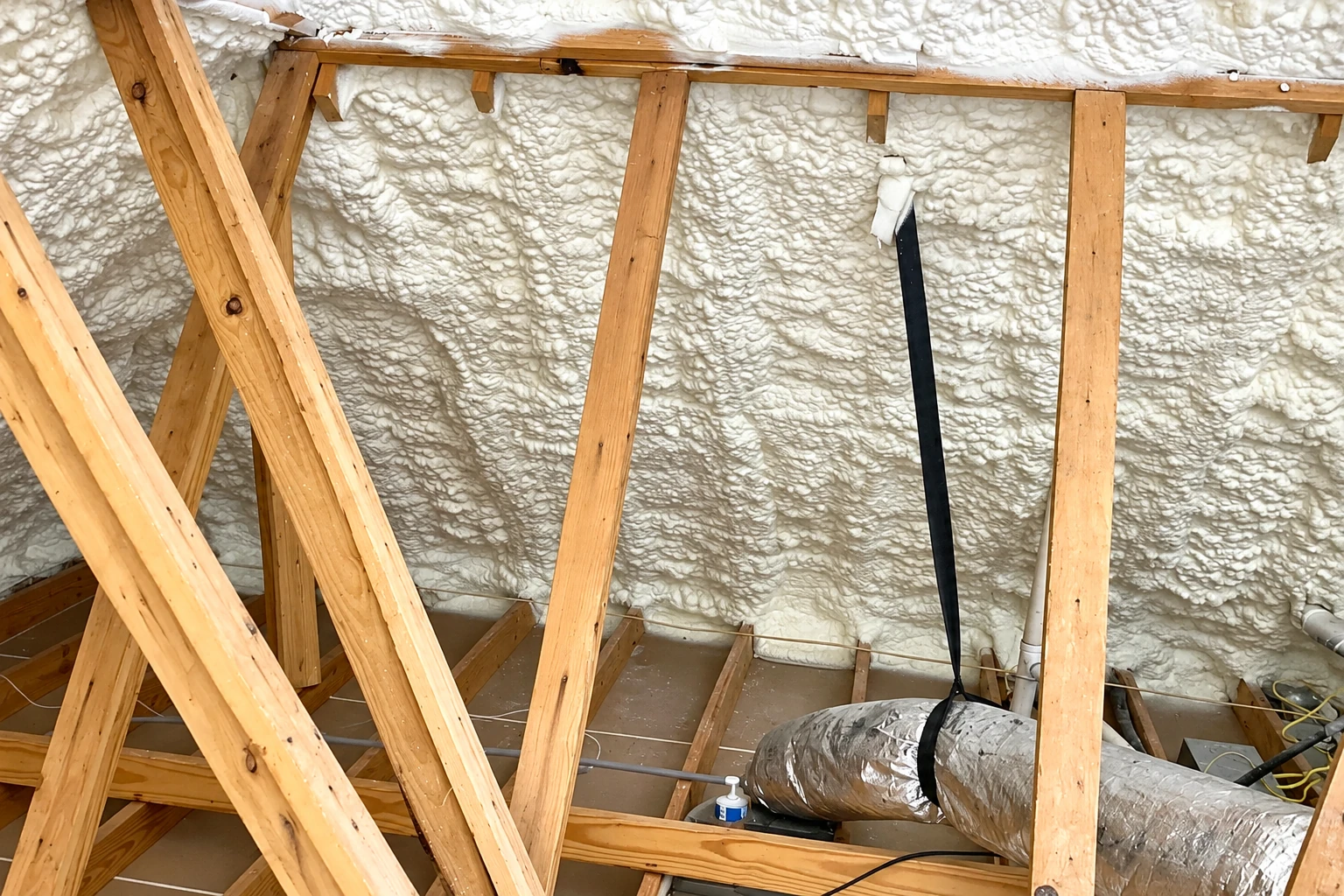
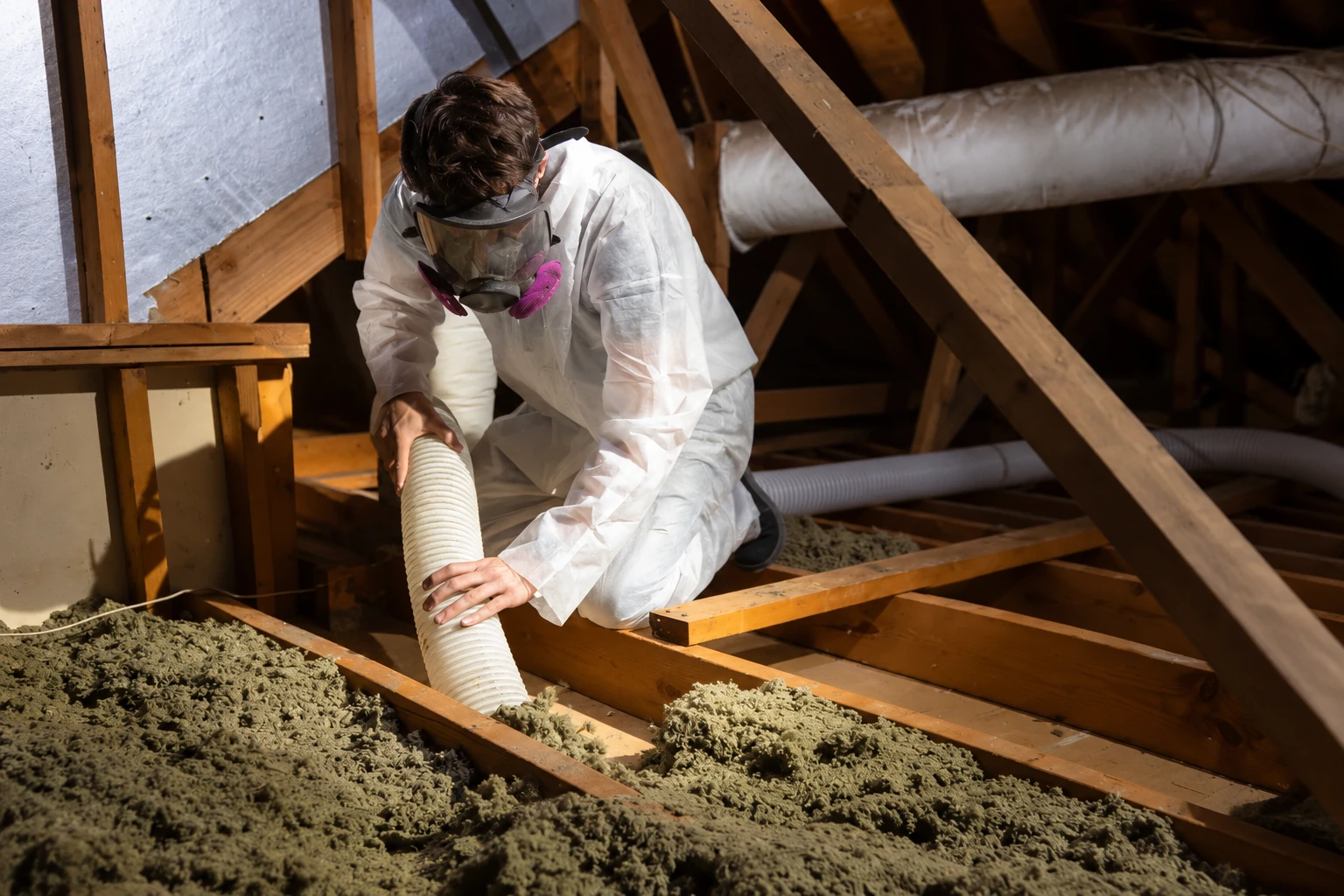
I start by looking at the attic, the floors and the crawl space together and measuring how many inches are already up there, because that sets the order of the whole job. Wet insulation usually means a roof leak and rotted rafters mean a moisture problem, so if I find either, we talk about that repair before we talk about insulation. Once the order's set, our crew lead runs the install and I check in on the work. The crew starts with air sealing, closing the gaps around can lights, pipes, wires and the attic hatch, and keeps the eave vents clear so the attic can still breathe. Then the insulation goes in, usually blown-in, which is loose fill blown through a hose, spread full depth all the way out to the edges, where coverage tends to run thin. Foam costs more because it seals air as it insulates, so I usually point people to sealing and loose fill unless the ductwork runs through the attic.
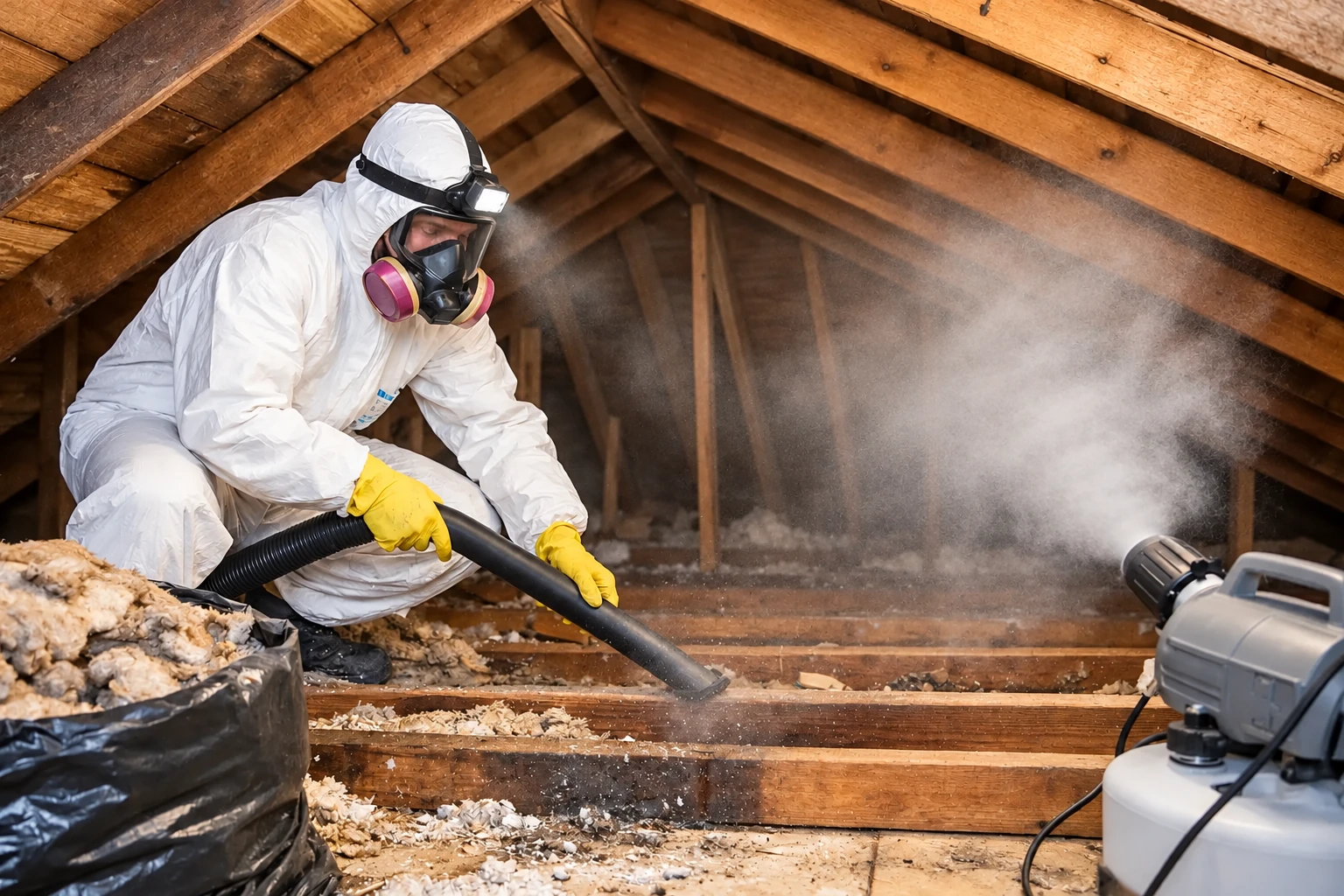
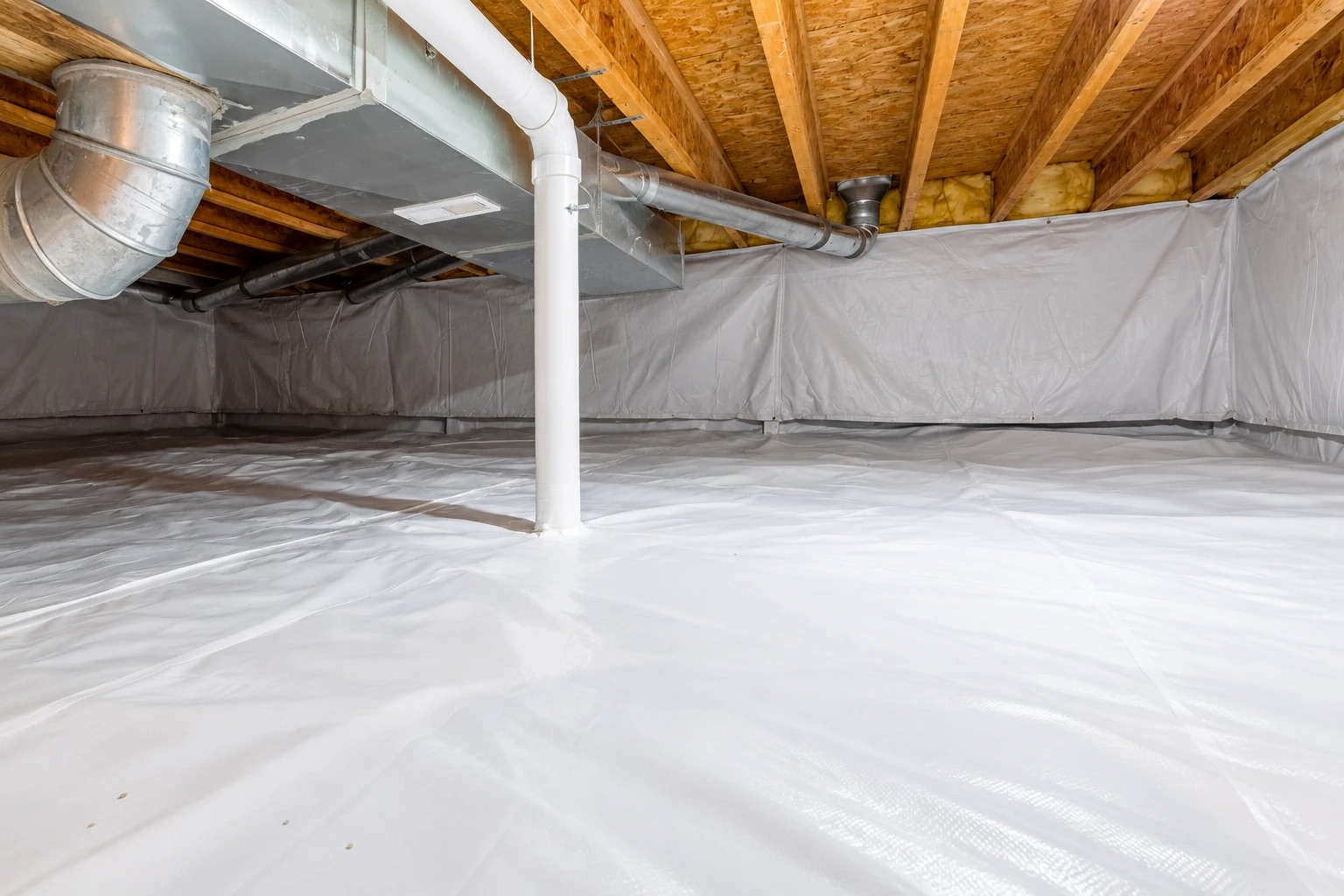
Some jobs need work on either side of that. When old insulation is soaked, packed flat or full of droppings, insulation removal comes first, since fresh material laid over it keeps the problem in the attic. Under the house, crawl space insulation covers the floor framing and the rim joists, the framing that sits on the foundation, and we seal those gaps before insulating there too.
When the upstairs runs hot by afternoon, the heat is usually coming down through the attic, so sealing the gaps and building up the insulation there is where we start.
The room over the garage has the garage below and the attic above, so it loses on both sides, and we look at the floor and the ceiling there together.
Floors over a crawl space pull cold air up underfoot, and insulating the floor framing from below keeps the room comfortable without turning the thermostat up.
Insulation does the most for your heating and cooling bill when the air leaks get sealed along with it, because air slipping through the gaps takes the heat or the cool with it.
Send the form and we'll get back to you within one business day to set a time. I come out, look over the attic, floors and crawl space, and write your estimate, with no obligation to go ahead.
I come out to your house and write the estimate myself, so the person who looked in your attic is the one standing behind the price you get.
The estimate costs nothing and happens on site, because I need to see the attic and crawl space before I can tell you what the job really involves.
You get the written estimate and decide when you're ready, with no pressure from us, and if you hire us, the work is satisfaction guaranteed.
Blown-in attic fill, foam along rim joists and sealed can lights are a few of the finishes we can talk through at the estimate.
These are the questions I hear most at the estimate, from what attic work costs to what gets checked before we start.
Attic insulation installed in the Los Angeles area usually costs about $1 to $4 per square foot. That's what the work generally runs around here, not a quote from us. Where your house lands in that range comes down to what I find in the attic, and your own figure goes on the written estimate.
Yes, the sealing should be finished before the attic insulation goes in, so it's worth planning the job as two steps. Once fresh insulation is down, the gaps under it are much harder to find and reach, and any draft left open keeps working against the new layer.
Leave it alone until an approved lab has tested it, because vermiculite can contain asbestos. It looks like light, flaky, gray pieces about the size of a pea. Testing comes before any new work in that attic, so if I spot it at the estimate, we stop there and you get it tested first.
It can be once those appliances are tested, because sealing can sometimes make a gas or oil appliance that vents on its own draft push its exhaust back into the house. You can have a Home Performance Contractor test them before and after sealing, so tell me what you have and we'll plan around it.
The county's South Whittier District Office handles permits here for building, remodeling, demolishing or moving a structure. The county's list names alterations and repairs, not insulation, so call the office at (562) 946-1390 to ask what your job needs. We check that before work starts, and when a permit is needed, we handle the paperwork and line up the inspections.
An older ENERGY STAR guide says attic sealing and insulating can usually be done in a day or two when the attic is easy to reach and move around in. A tight hatch, a low roof or a removal or repair that has to come first can stretch that, so describe your attic access when you call.
Call (562) 358-3003 or send the form, and tell us your attic size, home age and any wet spots, so I know what to check.