
Spray foam insulation
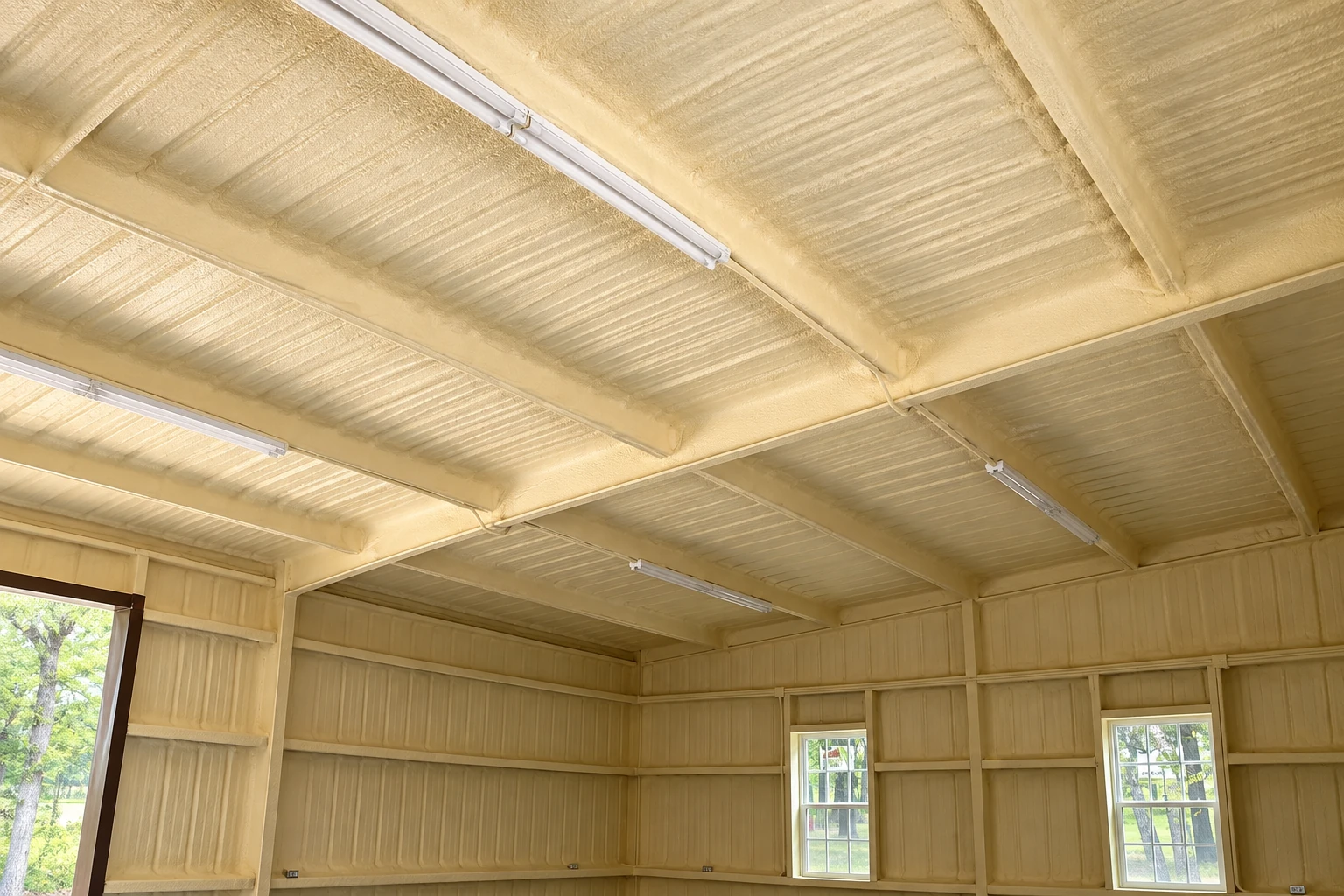
Foam seals air and insulates in one pass, but it costs more. We usually recommend it when the ductwork runs through the attic and needs that extra protection.
South Whittier Insulation and Spray Foam is an insulation contractor working in West Whittier-Los Nietos, CA. We seal attic gaps, clear out old dirty insulation and add new attic, wall and crawl space insulation so rooms hold their temperature.
West Whittier-Los Nietos sits between Whittier and Pico Rivera, a short drive from our base in South Whittier. It's an unincorporated community, so Los Angeles County is the local government here, not a city hall. Most homes are lived in by their owners, with a fair share of rentals, so we hear from landlords and property managers as well as homeowners.
Most calls here start with a room that won't hold its temperature, a drafty hallway or a power bill that keeps climbing. Many of these attics have had insulation added more than once over the years, so before we add anything I check how many inches are already up there and whether the old layer is clean. The price turns on how much has to come out, how many gaps need sealing and how big the attic is. The schedule turns on the same things, plus how easy the attic is to get into. I'll lay all of that out at the estimate, so you know exactly what you're paying for before we start.
We close the gaps around can lights, pipes and the attic hatch first, because new insulation laid over a draft just lets the air keep moving through it.
If what's up there is soaked or full of droppings, it comes out before anything new goes in, so the smell and the moisture leave with it.
We keep insulation off the vents at the edge of the roof, because a buried vent stops the attic from breathing and moisture starts showing up in the wood.
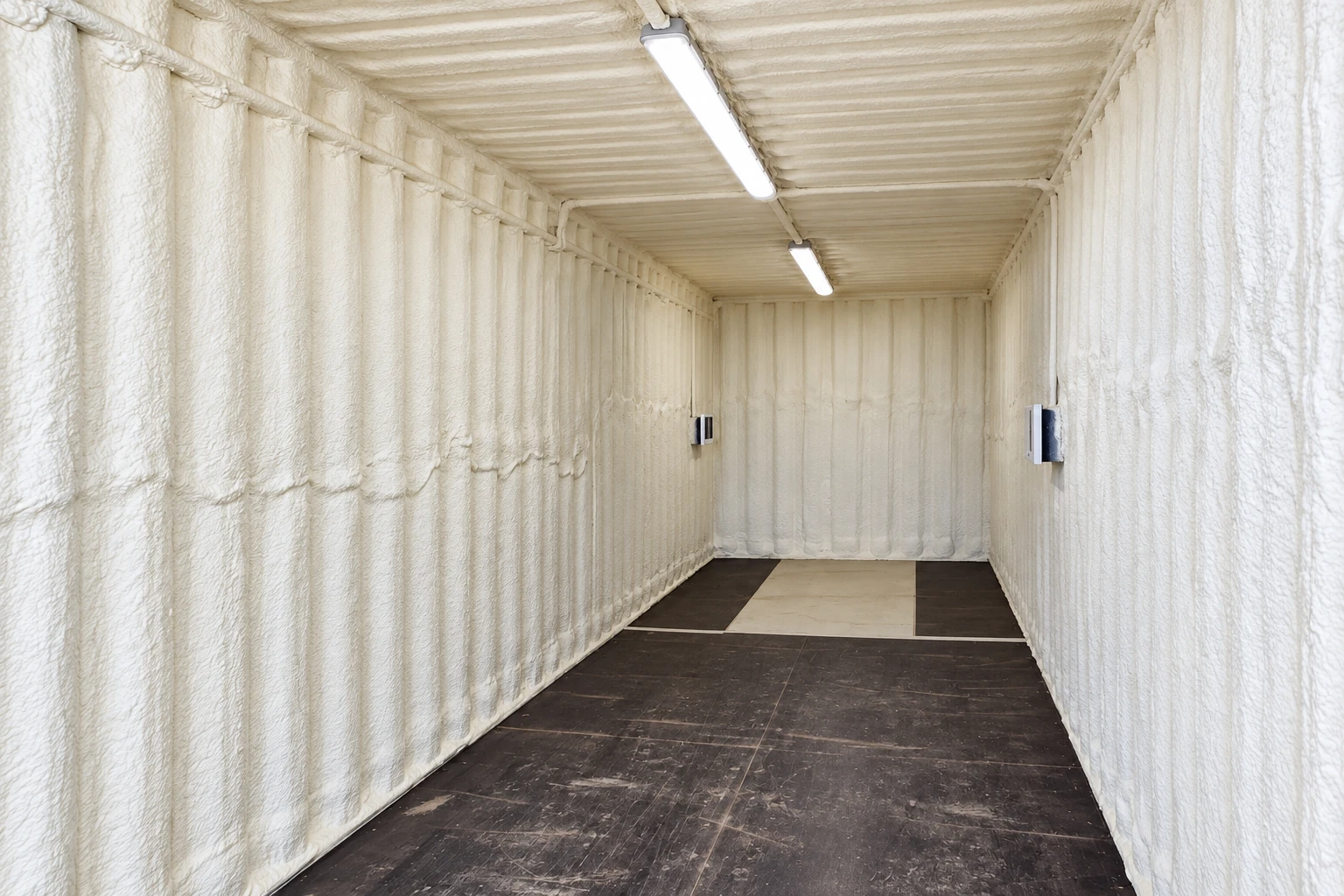
Foam seals air and insulates in one pass, but it costs more. We usually recommend it when the ductwork runs through the attic and needs that extra protection.
We seal the attic first, then spread the new layer evenly out to the edges, where coverage usually ends up thinnest on a rushed job.
Blown-in insulation is loose fill blown through a hose. It's the usual way we top up an attic that's gone thin, and it settles into corners batts can't reach.
When several rooms feel off, I look at the whole house, attic, walls and floors, and tell you which part to fix first and why.
We vacuum old loose fill out through a hose into bags outside, so it doesn't get dragged through your rooms, and leave a clean attic floor for the new layer.
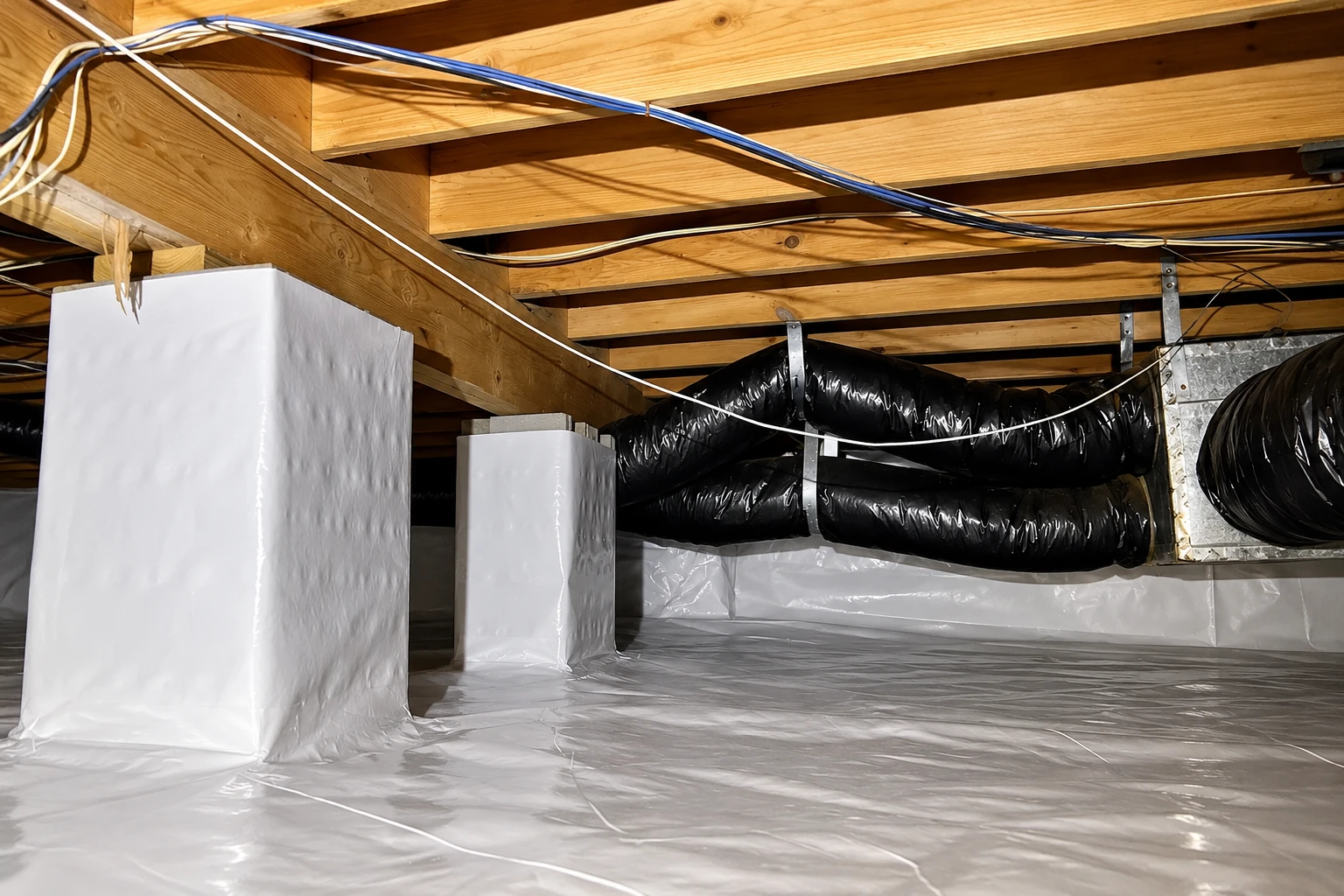
For houses with a crawl space under the floor, we insulate between the floor joists, so cold floors and drafts coming up through the boards ease off.
Many older walls have little or nothing inside them. We fill them through small holes and patch them, so you keep your drywall and siding.
Air sealing means closing the cracks where inside air leaks out, around pipes, wires, fixtures and doors, before or alongside any new insulation.
Not many houses around here have a basement, but when yours does, we insulate the walls and the rim so the room down there stays usable.
Closed-cell foam is the dense kind that also blocks moisture. It suits spots where dampness is the worry, like a crawl space or a wall against the ground.
Open-cell foam is lighter and softer, and it fills odd-shaped cavities well. We use it under roof decks and in walls where moisture isn't the concern.
For small shops, offices and rental buildings, we work out a schedule with you and your tenants, so the space can keep running while we're up top.
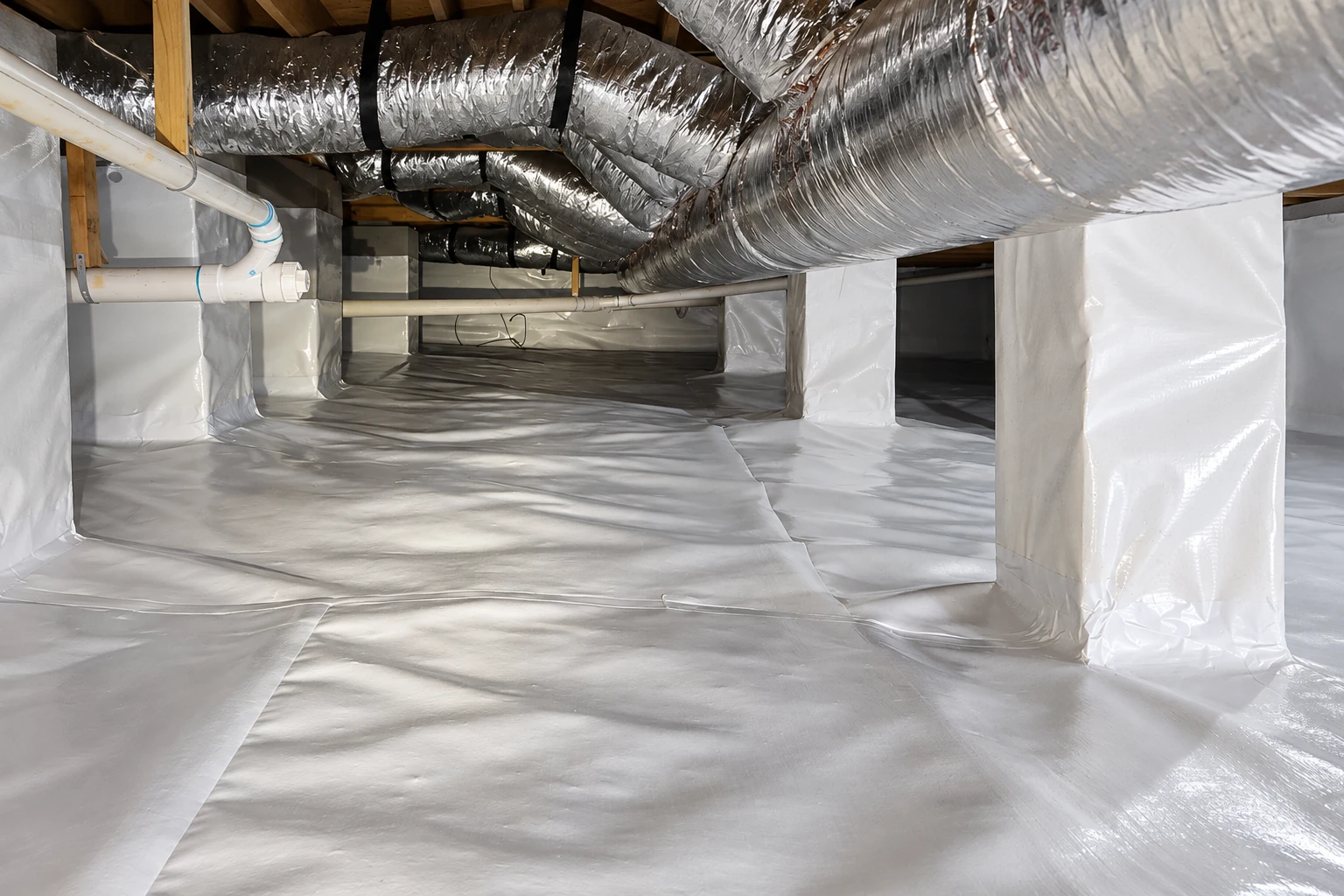
A heavy plastic sheet laid over the bare dirt under the house keeps ground moisture from climbing into the floor framing and the insulation above it.
We add vapor barriers where moisture would otherwise move into insulation, mostly crawl spaces and some walls, and we'll tell you plainly when a spot doesn't need one.
We seal the tops of interior walls, wiring holes and duct openings, the places where your heated or cooled air slips into the attic without anyone noticing.
This is insulation added to a house you already live in, without tearing it apart. We work through the attic, small wall openings and the crawl space.
Send the form and we'll reply within one business day to set a time. I come out, look at the attic and anything else that's bothering you, and write the estimate there. It's free, with no obligation.
I started out hauling bags up attic ladders for another crew and opened this business in 2013, so I've seen most of what an old attic can hide.
Call (562) 358-3003 and you'll usually reach me, so you can describe what's going on and get a straight answer on whether a visit makes sense.
The estimate spells out what comes out, what gets sealed and what goes in, so you can read through it and decide before any work starts.
Here are straight answers to the permit and licensing questions that come up before an insulation job starts here.
LA County Public Works issues building permits here, because West Whittier-Los Nietos is unincorporated County land. Its permits cover alterations, repairs and replacements on existing homes, and you can start on the County Public Works permits site. Before work starts, we check what your job calls for, and if it needs a permit, we handle the paperwork.
Check with the County before the roofer starts, because it lists fixing a roof among the work its permits cover. If I find a leak at the estimate, I'll tell you to get the roof fixed first, since new insulation over a leak just soaks up the water and hides the problem. Once the roof is done, we'll insulate.
Yes, if the job needs a building permit, uses employees, or costs $1,000 or more in labor and materials, counting every contract on the project. That rule comes from the California Contractors State License Board, which licenses anyone who builds or alters structures in the state. We're licensed and fully insured.
The first inspection has to be requested within 12 months of the County issuing the permit. After that, follow-up inspections are scheduled every 6 months to keep the permit active, so a permit can't just sit open. When one of our jobs needs a permit, we line up the inspections, so you don't have to track those dates.
These are the cities with their own page on our site, but they aren't the only places we work. If yours isn't listed, call and ask.
Send the form or call (562) 358-3003, and tell me how many inches you see through the hatch so I come ready.