
Musty smell or damp floors
If the floors over the crawl space feel damp or the house smells musty, moisture from the dirt may be working its way up, and a sheet over the ground is where we start.
Musty air, damp floors or a torn old sheet under your house? We stop the water first, then lay a new barrier over the crawl space floor.
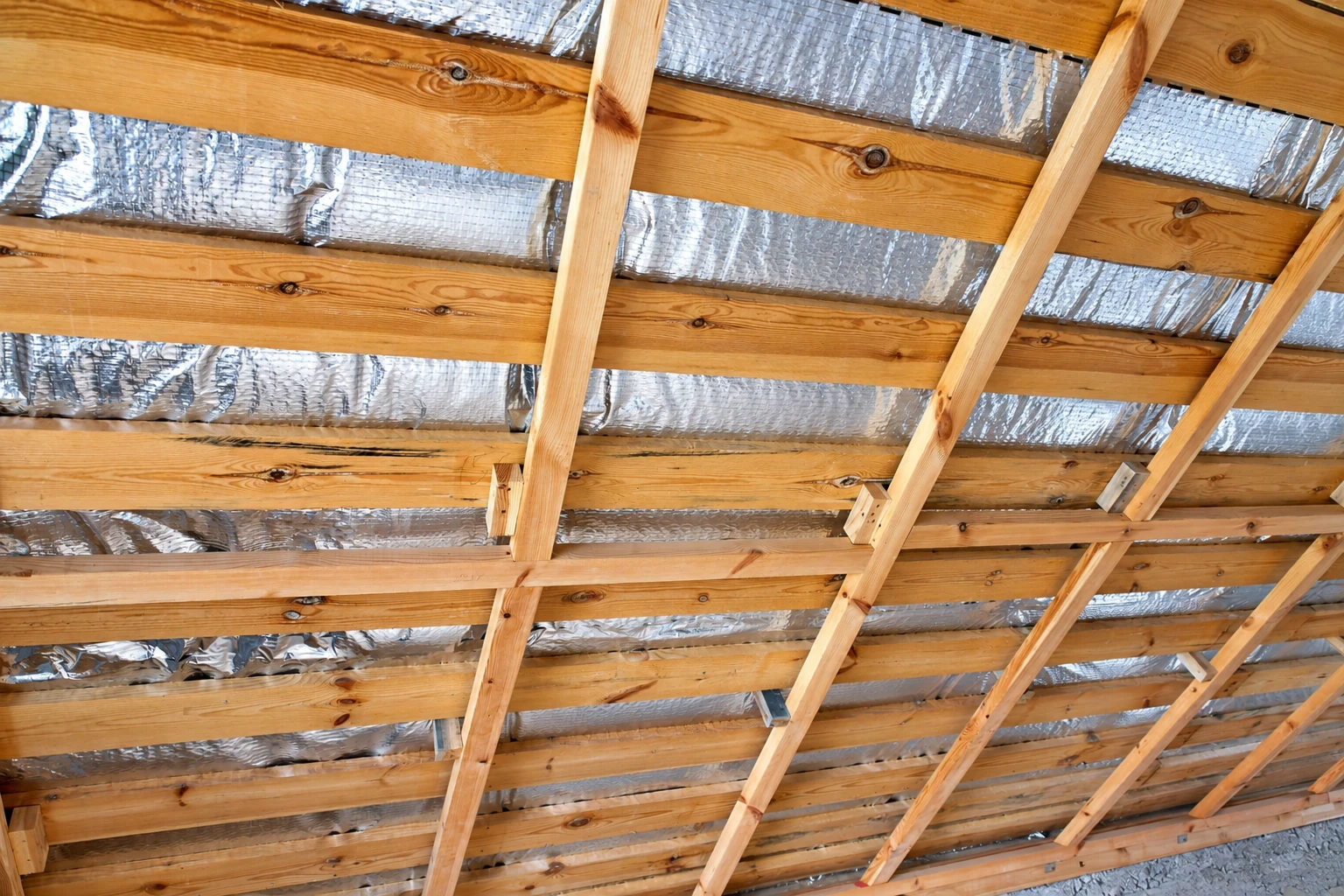
Vapor barrier installation in South Whittier means laying a heavy plastic sheet over the dirt floor of your crawl space, the low space under a raised floor, so moisture in the ground stays there instead of rising into your house.
Most calls about a crawl space start with a musty smell, floors that feel damp, or an old sheet down there that's torn and pushed into the corners. The price moves with the size of the crawl space, how much old plastic has to come out, whether a water problem needs fixing first and how heavy a sheet you choose. The schedule mostly turns on that water, because nothing goes down until it's stopped, and on how fast the space can be cleared out. Before work starts we check which building office covers your address, and when a job needs a permit we handle the paperwork and line up the inspections. Your estimate puts a number on all of that for your house.
I come out, crawl in and write the estimate myself, and our crew lead runs the install while I check in, so the person who saw your crawl space stays on the job.
I want you to know exactly what you're paying for before any work begins, so we go over the steps and the sheet you've picked before the crew shows up.
We've done insulation work since 2013, and we're licensed and fully insured. If your job adds insulation too, that part falls under the state's insulation contractor license class.
The first thing I look for is standing water, because a barrier laid over a wet floor just hides the problem, so a leak or drainage issue gets stopped at its source and the repair becomes part of the plan. Then our crew pulls the old sheet and clears out the sharp rocks that would punch holes in new plastic. Before anything goes down, I walk you through the lighter and heavier sheet options so you pick knowing what each one gives you. Then we lay the new sheet and clean up before we leave.
A crawl space barrier often pairs with work higher up in the house. The attic is the other place most homes lose air, so we often follow up with attic air sealing, closing the gaps around can lights, pipes and the hatch before new insulation goes in. If an older house is short on insulation overall, retrofit insulation adds it to walls and floors that are already built.
If the floors over the crawl space feel damp or the house smells musty, moisture from the dirt may be working its way up, and a sheet over the ground is where we start.
A sheet that's ripped, bunched in the corners or only covers part of the floor isn't doing much, so we pull it out and lay new rather than patching over it.
Once a plumbing leak or drainage problem under the house is fixed, a new barrier goes down over the dried floor so the space starts over clean instead of holding old damp.
If you're planning insulation under the floor, the barrier goes in first, because new insulation sitting over damp ground soaks it up and just hides the problem.
Send the form and we'll get back to you within one business day to set a time. I come out, look at the crawl space and write the estimate myself, free and with no obligation.
Mention puddles, damp spots or a leak you know about, because water is the first thing I look for and fixing it changes what the job includes.
Let us know whether the small vents around the base of your house are open or closed off, since that helps me plan the job before I come out.
Tell us if there's old plastic, insulation or stored boxes in the crawl space, because all of it has to come out before the new sheet goes in.
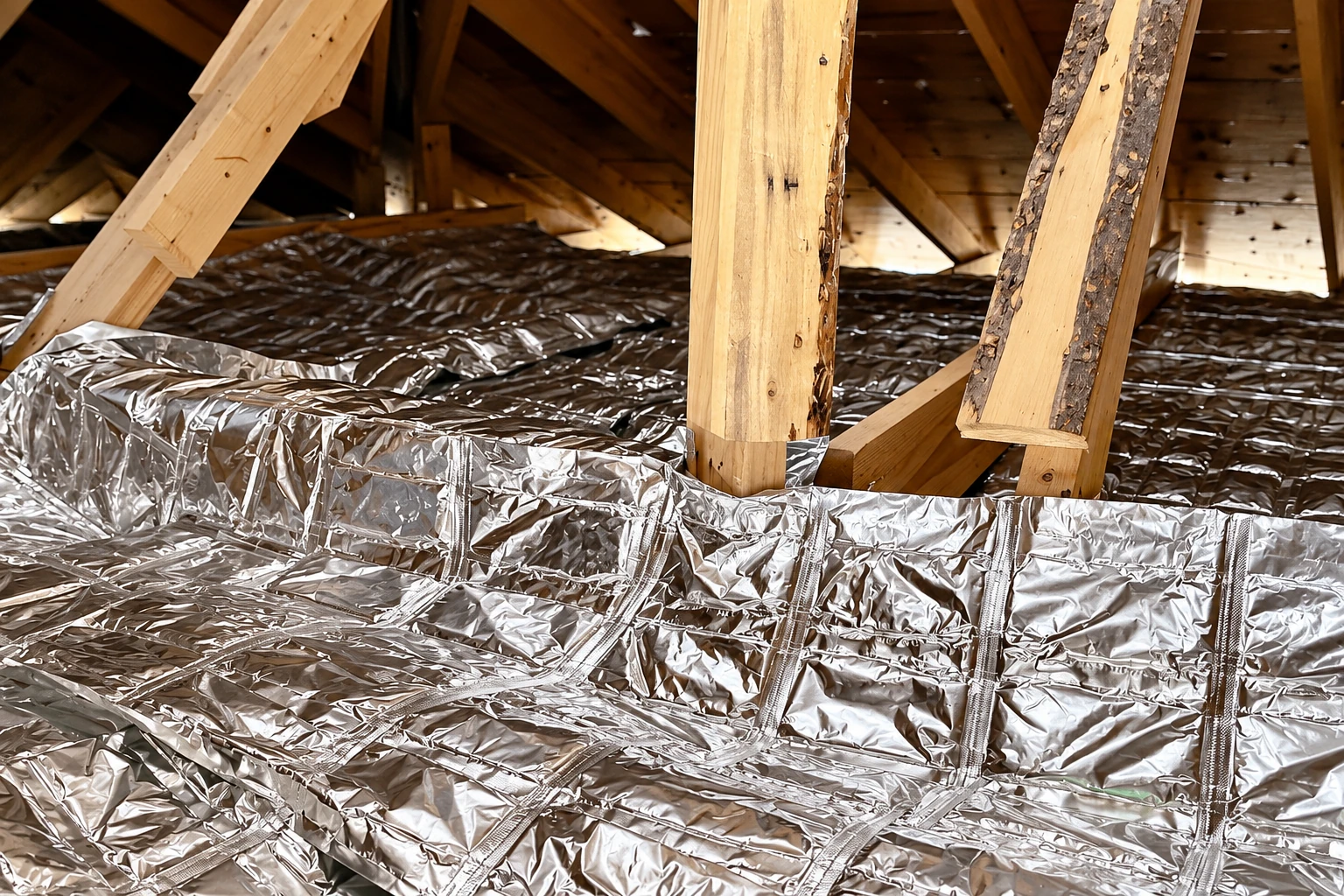
These photos show lighter and heavier sheets, taped seams and sheets run up foundation walls, so you can point to what you like.
Here's what homeowners usually ask about crawl space barriers, from what the sheet does to who issues building permits in South Whittier.
It keeps moisture in the ground from evaporating and drifting up into your house. The sheet lies over the dirt floor under a raised floor, and when it's put in well it also helps hold down soil gases like radon.
By one national guide's estimates, a 6-mil contractor grade plastic sheet lasts about 3 to 5 years and a 20-mil reinforced barrier lasts 25 years or more. Federal weatherization guidance treats 6 mil as the thinnest sheet to use. The heavier sheet costs more up front, and you replace it far less often.
Yes, federal guidance calls for covering the whole floor, or as close to it as you reasonably can, with the sheet carried up the walls, columns and footings. A bid that covers only part of the floor falls short of that. If your crawl space is closed off from outside air, the seams and pipe openings get sealed too.
Clear out everything stored in the crawl space before the crew comes, because the work starts with an empty floor, so plan a little time for it. If the plan seals your foundation vents, ask how your heating and cooling system will get its makeup air, the outside air it pulls in, because the vents have to stop being its air supply first.
For homes in unincorporated Los Angeles County, the county's Public Works department issues building permits, and its South Whittier District Office processes them. If your property falls under another office, your address decides where you apply. A job that adds plumbing, electrical or mechanical work may need separate county permits too. We check which office covers your address before we start.
I still answer the phone myself and we take calls seven days a week, so call (562) 358-3003 or send the form.