
Upstairs rooms that run hot
When the bedrooms upstairs stay hot long after the sun's down, the attic above them is usually short on insulation or leaking air through gaps nobody sealed.
Upstairs rooms that run hot and a power bill that won't come down usually trace back to the attic. We seal the gaps, then insulate.
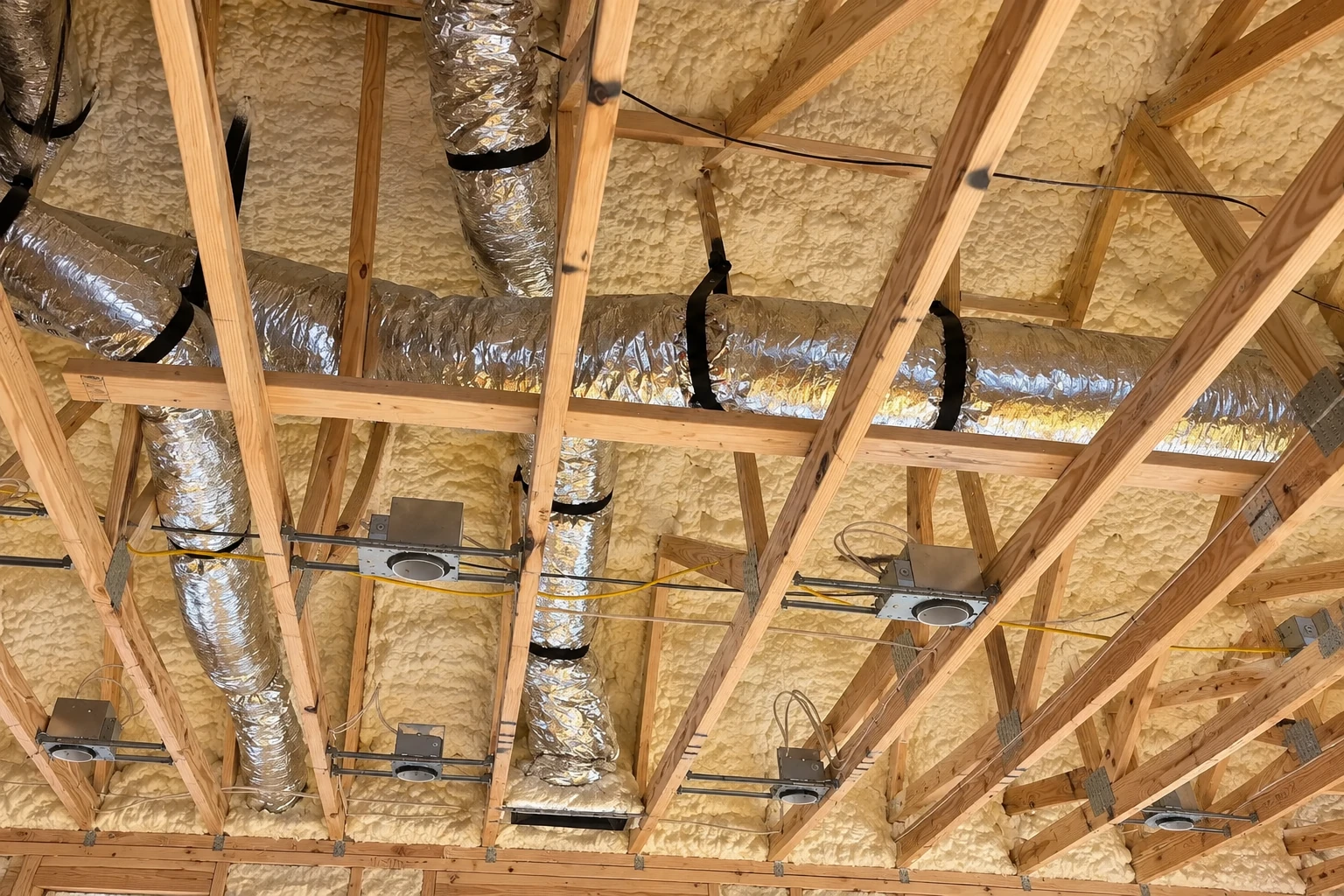
Attic insulation in South Whittier is loose-fill or batts laid across your attic floor so the rooms below stay comfortable and your heating and cooling don't have to work as hard, and we seal the air leaks before any of it goes down.
Most calls start the same way. An upstairs bedroom won't stay comfortable, the hallway feels drafty, or the old insulation up there is worn out. The price turns on your attic's square footage, how many inches are already there, how easy it is to get around in, and whether old material or a roof leak has to be dealt with first. Those same things set the schedule, since a repair or a test has to be done before we insulate, and you'll get your own figure once I've been up there.
I come out, crawl the attic and write the estimate, so you know exactly what you're paying for before we start. Our crew lead runs the install and I check in on it.
California gives insulation work its own contractor classification, the C-2, so it's fair to ask any company you're comparing which license it holds. We're licensed and fully insured.
I started as a helper hauling bags up ladders and feeding hose into attics, then opened this business in 2013, so I know each step of this job from the ground up.
Before I quote an attic, I look for roof leaks, old pebbly insulation and bath fans venting into the attic, because those get handled before anything new goes down. Federal attic guidance also says to hold off when there's live knob-and-tube wiring, the old kind strung on ceramic knobs, or an unvented gas fireplace or kerosene heater in the house. On install day our crew lead starts with air sealing, closing the gaps around can lights, pipes, wires and the hatch, so the new insulation isn't fighting a draft. We keep insulation back from flues and other hot equipment, leave the eave vents open so the attic can breathe, and fill the edges as deep as the middle, since thin edges are where most attics come up short. We clean up after, I check the work, and it's satisfaction guaranteed.
We usually price blown-in insulation first, loose fill blown through a hose, and show you batts next to it so you can compare them on the same attic. Foam costs more and seals air as it insulates, but for most attics sealing the gaps and topping up loose fill is the better buy, unless your ductwork runs through the attic. If the attic is only part of the problem, our home insulation work covers the walls and crawl space too.
When the bedrooms upstairs stay hot long after the sun's down, the attic above them is usually short on insulation or leaking air through gaps nobody sealed.
A room over the garage has unheated space under the floor and the attic overhead, so it's usually the first room in the house to feel drafty or stuffy.
If what's up there is flat, dusty, soaked or full of droppings, it has to come out first, because new insulation laid on top just hides the problem.
In an older house there are often just a few inches left up there, packed down over the years, and bringing it up to an even depth is what makes the difference.
Send the form and we'll get back to you within one business day to set a time. I'll come out, look over the attic and write your free estimate, with no obligation to go ahead.
If you know the attic's square footage and where the hatch is, whether in a closet, the garage or a hallway, tell us, since that helps us plan the visit.
Mention any ceiling stains or drips, pebbly old insulation, or fans that seem to vent into the attic, because those change what has to happen first.
Let us know if you have recessed ceiling lights and whether they're IC-rated, meaning rated for contact with insulation, since those are the ones that can be covered with it.
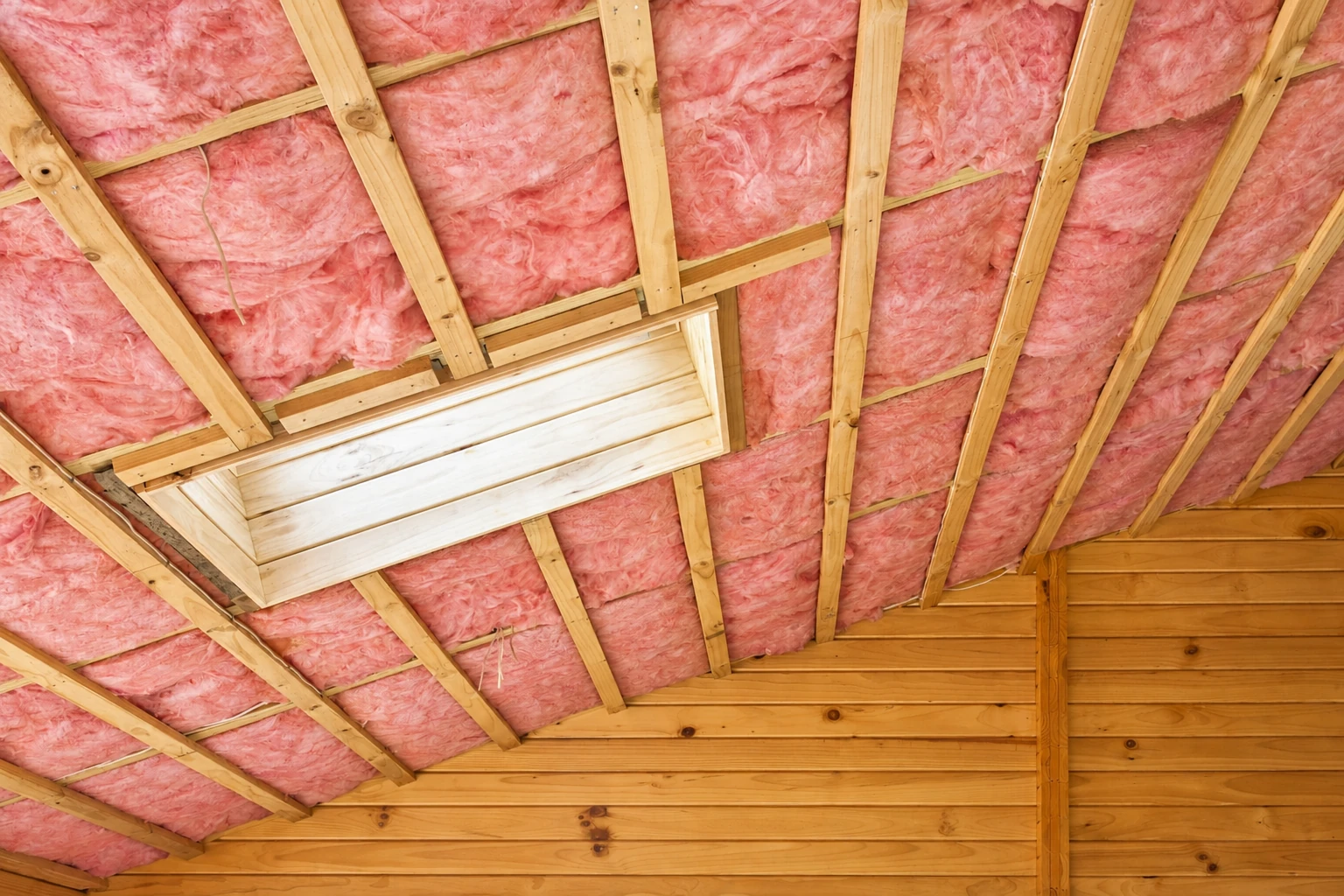
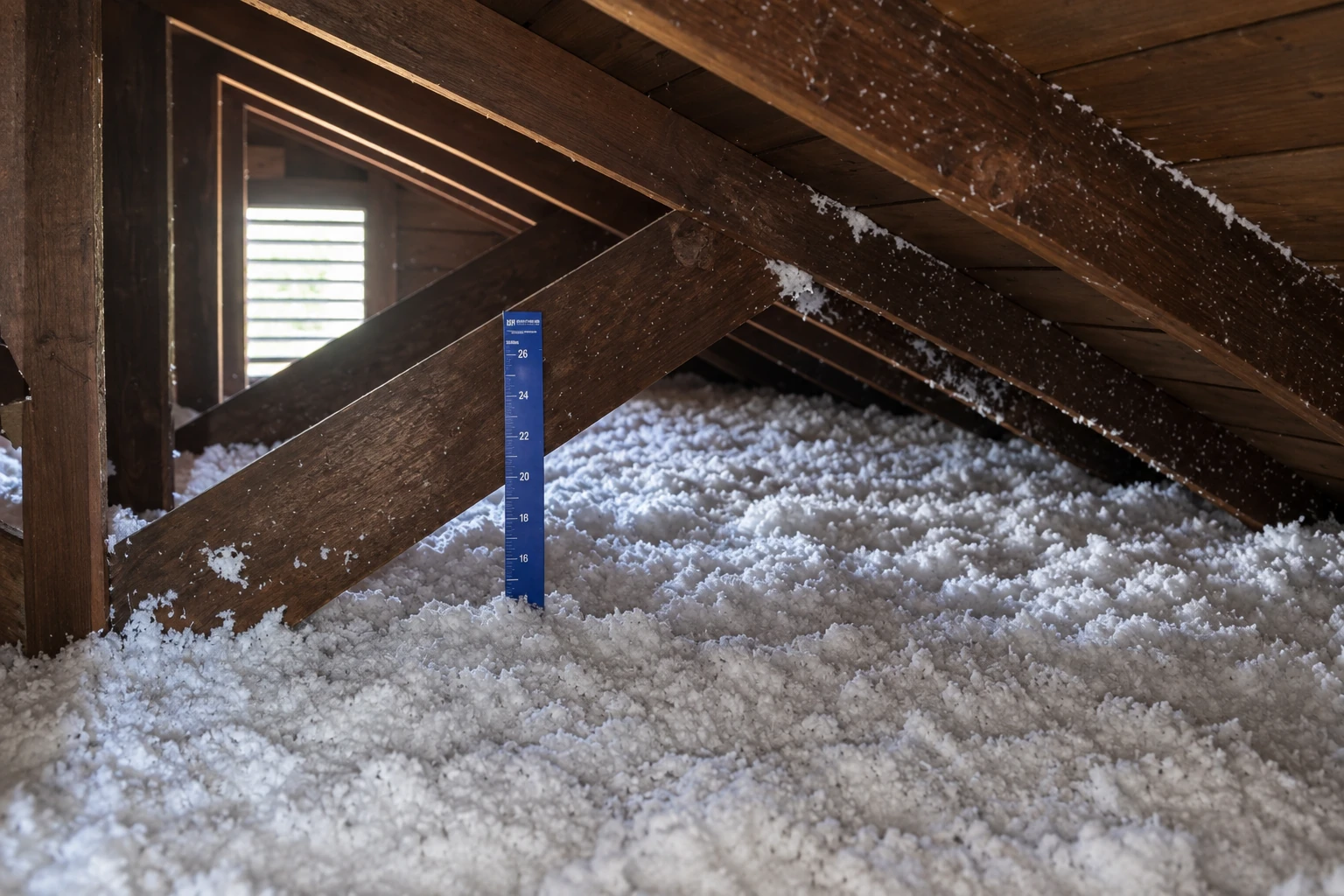
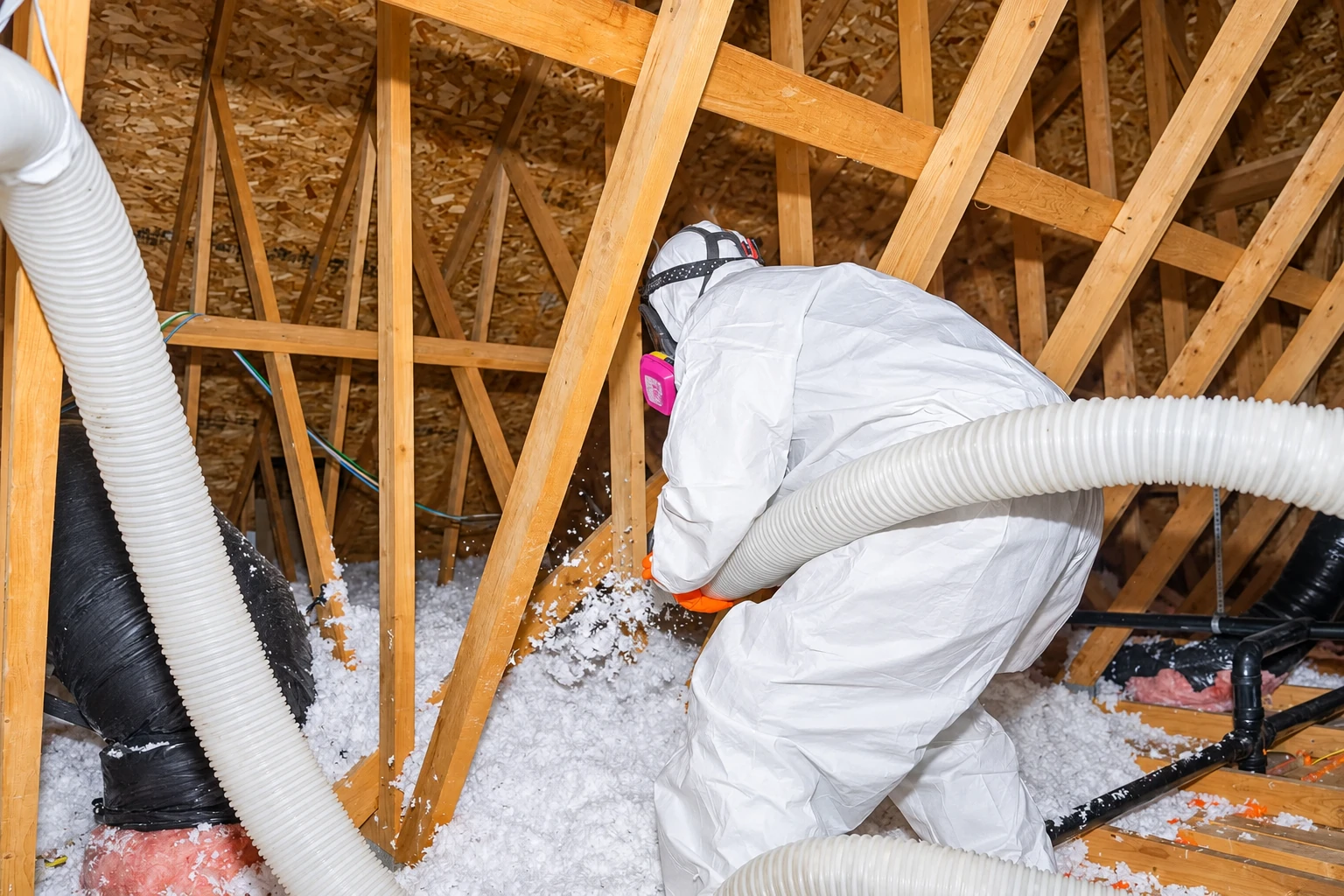
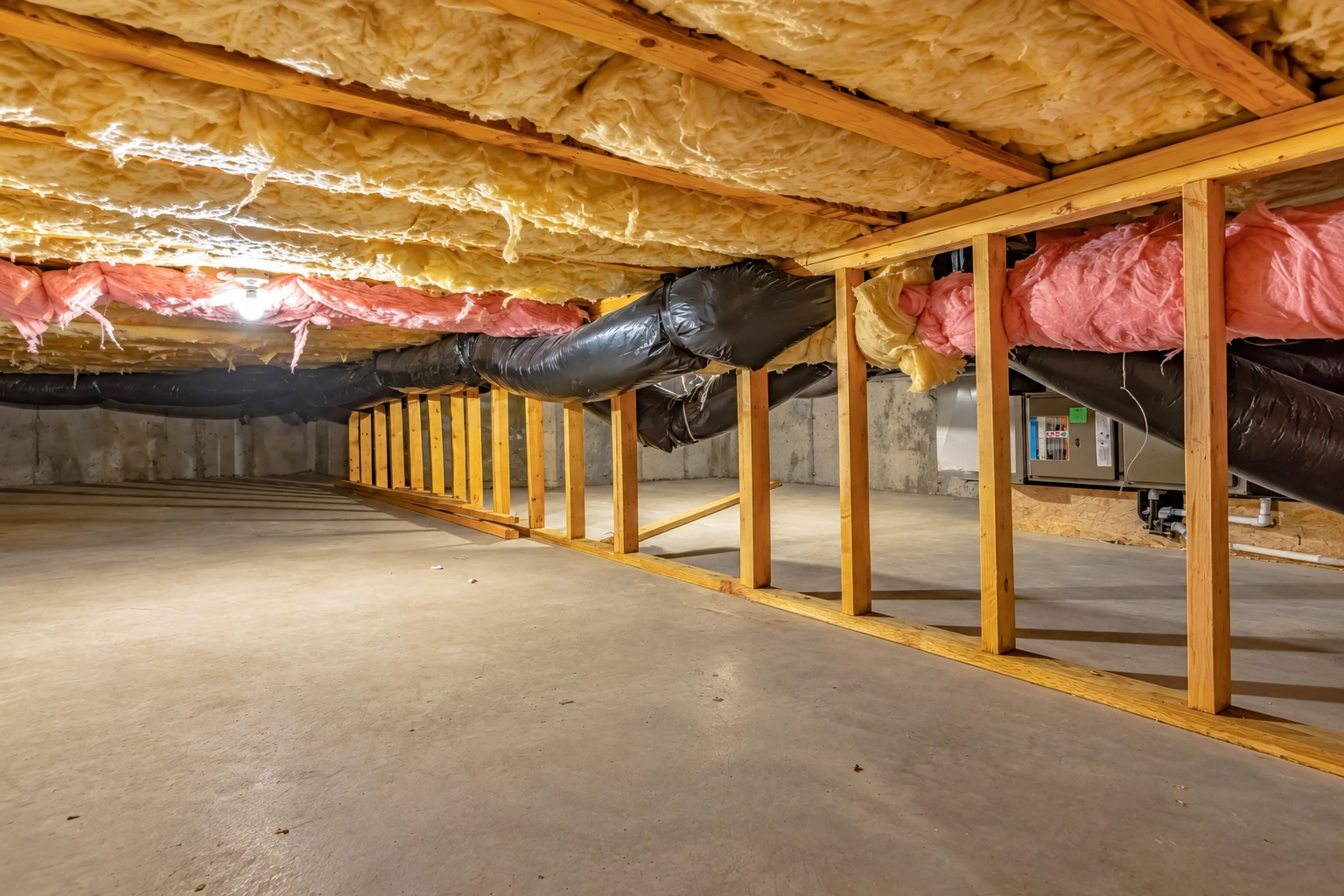
These examples show blown-in fill, batts between the joists and sealed hatch openings, so you can point to what you'd like in your attic.
Straight answers to what people ask me most about attic insulation, from cost and materials to old insulation and permits.
Attic insulation installation in the Los Angeles area usually costs about $1 to $4 per square foot. Most of the spread comes from the material you pick and how much prep the attic needs before anything goes down. I'll give you your own number after I've been up in your attic.
For most attics, yes. Blown loose fill, whether fiberglass, rock wool or cellulose, usually costs less than batts and covers better, because it settles around joists, wires and odd corners where batts leave gaps. Installation costs still vary from house to house, so it pays to see both priced on your own attic.
Leave it alone for now. Vermiculite is pebbly, pour-in insulation, usually gray-brown or silver-gold, and the EPA recommends leaving it undisturbed because disturbing it can release asbestos fibers you could breathe in. If you choose to remove it, the EPA says a trained, accredited asbestos abatement contractor should do it, separate from whoever assessed it. We won't insulate over it until that's settled.
If your property is in unincorporated LA County, LA County Public Works issues your permit through its South Whittier District Office at (562) 946-1390. If your address falls outside the county's jurisdiction, another office may handle it. The county tells owners to ask their local office what a project requires, so we check that and handle the paperwork when one's needed.
You can if the attic is easy to get into and move around in, which is when ENERGY STAR guidance treats air sealing and adding insulation as do-it-yourself work. Tight attics, low roof lines and hard-to-reach hatches are a different story, and that's where having me come look first helps you decide.
That same do-it-yourself guide says the attic sealing and insulating projects it covers can usually be finished in a day or two. Ours depends on the attic's size and access and on whether a roof repair or old insulation has to be handled first, and I'll tell you what to expect when I come out.
I still answer the phone, seven days a week, so call (562) 358-3003 or send the form and we'll set a time.