
Spray foam insulation
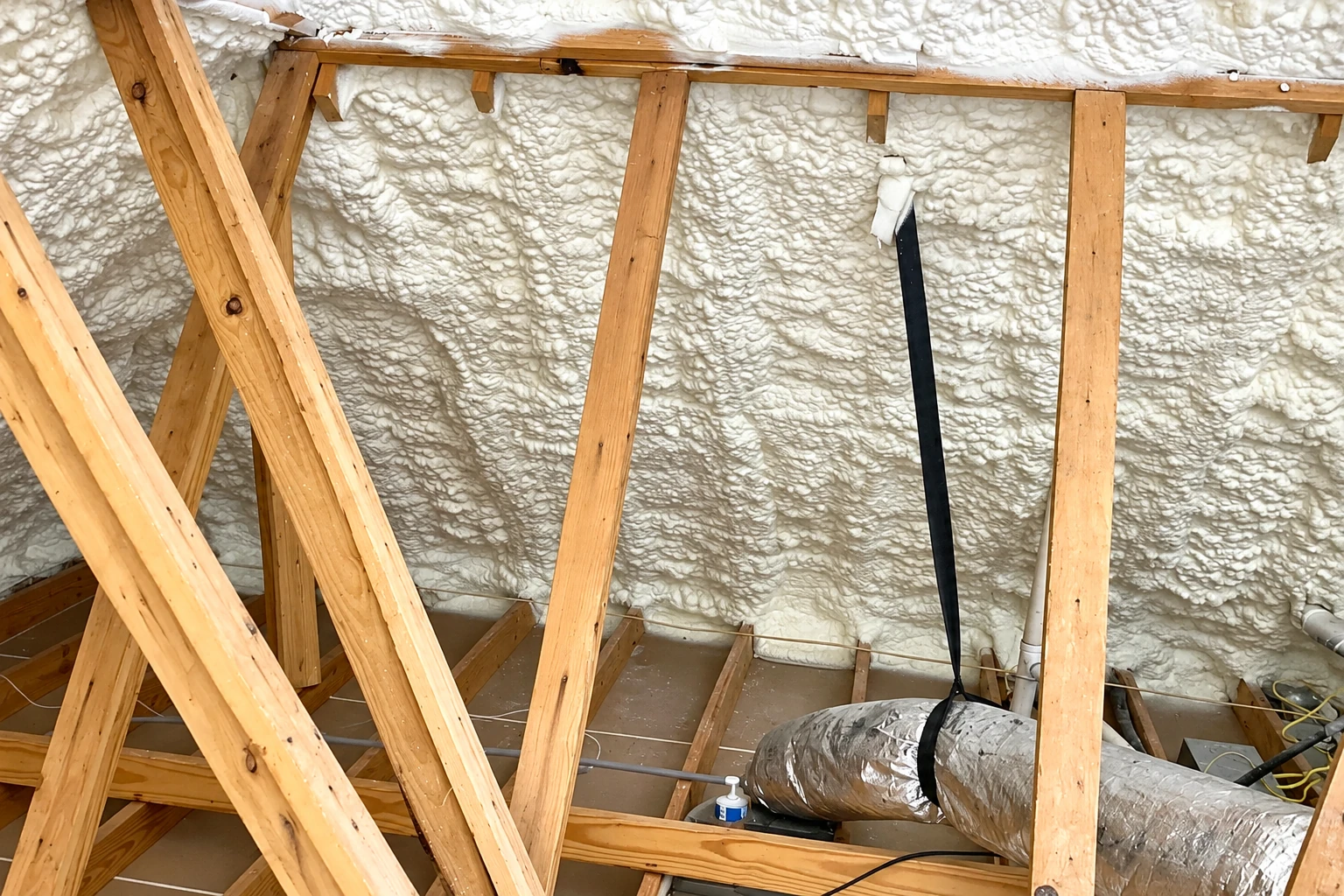
Foam seals air and insulates in one pass. It costs more than loose fill, and it earns that when ductwork runs through the attic or the space is hard to reach.
South Whittier Insulation and Spray Foam is an insulation contractor working in Pico Rivera, CA. We seal attic gaps, clear out worn or dirty insulation, and add blown-in or spray foam so rooms hold their temperature.
Pico Rivera is one of the cities around South Whittier where we take jobs, along with Downey and Santa Fe Springs. Most of what we work on here is single-family houses, many of them older, and the calls sound familiar. There's a back bedroom that never gets comfortable, a room over the garage, a power bill that keeps creeping up, or attic insulation that's gone flat, gray and dusty.
The price turns on what's already up there, how many inches, whether it can stay or has to come out, how many gaps need sealing and whether ducts run through the attic. The schedule turns on removal and on any roof or duct work that has to happen first, which can mean a stop at the city's Building Division. In older houses like these the attic usually tells us more than the rooms do, so that's where I start the estimate.
Air sealing, closing the gaps around can lights, pipes and the attic hatch, comes first, because insulation laid over a draft just lets the air keep moving through it.
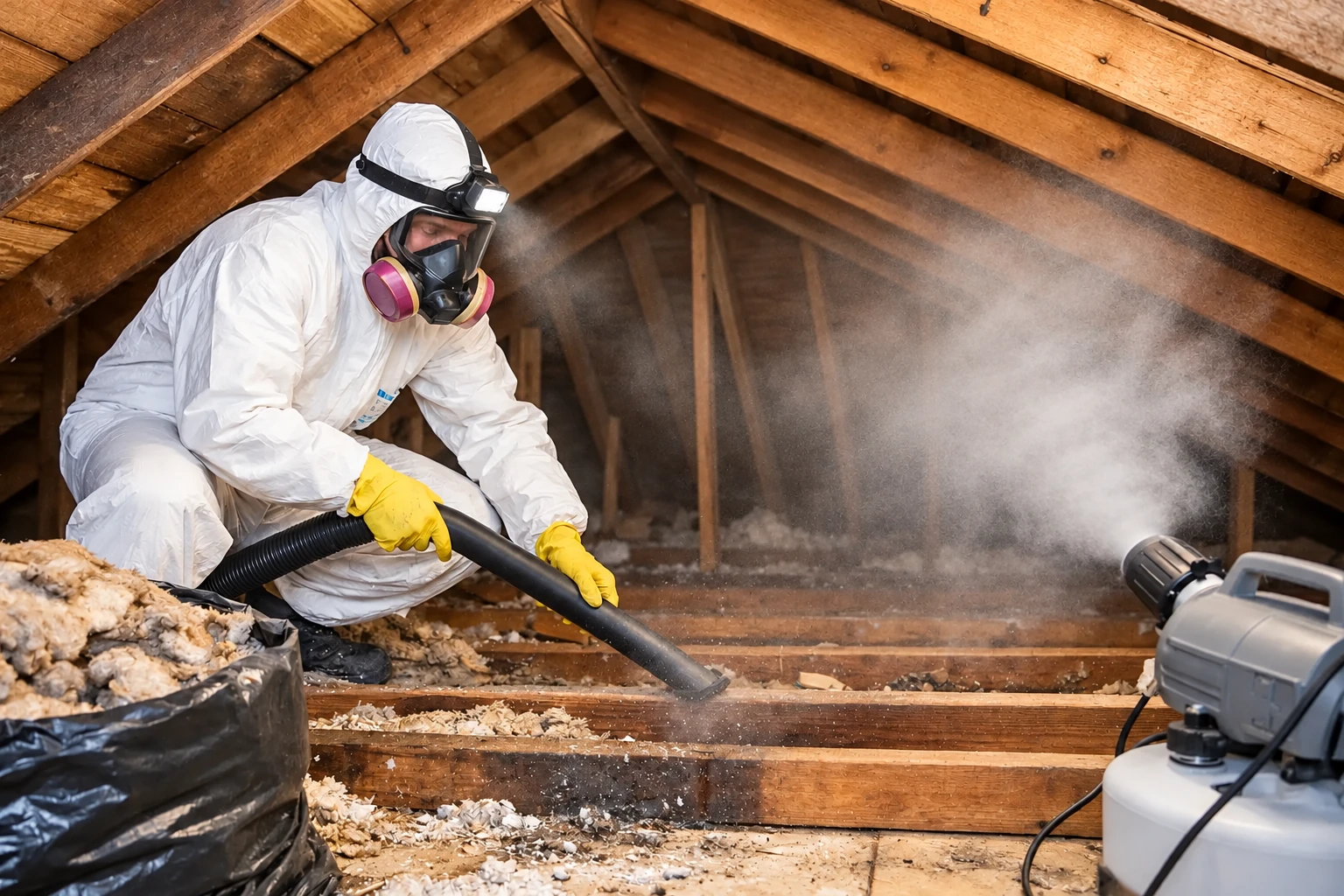
If what's up there is soaked or full of droppings, it comes out first, because topping it up would bury the problem. I'd rather tell you that than take the job.
We keep the vents at the eaves open and fill the edges as deep as the middle, so the attic still breathes and moisture doesn't show up in the framing later.
Foam seals air and insulates in one pass. It costs more than loose fill, and it earns that when ductwork runs through the attic or the space is hard to reach.
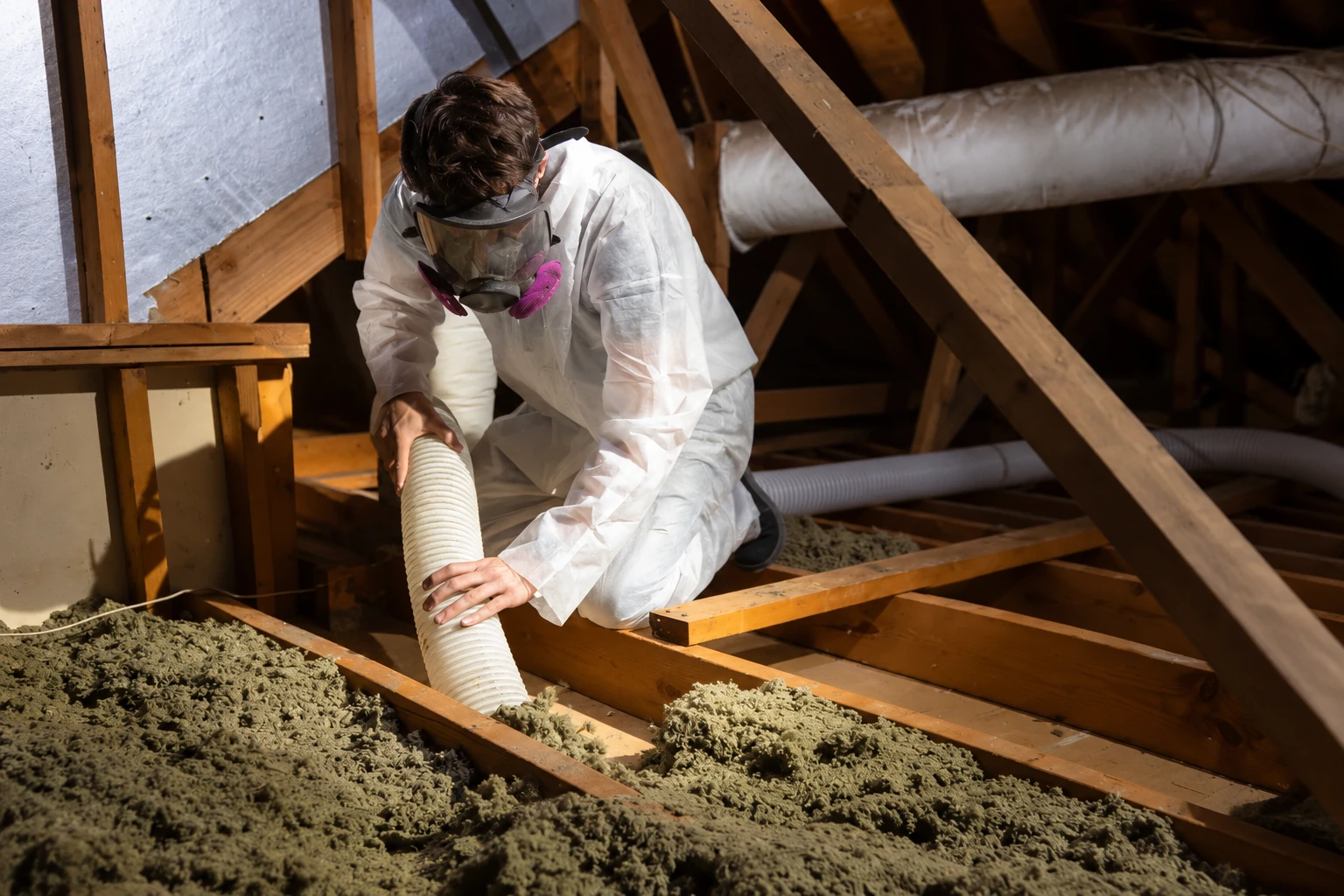
We measure the inches already up there, keep the eave vents clear, and bring the depth up evenly so the edges end up as full as the middle.
Blown-in is loose fill sent through a hose, so it settles into the odd corners and low spots an older attic tends to have without tearing anything open.
When several rooms run hot or cold, I walk the whole house, attic to floors, and tell you which part to fix first and which can wait.
Insulation that's soaked, flattened or full of droppings comes out before anything new goes in, because covering it only hides the problem for a few more years.
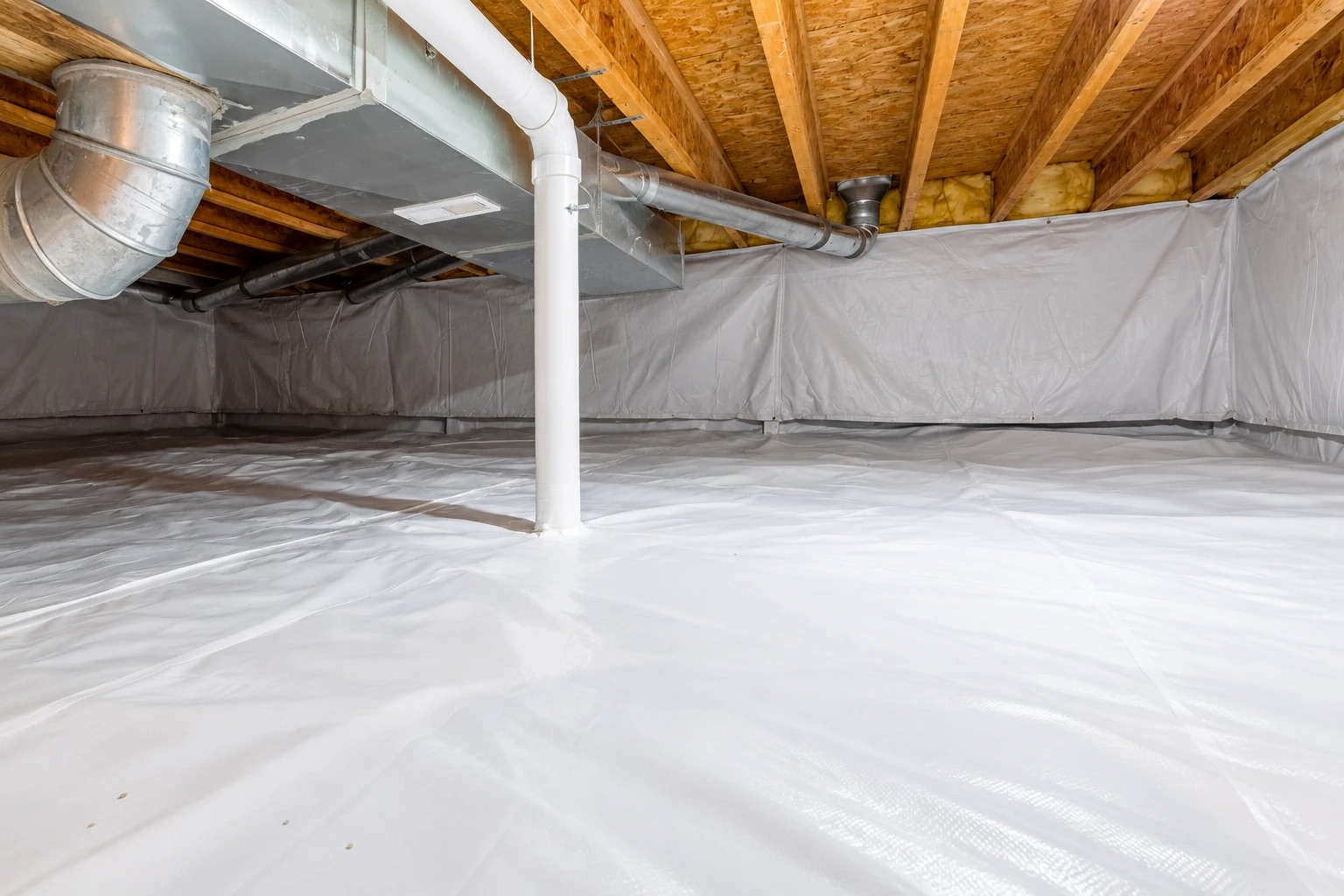
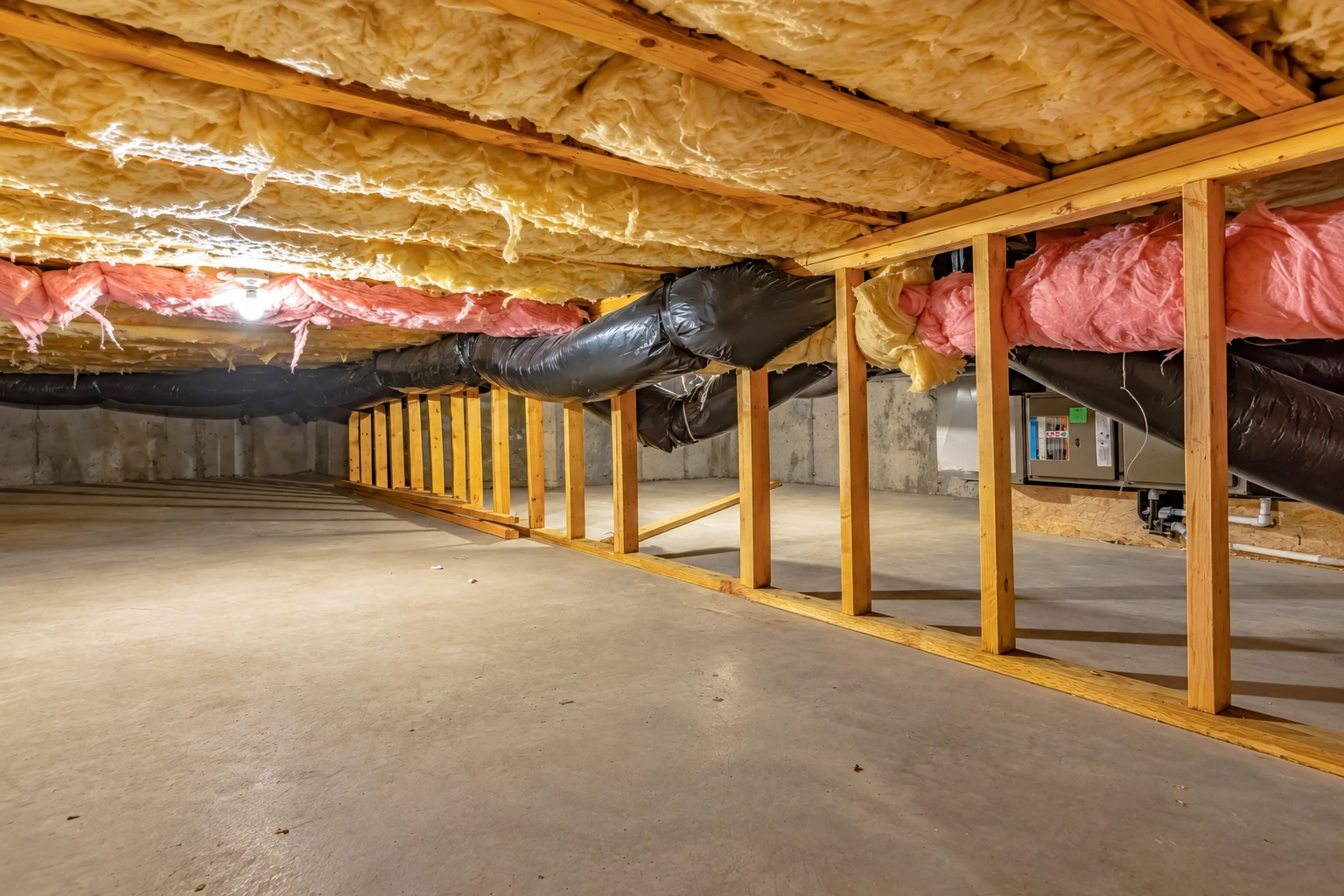
Cold floors over a crawl space usually mean bare framing underneath, so we check for moisture first and then fit insulation that stays put between the joists.
Outside walls in older houses are often close to empty. We fill them through small holes we patch afterward, so you don't have to open up a room.
We close the gaps where air slips through, around pipes, wires, outlets and the attic hatch, which is the step that lets new insulation actually do its job.
Where a house has a basement or a below-grade room, we insulate the walls and the band above the foundation and keep moisture from getting trapped behind it.
Closed-cell foam is dense foam that also blocks moisture, so we use it in tight spaces and damp spots where a thin layer has to do a lot of work.
Open-cell foam is softer and lighter. It fills odd cavities, quiets noise between rooms, and costs less than closed-cell where moisture isn't the concern.
For small shops, offices and rentals, we plan the work around your hours and your tenants so the space keeps running while the crew is up top.
A heavy plastic sheet laid over the crawl space dirt keeps ground moisture out of the floor framing and the insulation, and we seal its seams and edges.
When moisture can move into a wall, floor or ceiling, we put the barrier on the correct side so the water doesn't collect inside the insulation.
Before new insulation goes down, we seal around can lights, pipes, wiring holes and the hatch, so the material isn't fighting a draft from the rooms below.
Adding insulation to a finished house means working around what's already there. We choose the method by whether we can reach the space from the attic, crawl space or outside.
Send the form and we'll reply within one business day to set a time. I come out, look at the job myself and write the estimate, free and with no obligation.
I look at the attic myself and write the estimate. Our crew lead runs the install and I check in on the work, so the person who priced it stays on it.
Before we start you'll see each part of the job, from sealing to removal to new material, and why each step comes in that order.
We're licensed and fully insured, satisfaction guaranteed. I've run this business since 2013, after starting out as a helper hauling bags up ladders.
Here's what Pico Rivera homeowners ask us about permits and timing before an insulation job, answered the way I'd answer at your door.
The city's permit list doesn't name insulation on its own, so don't assume either way. The Building Division I mentioned above handles construction rules for houses here, and it's the office to ask. Before work starts we check what it asks for at your address, and if a permit is needed, we handle the paperwork and line up the inspections.
Yes. Deal with a leaking roof or ducts you're about to replace first, because new insulation over a leak only hides it. In Pico Rivera, re-roofing and HVAC work both go through zoning or plan check review before the city issues a permit, so leave time for that, and we'll schedule the insulation to follow.
A Pico Rivera building permit expires one year after it's issued if construction hasn't started or the work isn't moving forward, according to the city's permit FAQ. Approved plans expire six months after approval if no permit gets issued. That's why I'd rather line up the roof or duct work and the insulation close together than let a permit sit.
These cities have their own pages, but they aren't the only places we work. If yours isn't listed, call (562) 358-3003 and ask.
Call (562) 358-3003 and you'll usually get me, since I still answer the phone, or send the estimate form anytime.