
Dust streaks around vents and lights
Gray streaks on the ceiling around a vent or can light are dust caught by air moving through the gap. Sealing that opening stops the air that leaves them.
Drafty rooms, a hot upstairs or dust coming from the ceiling? We seal the gaps into your attic so your rooms stay comfortable.
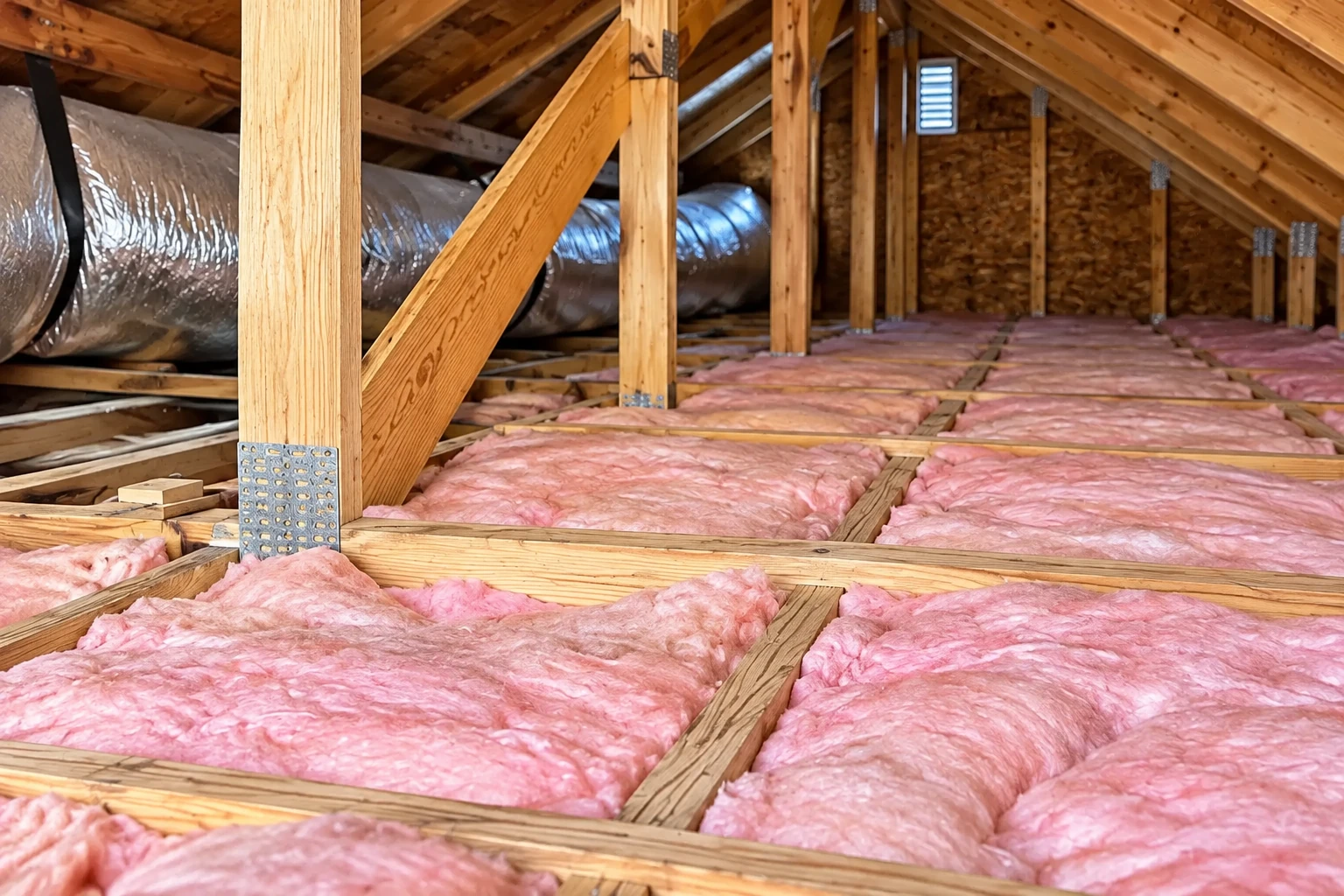
Attic air sealing in South Whittier closes the gaps between your living space and the attic, around light fixtures, pipes, wiring, ducts and flues, so the air you pay to heat and cool stays in your rooms and attic dust stays out.
Most calls start with a room over the garage that won't cool down, a hot upstairs or cold floors in winter, and the cause is usually air slipping through openings into the attic that nobody sealed when the house was built. The price moves with how many openings there are, how easy the attic is to get around in, and whether old insulation has to come out or new insulation goes in after. The schedule mostly turns on anything that needs fixing before we seal, like a roof leak. I look at your attic in person, and the estimate gives you your own figure.
We seal the openings first and insulate after, because new insulation laid over a leaky attic floor just hides the draft. Doing the steps in that order is what we're best known for.
I've run this business since 2013, and I still look at the attic and write the estimate myself. Our crew lead runs the install, and I check in on the work.
Your estimate spells out what we're sealing, what gets blocked in and any insulation work, so you know exactly what you're paying for before we start. Satisfaction guaranteed.
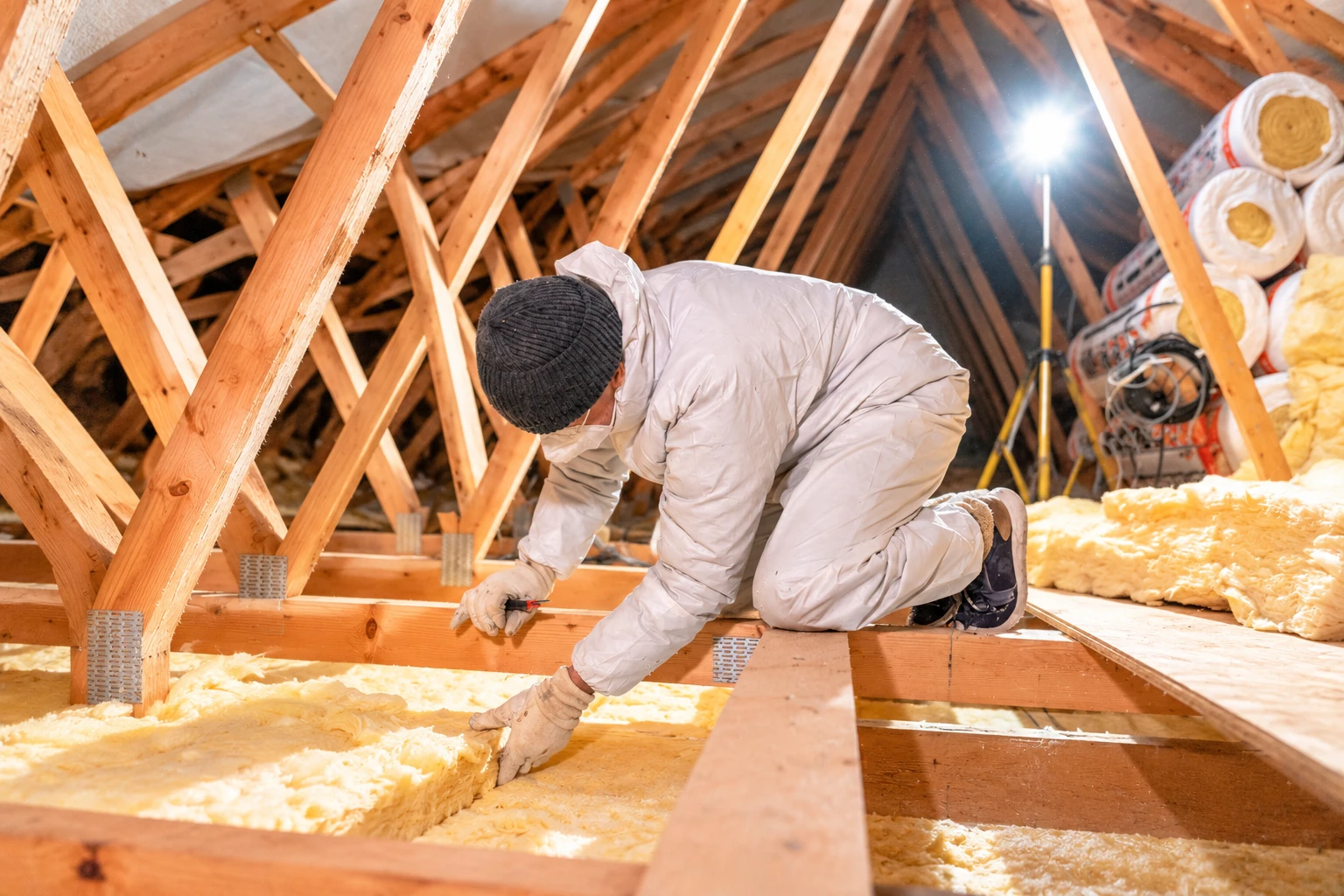
Before we seal anything, I check that nothing up there needs fixing first, because sealing over a problem only hides it. If a gas furnace or water heater vents on its own, we make sure it gets tested before and after we seal. Then our crew moves insulation out of the way and goes after every opening we can reach into your rooms, around can lights, pipes, wiring, the duct boots where vents meet the ceiling, the flue and the hatch. Narrow gaps get sealant or foam, and bigger openings get blocked in solid with rigid board sealed at the edges. The gap around a flue gets high-temperature caulk instead of spray foam, since that pipe runs hot. We keep the eave vents clear so the attic can still breathe, put the insulation back even to the edges and clean up before we go.
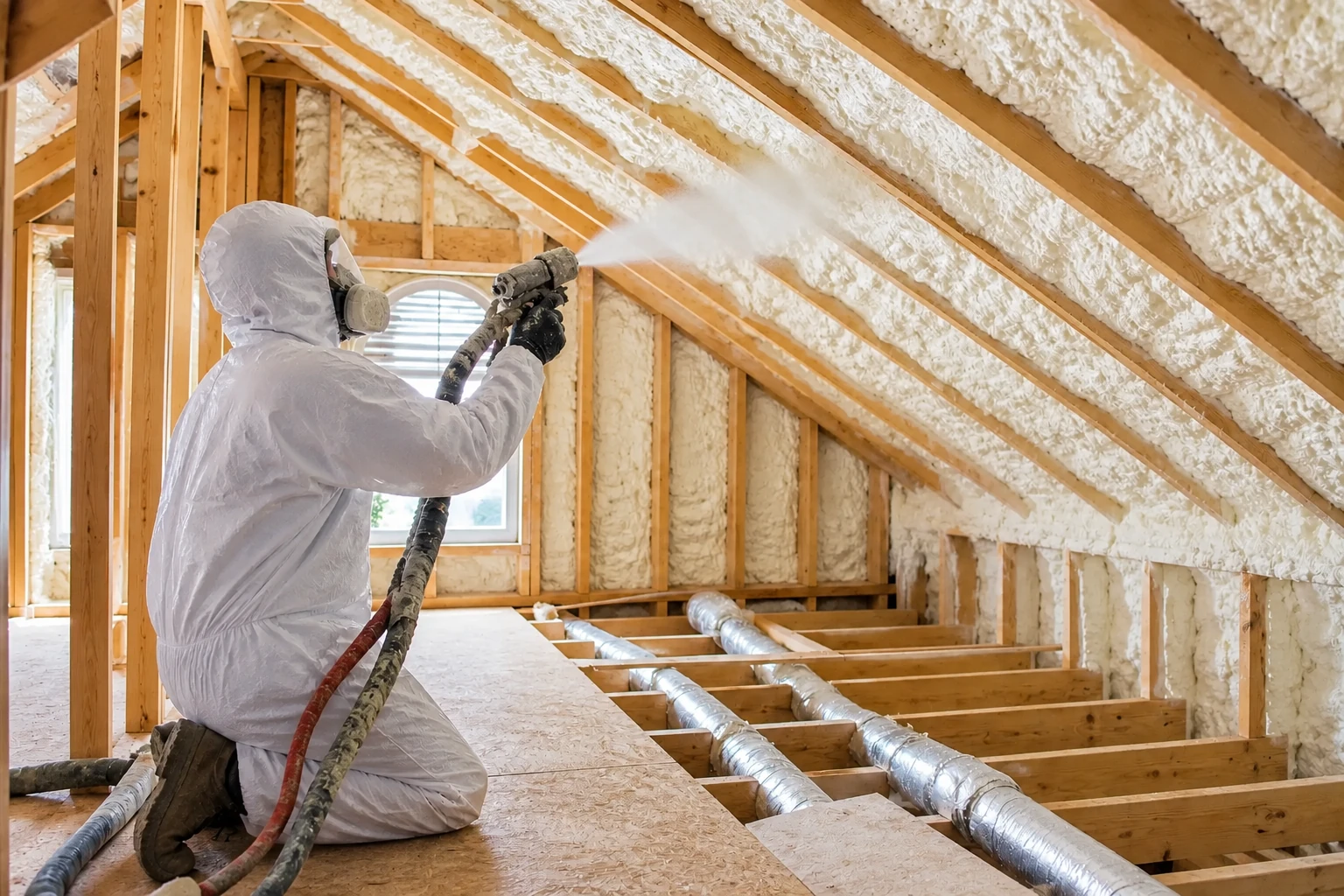
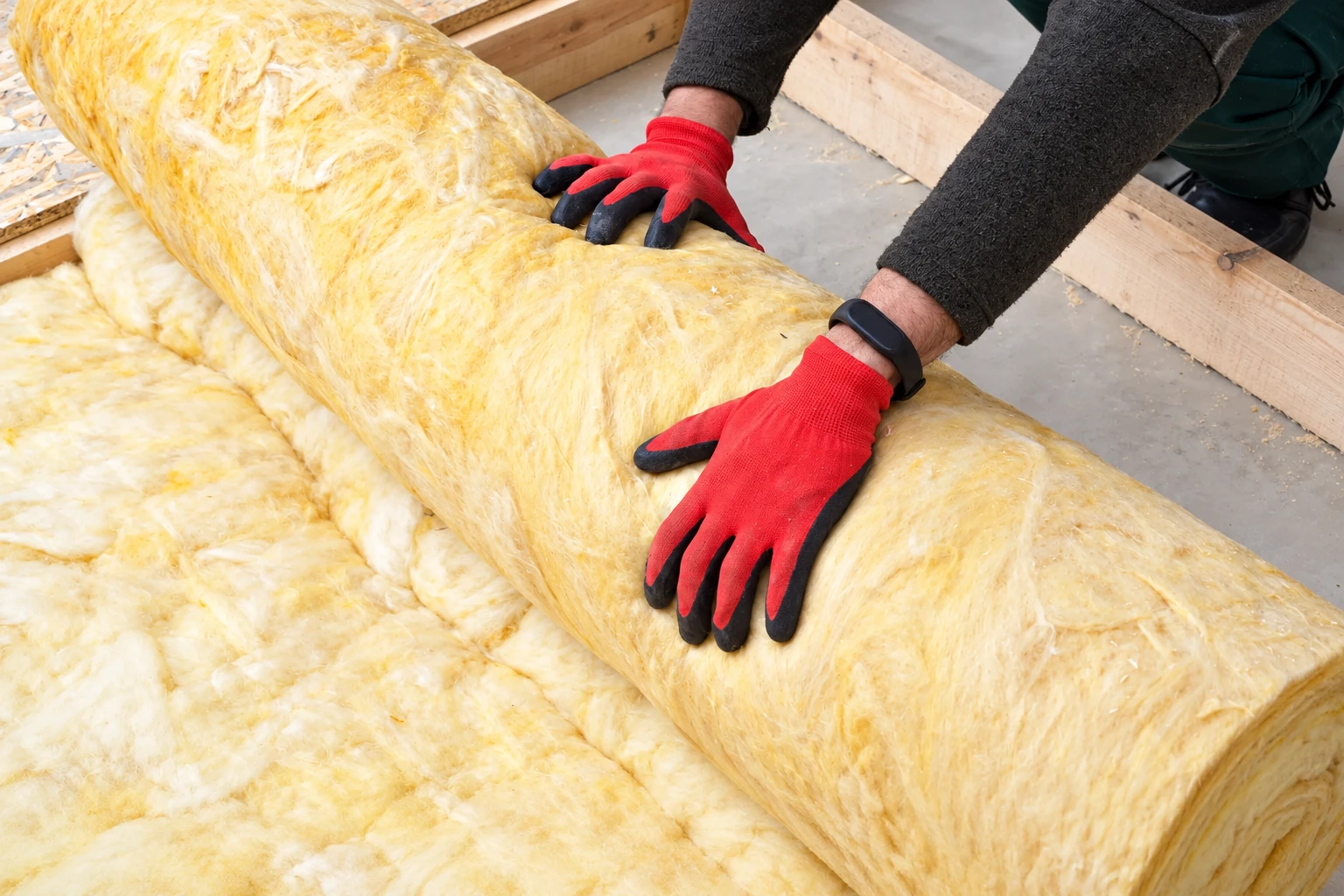
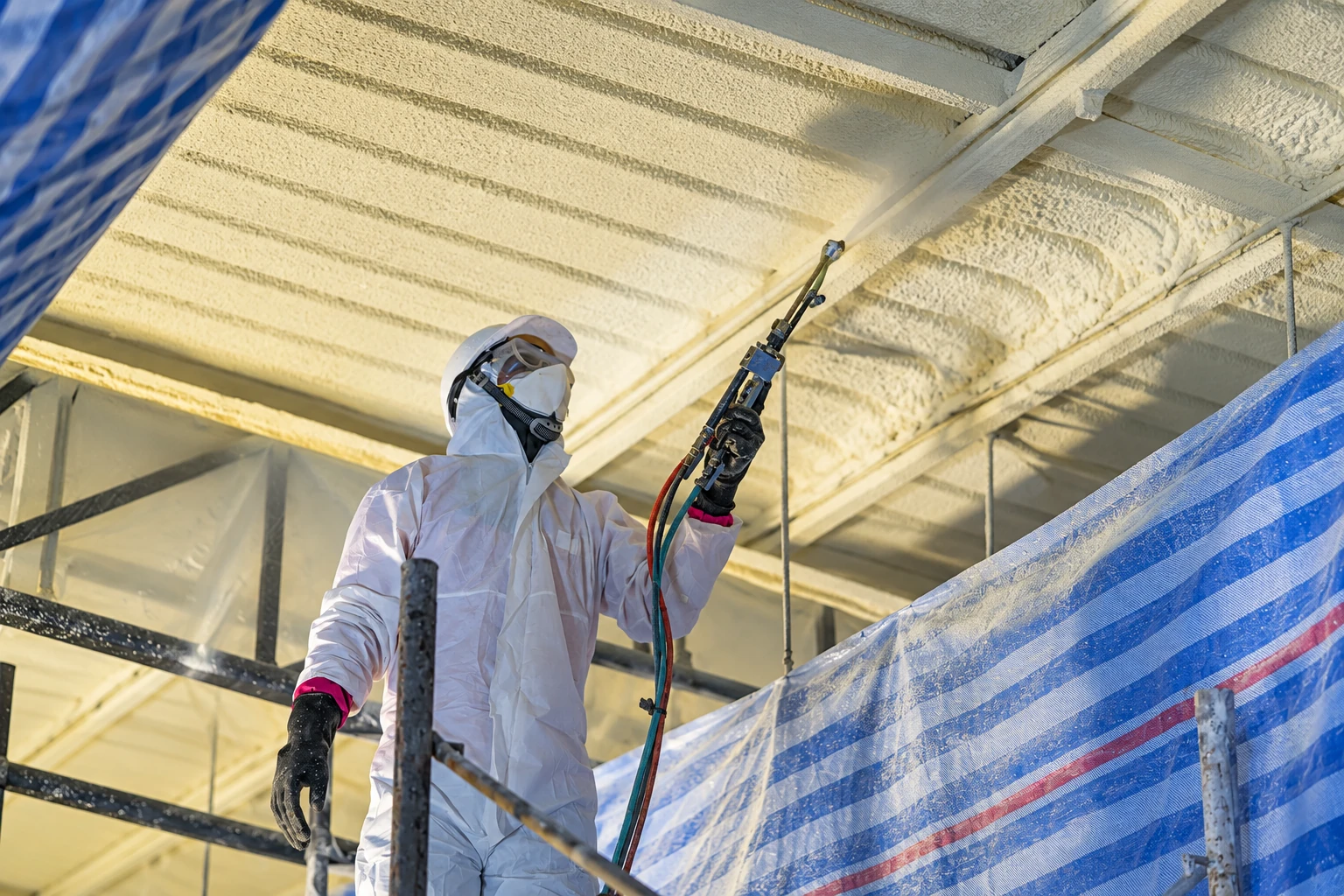
Sealing is often half of a bigger job. If what's up there is thin or worn, we usually pair the sealing with retrofit insulation, which adds to the insulation your house already has once the gaps are closed. Spray foam insulation seals and insulates in one pass, but it costs more. I usually steer people toward sealing the gaps and topping up loose fill instead, unless your ductwork runs through the attic, where foam earns its price.
Gray streaks on the ceiling around a vent or can light are dust caught by air moving through the gap. Sealing that opening stops the air that leaves them.
When cooled air slips up into the attic, the AC runs longer to keep up. Sealing the openings keeps that air downstairs, where you're paying for it to be.
Old insulation that's soaked or full of droppings should come out before we seal, because covering it keeps the problem. If it needs testing first, I'll tell you so.
A hatch with no seal lets attic air straight into a hallway or closet. We seal around the frame and the lid so it closes tight and still opens easily.
Send the form and we'll get back to you within one business day to set a time. I come out, look at your attic and write a free estimate on site, with no obligation.
Mention the drafty rooms, the hot upstairs or the room over the garage that won't cool down. It tells me where to look first once I'm up in your attic.
Let us know if you have a gas furnace, water heater or fireplace in the house, so the venting test is planned into the job from the start.
Tell us where the hatch is and whether you're thinking about more insulation too, so the estimate covers the whole job and not just part of it.
These photos show sealed can lights, blocked-in openings, foamed pipe gaps and finished attic floors, the kinds of details we can talk about at your estimate.
Here are straight answers to what South Whittier homeowners usually ask before they let a crew into the attic to seal it.
In the Los Angeles area, blown-in fiberglass attic insulation, which is loose fill blown through a hose, with air sealing at the obvious gaps usually costs about $1,200 to $1,500 per job. That's what the market usually charges, not our quote. I'll give you your own figure after I've seen your attic.
Sometimes, yes. The usual guidance is to hold off on sealing if the attic has live knob and tube wiring, the old wiring strung on porcelain knobs, or vermiculite insulation, or if bath fans blow into the attic instead of outside. A leaking roof or an unvented kerosene heater or gas fireplace also puts sealing on hold until it's fixed.
It can be, with one step added. Sealing can sometimes make a furnace or water heater that vents on its own back-draft, which means pulling exhaust back into the house instead of sending it up the flue. The guidance is to have the venting tested by a home performance contractor before and after sealing, and that test is already part of our plan.
Not by itself. Fiberglass and other fluffy insulation slow heat, but air passes right through them, so the gaps around lights, pipes and the hatch keep leaking under a new layer. The guidance for an attic getting new insulation is to seal the openings in the attic floor first and then insulate, which is the order we work in.
The county building office is where that gets settled, and we check with it before work starts. Building permits for South Whittier go through the Los Angeles County Public Works South Whittier District Office. When your job needs one, we handle the paperwork and line up the inspections. In the cities around us, we look up which office covers your address the same way.
Usually, yes. The state licensing board counts anyone who installs insulation for temperature or sound control as an insulation contractor. Someone without a license can only take a job under $1,000, and only when it needs no permit and they work alone with no employees. We're licensed and fully insured.
We answer calls seven days a week, into the evening, so call (562) 358-3003 or send the form whenever you notice a drafty room.