
Cold floors over the basement
When the floor above the basement stays cold, bare foundation walls are usually pulling heat out of the space below, and insulating them keeps more of that warmth in the house.
Cold, damp basement walls and a chill coming up through the floor above? We fit foam tight to the foundation and seal every seam.
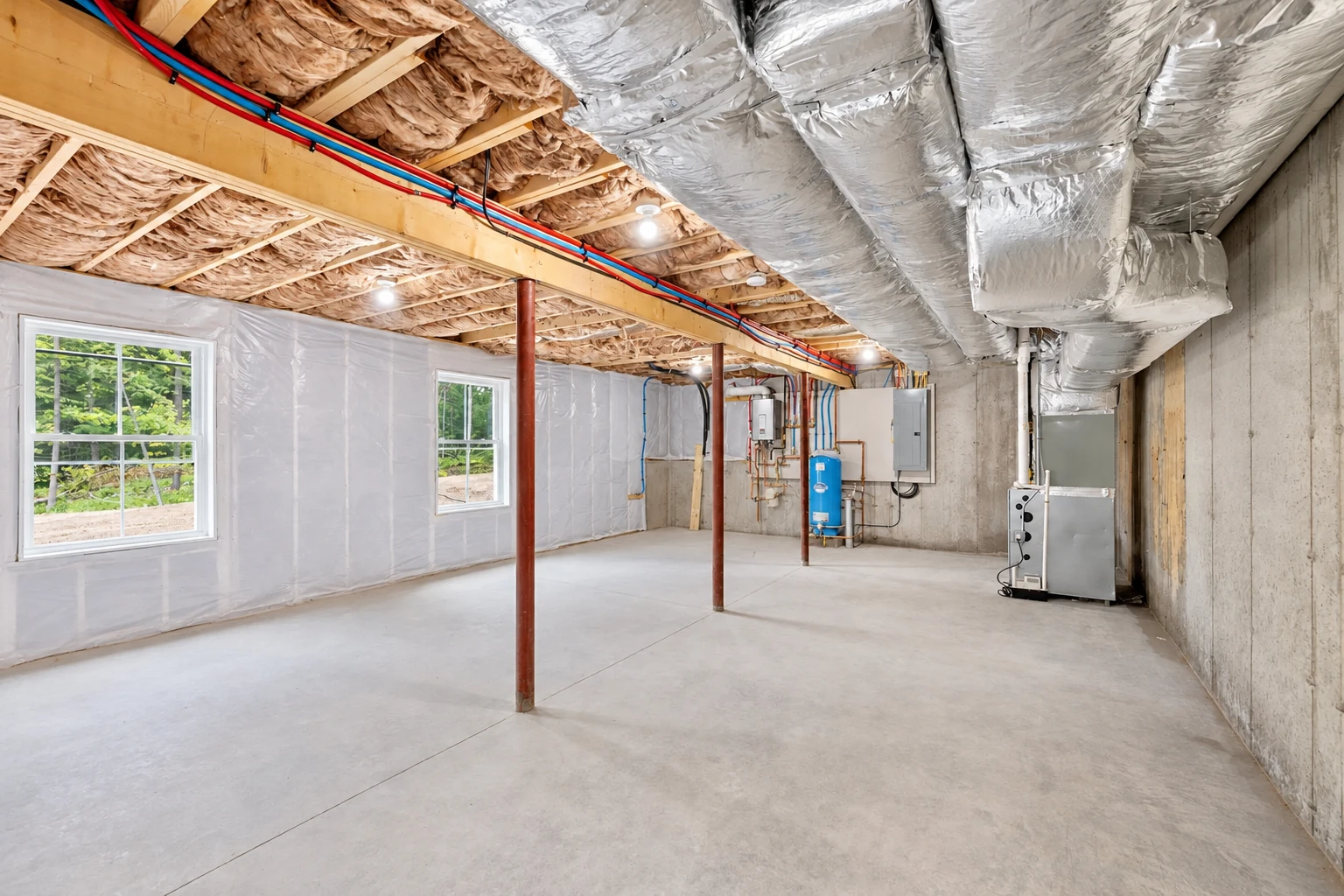
Basement insulation in South Whittier covers the inside of your foundation walls, usually with foam, so the basement stays drier, holds heat better and stops sending a chill into the rooms above.
Most calls start with a cold floor over the basement or walls that feel damp, and bare concrete is usually behind both. The price moves with how many square feet of wall you have, which foam goes on, whether we seal the rim joists, the wood band that sits on top of the foundation, what covering goes over the foam and whether a crack has to be fixed first. The schedule mostly turns on that repair and on what the building office for your address asks for, and if your job needs a permit, we handle the paperwork and line up the inspections. Your estimate gives you the figure for your own walls.
I come out, look over the foundation and write the estimate myself, and our crew lead runs the install while I check in, so the person who quoted the job knows how it's going.
I started as a helper on an insulation crew and have run this business since 2013, so I've seen what goes wrong when steps get done out of order.
Your estimate lists the material, the wall area and anything that has to happen first, because I want you to know exactly what you're paying for before we start.
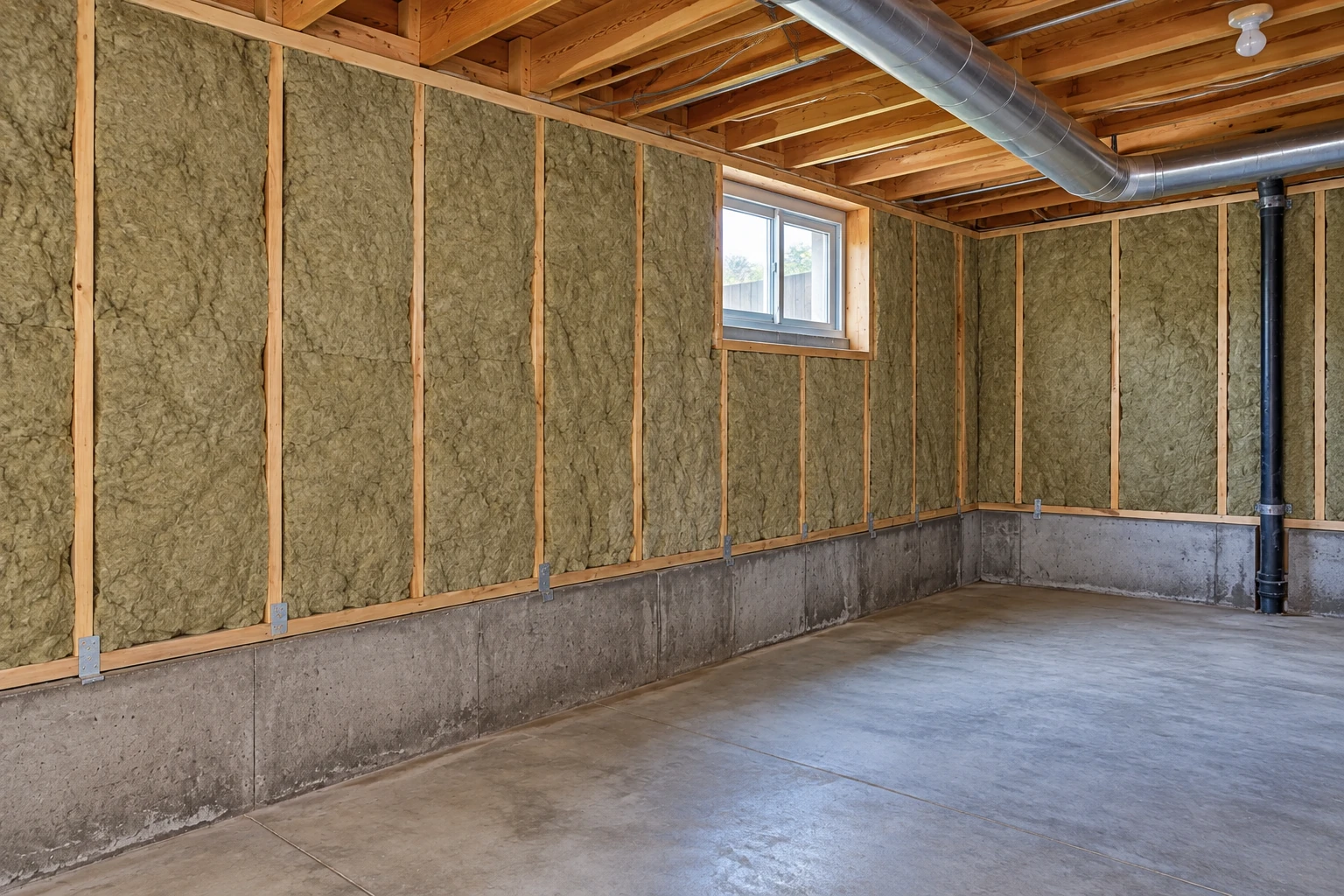
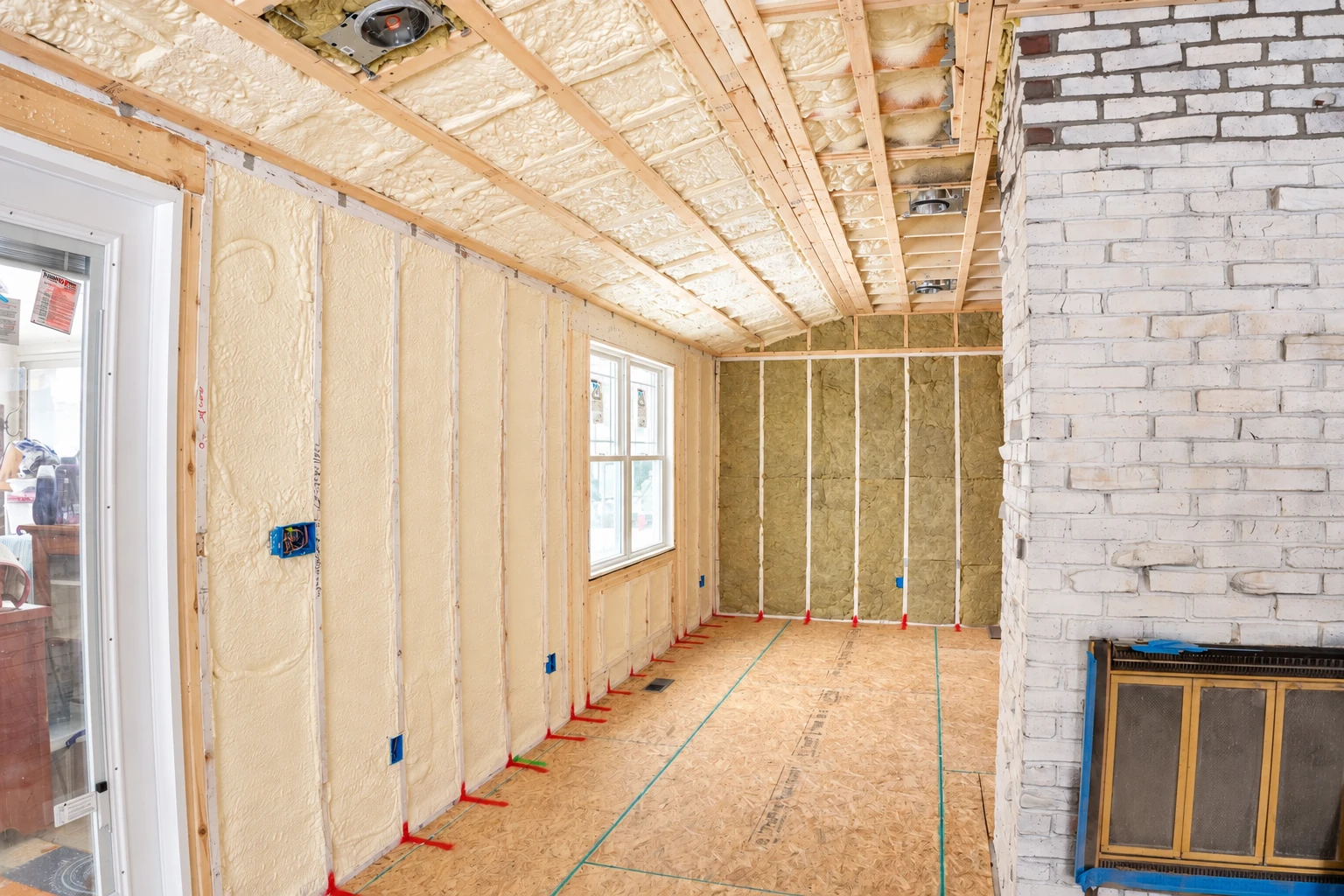
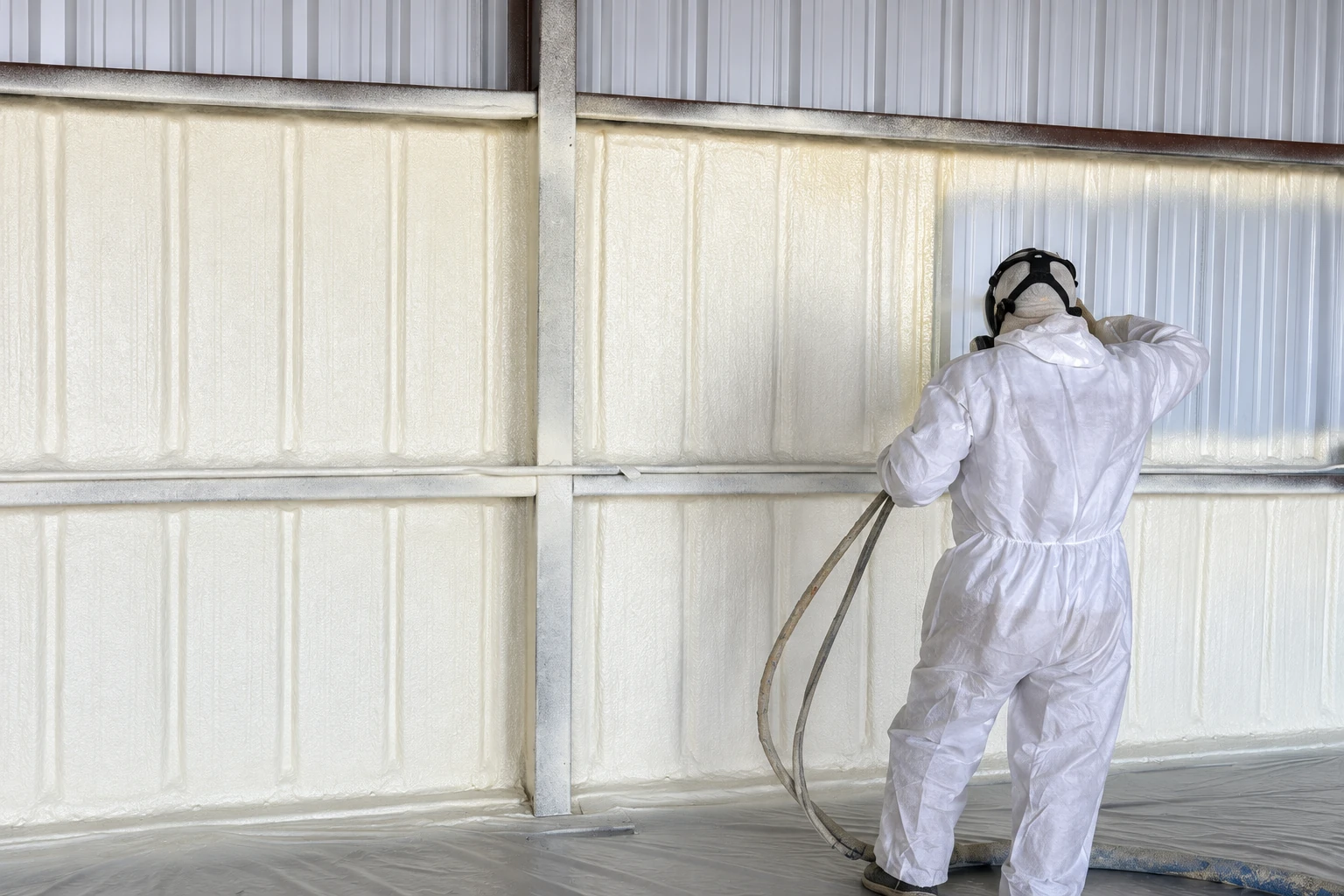
I start by going over every wall for cracks, damp spots and signs the foundation has moved. If there's a crack or a structural problem, that gets fixed before any insulation covers it, because new material laid over a problem just hides it and can make it worse. Once the walls are sound, we clean them and fit foam tight to the concrete with no air gap behind it, then seal every edge and seam, since air slipping behind the foam carries moisture to the wall. We seal the rim joists with rigid foam cut to fit and sealed at the edges, or with spray foam that air-seals and insulates in one pass. Spray foam has to be covered with ignition-barrier paint, a fire-resistant coating, or with drywall, so the estimate names which one goes on, and we clean up before we leave.
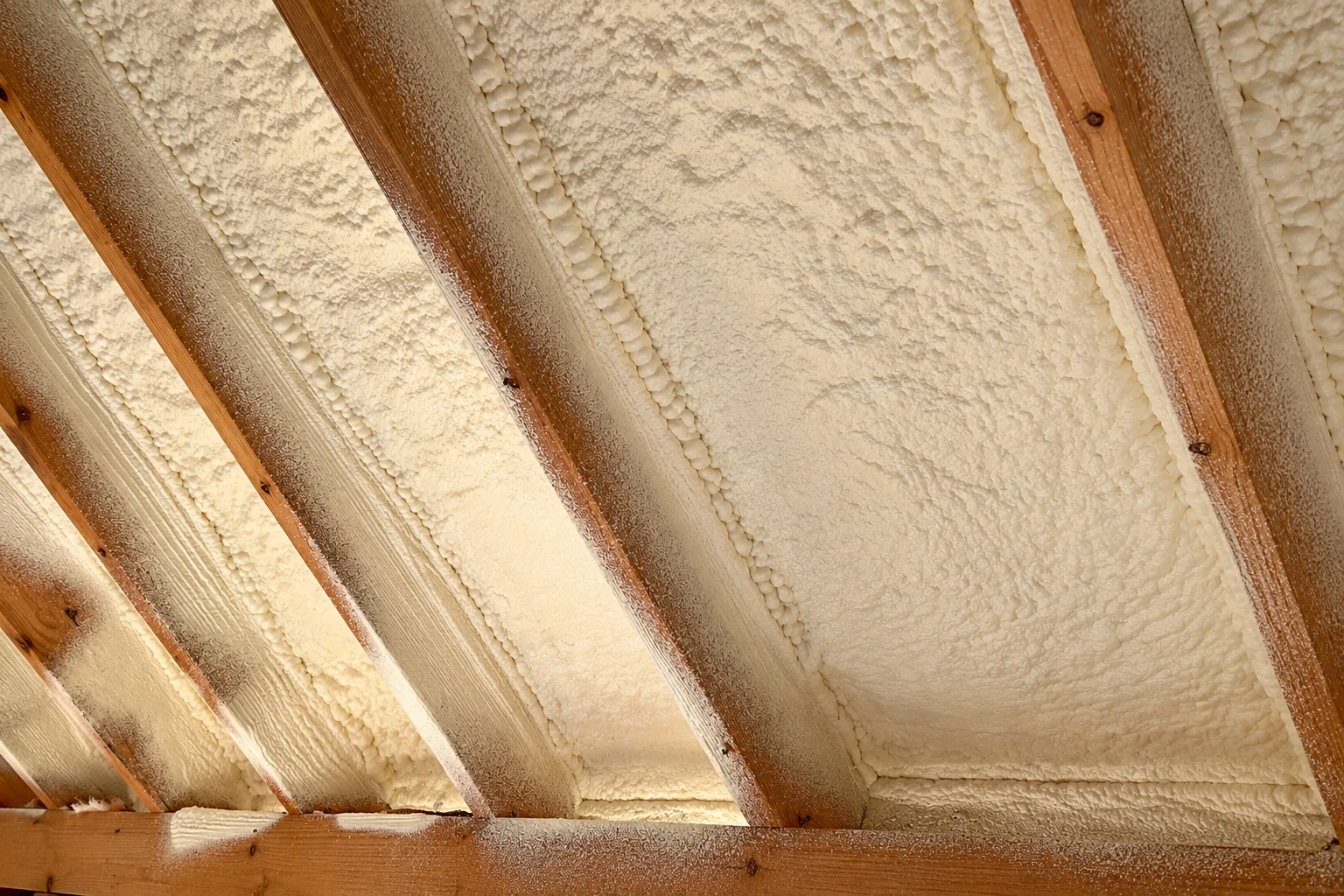
On most foundation walls I steer people toward closed-cell foam insulation, the dense kind that blocks moisture, because a basement wall has to stay dry. Open-cell foam insulation seals air just as well but has to go on thicker to hold back vapor, so we'll talk through which one suits your walls when I'm out there.
When the floor above the basement stays cold, bare foundation walls are usually pulling heat out of the space below, and insulating them keeps more of that warmth in the house.
Foam sealed tight to the concrete keeps damp air off the wall. If water is still getting in, that gets fixed first, because insulation won't stop a leak.
If you're turning the basement into a room, insulate before the drywall goes up, because once the walls are closed nobody can see a gap or a damp spot behind them.
If fiberglass went on these walls years ago and it's damp or full of droppings, it comes out first, since new material laid over it keeps the problem in place.
Send the form and we'll get back to you within one business day to set a time. I'll come out, look at your walls and write the estimate myself, free and with no obligation.
If you know roughly how many square feet of foundation wall you have, put it on the form, since that's one of the main things that moves the price.
Mention any damp walls, cracks or foundation trouble you've seen, so I know to look there first and we can talk about what has to come before the insulation.
Call (562) 358-3003 if you'd rather talk first. I still answer the phone myself, so the person you talk to is the one who comes out to look.
These photos show foam on foundation walls, sealed rim joists and finished coverings, the kinds of options we can talk through at your estimate.
Straight answers on cost, materials, permits and licenses for insulating the basement walls of an existing South Whittier home.
Basement insulation in the Los Angeles area usually costs about $1.50 to $4.50 per square foot, and that's the area's going rate, not our quote. Foam costs more than fiberglass, but on a basement wall it's the one I'd pay for. Your estimate gives the figure for your walls.
Closed-cell spray foam is better, because it controls moisture best. Fiberglass or cellulose against the concrete can soak up a lot of moisture and stay damp. If you use fiberglass, the usual guidance is Kraft-faced batts, the paper-backed kind, or latex paint on the drywall, since plastic or foil on the room side can trap moisture in the wall.
For most existing homes, inside is the realistic choice. Insulating the outside means digging around the entire foundation, which tears up your landscaping, so it's only practical during major foundation work, waterproofing repairs or an addition. If that kind of work is coming, mention it at the estimate so we can talk timing.
Los Angeles County Building and Safety issues building permits for South Whittier through its South Whittier Building and Safety Office in Norwalk at (562) 946-1390. The county serves unincorporated areas and the cities that contract with it, so we confirm which office covers your address and what it asks for before work starts.
Only on very small jobs. California lets an unlicensed person do minor work under $1,000 only when it needs no permit and they have no employees. If either condition fails, a license is required even below $1,000. We're licensed and fully insured, so it's fair to ask anyone you're comparing to show the same.
South Whittier Insulation and Spray Foam picks up evenings and weekends, so call (562) 358-3003 or send the form whenever it suits you.