Rodents got into the attic
Nests and droppings foul the insulation, and leaving them in place can affect the air inside your house. If you've seen droppings near the hatch or heard scratching, plan the removal rather than waiting.
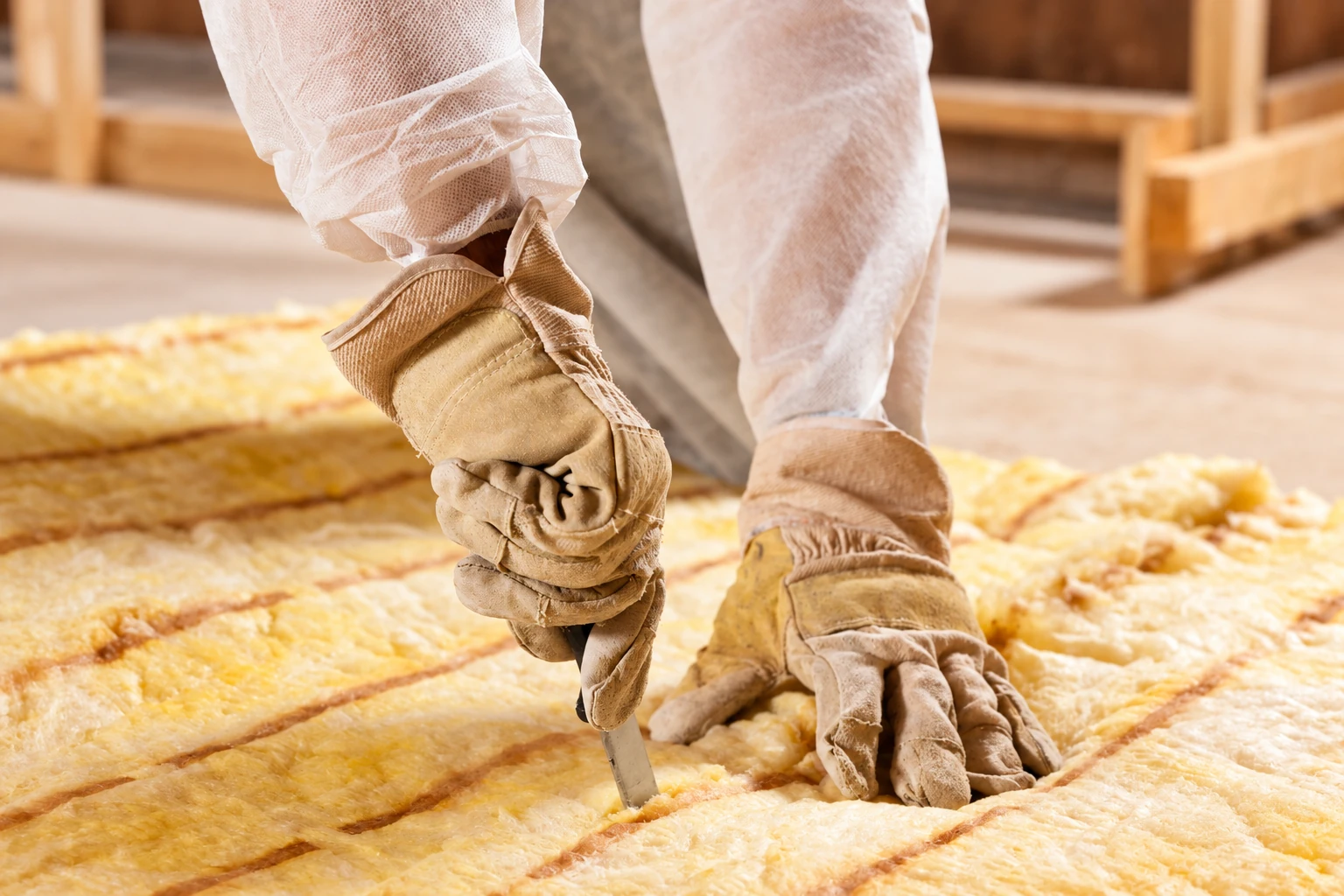
Old insulation that's dirty, worn out or full of rodent droppings comes out, so your attic starts clean before anything new goes down.
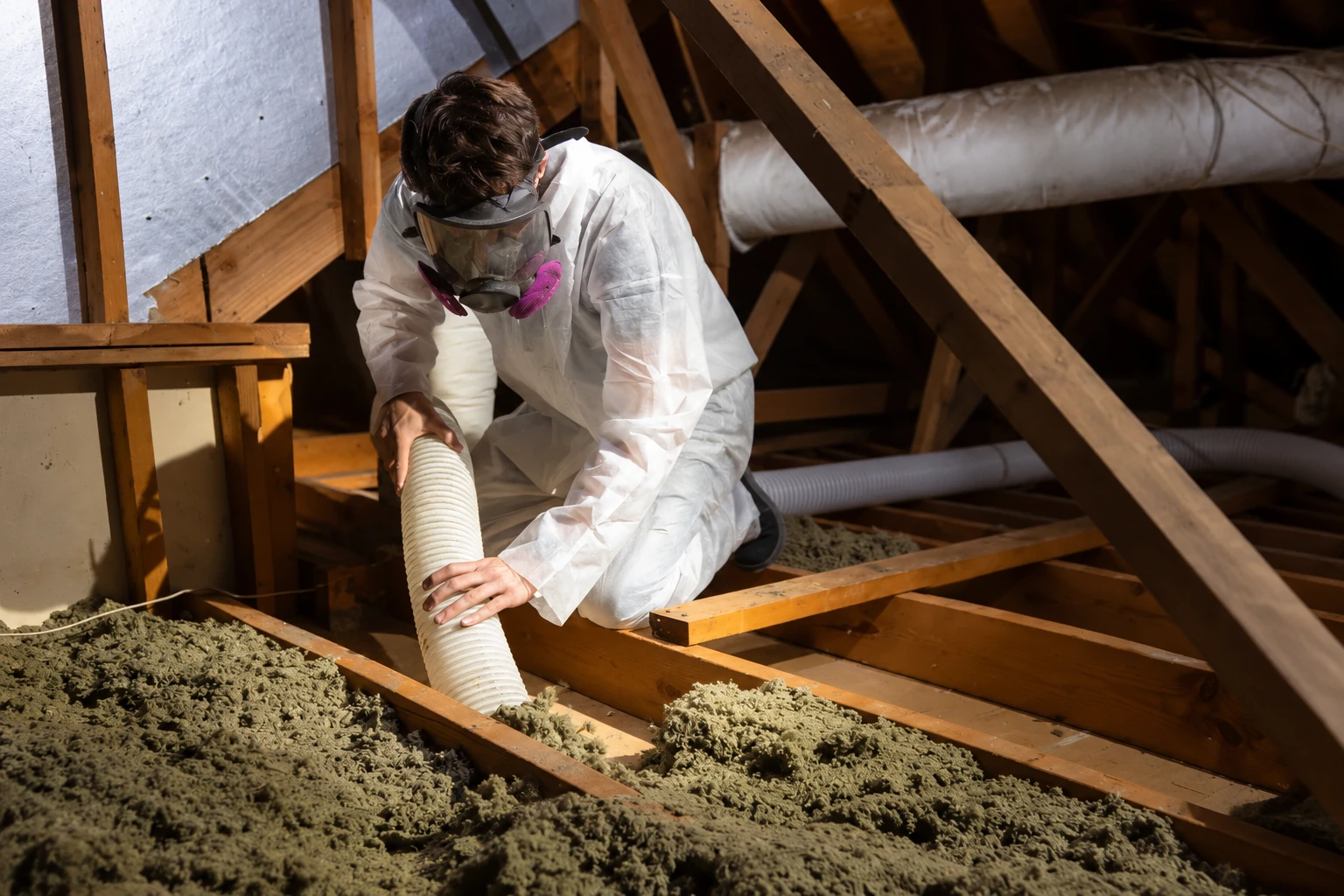
Insulation removal is how we at South Whittier Insulation and Spray Foam clear old, dirty or rodent-fouled insulation out of attics in South Whittier, by vacuum or by hand, so whatever goes in next starts on clean framing.
Most calls about this start with a hot upstairs or a power bill that keeps climbing, and when I pop the hatch, the insulation is matted, dirty or full of droppings. The price and the schedule both turn on how big your attic is, how deep the old layer runs, what's mixed into it and whether anything needs testing before we touch it, so I come out, look at it myself, and the estimate tells you your number before we start. We're licensed and fully insured, and in California the state licensing board is the office that licenses insulation contractors.
I've run this business since 2013 after learning the work as a helper on a crew, so the person pricing your job knows what's usually hiding under an old layer.
Our crew lead runs the removal and I check in on the work, so someone who saw your attic at the estimate keeps an eye on how it goes.
We're based in South Whittier and take jobs in the cities around it, like Norwalk, Whittier and Downey. If you don't see your city on the site, call and ask.
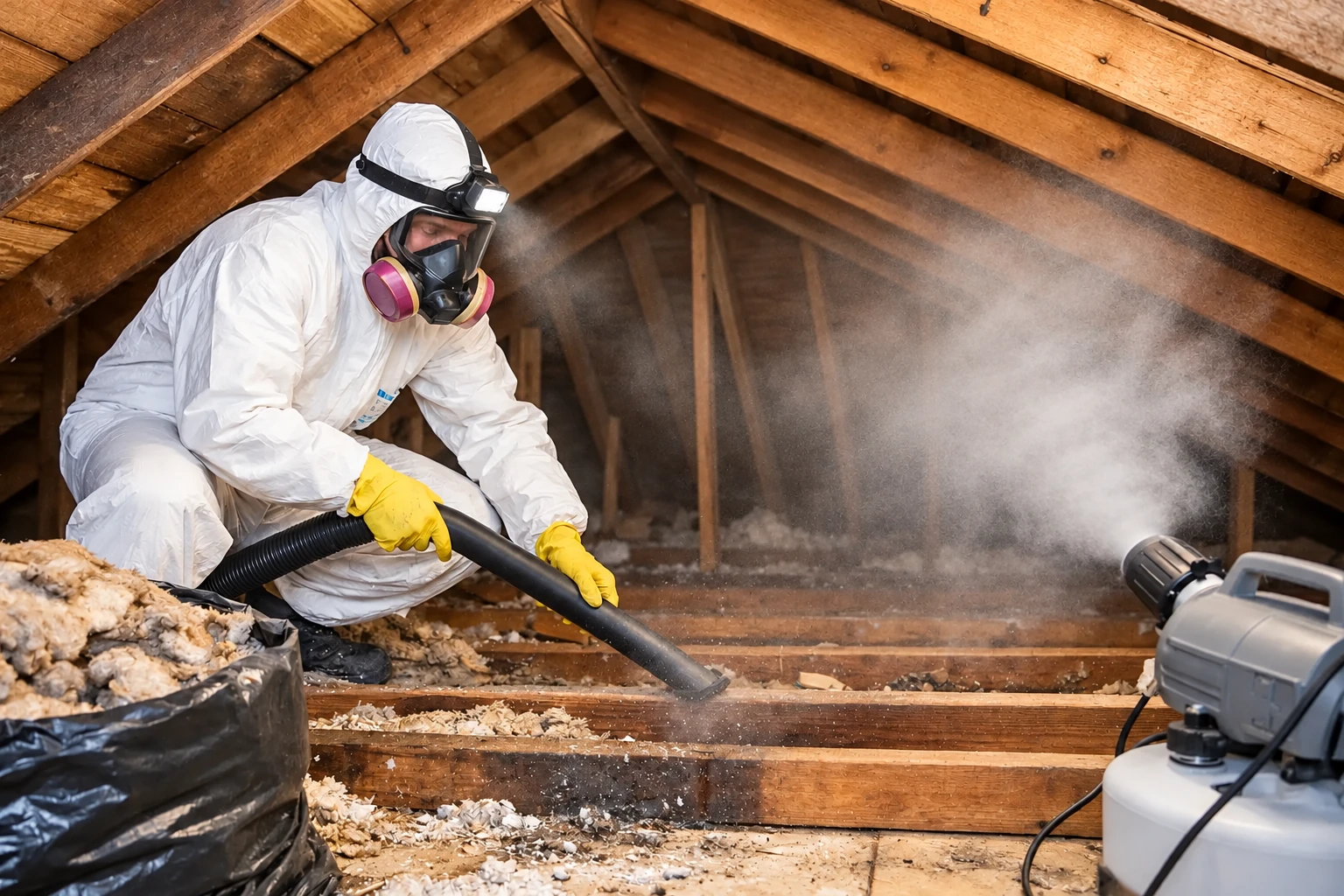
Before anyone touches it, I look at what's up there, because if the old fill looks like vermiculite, we stop and point you to testing and an asbestos abatement firm, since that's not ours to pull out. If it's insulation fouled by rodents or full of debris, our crew lead runs the removal. We lay a covered path from the hatch out of the house so the mess stays off your floors, and the old material comes out by vacuum or by hand until the attic is down to clean framing. I check in while it's going, and once it's clear we look over the gaps around can lights, pipes and the hatch, because sealing those before new insulation goes in is the step that usually gets skipped.
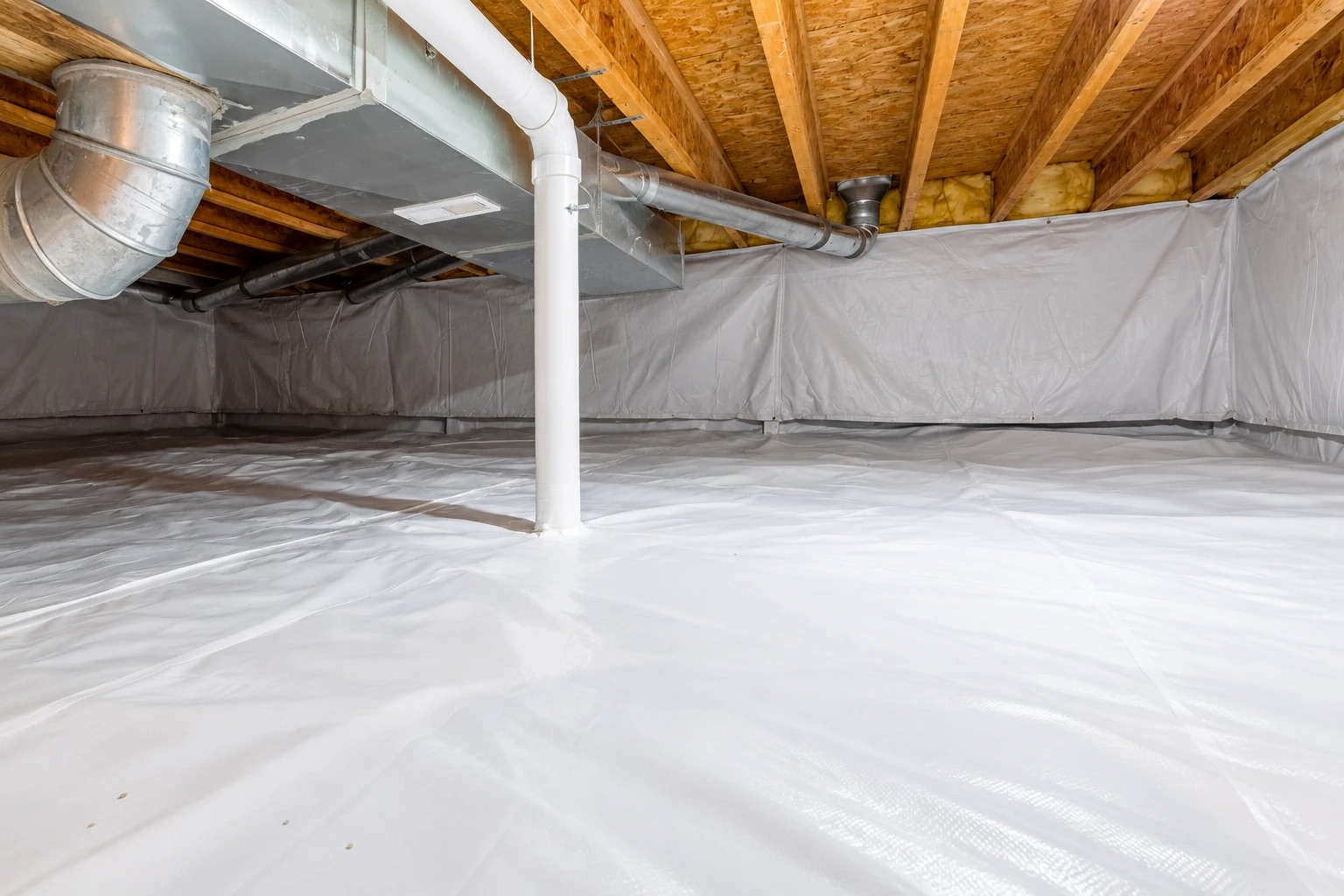
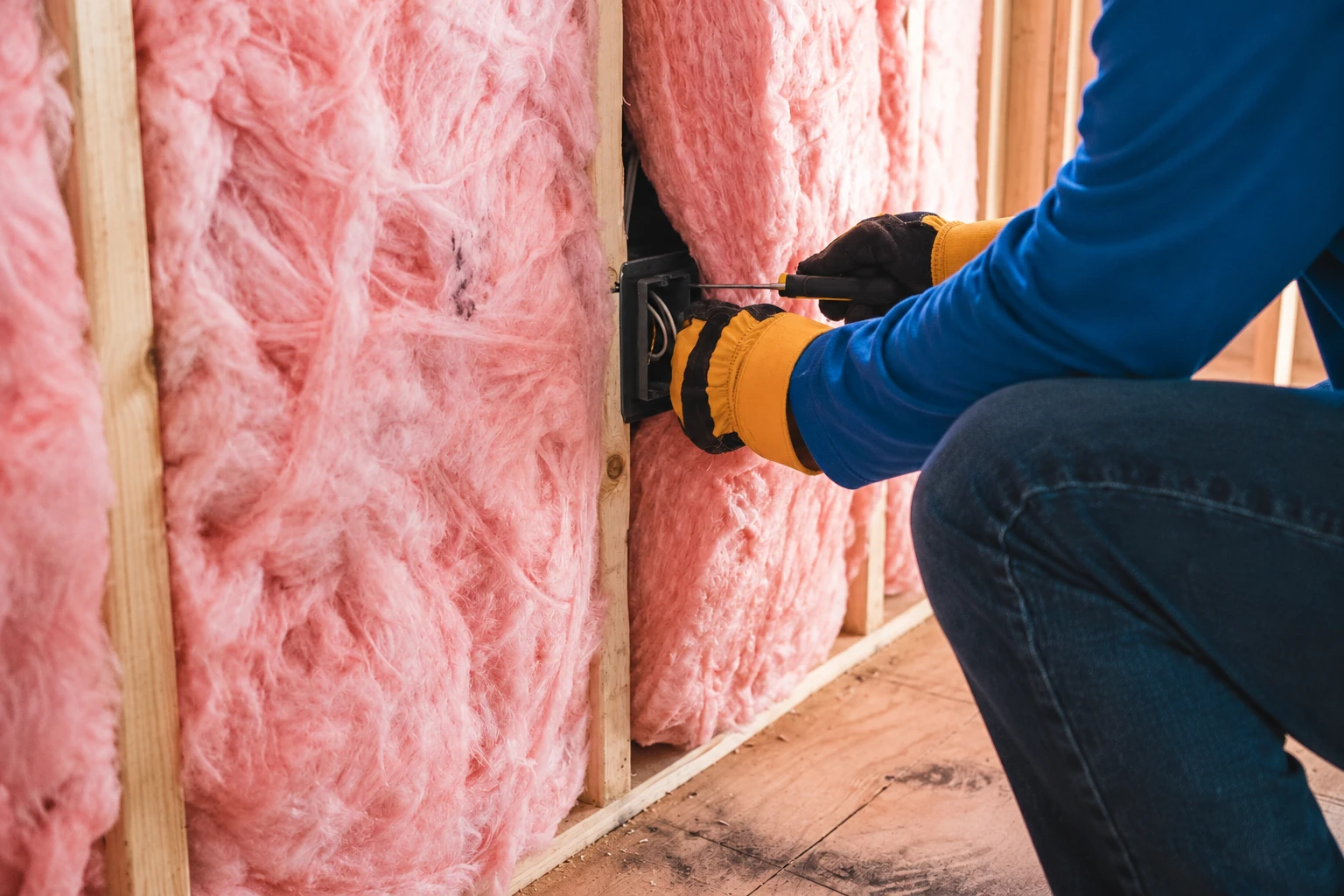
Removal is usually the first half of the job. Once the attic's clear, most homes do best with the gaps sealed and new loose fill blown in, and I'll tell you if foam makes more sense, which is mostly when your ductwork runs through the attic, because foam costs more but seals air while it insulates. If your floors stay cold, the problem is often under the house, and crawl space insulation takes care of that. If one room stays hot or cold with a good attic over it, the trouble may be in the walls, and wall insulation is where we'd look next.
Nests and droppings foul the insulation, and leaving them in place can affect the air inside your house. If you've seen droppings near the hatch or heard scratching, plan the removal rather than waiting.
Wet insulation stays a problem under anything you lay on top of it. I'd rather you get the roof fixed first, then we pull the damaged layer so the new one starts clean.
Can lights, pipes and the hatch leak air under the old layer, and you can't seal what you can't reach. Taking it out gives us clean access to close those gaps properly.
Old insulation packed into the edges can cover the vents at the eaves, so the attic stops breathing and moisture shows up in the framing. Removal lets us clear them first.
Send the form and we'll get back to you within one business day to set a time. I come out, look at your attic and write a free estimate, with no obligation to go ahead.
The square footage of the house is plenty to start with, because the size of the space drives both the price and how long the crew is up there.
Tell us about droppings, nests, chewed wiring or noises at night, since fouled insulation changes how the job goes and what I'll want to look at when I come out.
If the fill looks like small pebbles instead of fluff, say so and leave it alone, because it should be tested before anyone disturbs it.
These illustrative photos show cleared joists, open eave vents and fresh loose fill, the kinds of layouts and finishes worth talking through at your estimate.
Here's what South Whittier homeowners usually ask before old insulation comes out, from cost and timing to vermiculite and permits.
Attic insulation removal in the Los Angeles area usually costs about $2,000 to $6,000 per job. That's the going rate in the region, not our price. Where your attic lands depends on its size, how much old material is up there and what's mixed into it, and the estimate gives you your own number before we start.
Usually it's best left where it is, and it's not a job for an insulation crew. The EPA recommends leaving vermiculite undisturbed, and if it has to come out, a trained and accredited asbestos abatement contractor should do it, one independent of whoever assessed it. It looks like small pebbles, usually gray-brown or silver-gold, and disturbing it can spread fibers to other rooms.
Removal takes anywhere from 4 hours to 2 days or more, depending on the size of the attic and how complicated the job is. Insulation with debris mixed in typically comes out by hand, which takes much longer than vacuuming. If your attic is large or tricky, plan for the longer end, and I'll tell you which yours is when I come out.
For property in unincorporated LA County, LA County Public Works issues building permits, and the county runs a South Whittier building and safety office in Norwalk. If your address falls outside the county's jurisdiction, another office may handle it. Before work starts we check which office covers you and what it asks for, and if a permit's needed, we handle the paperwork and line up the inspections.
For building demolition or renovation, yes. South Coast AQMD and federal asbestos rules call for an asbestos survey by a Cal/OSHA Certified Asbestos Consultant before that work starts. If the insulation removal is part of a bigger remodel, ask about the survey before anything gets scheduled, and bring it up at the estimate so we can plan around it.
Not always. ENERGY STAR's guide says insulation that's only dirty is still okay to use, so dust alone isn't a reason to pull it out. Droppings, nests or a soaked layer are a different story, and that's when I'd tell you it should come out before anything new goes on top.
I still answer the phone myself, so call (562) 358-3003 or send the form and describe what you're seeing up there.