
Spray foam insulation
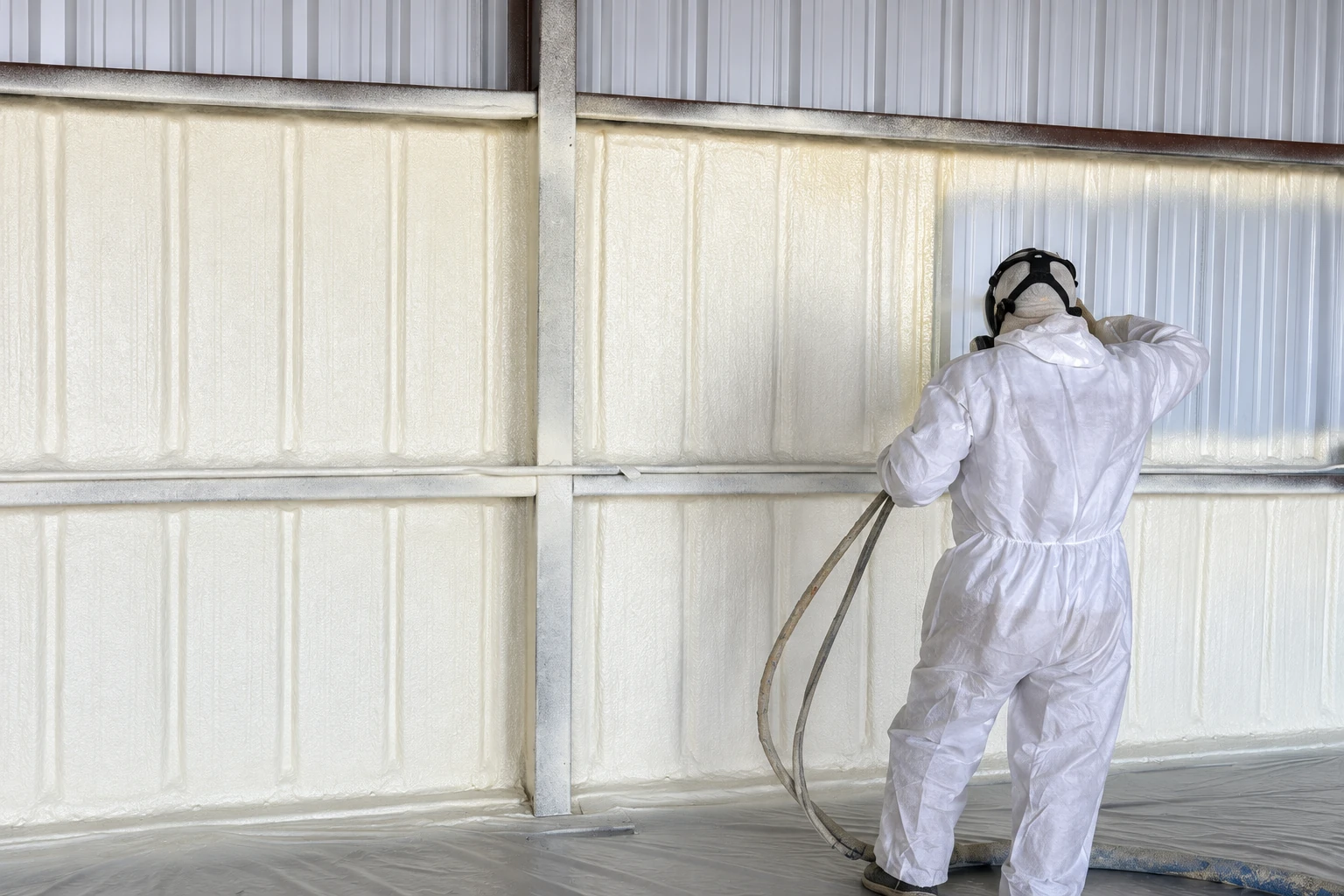
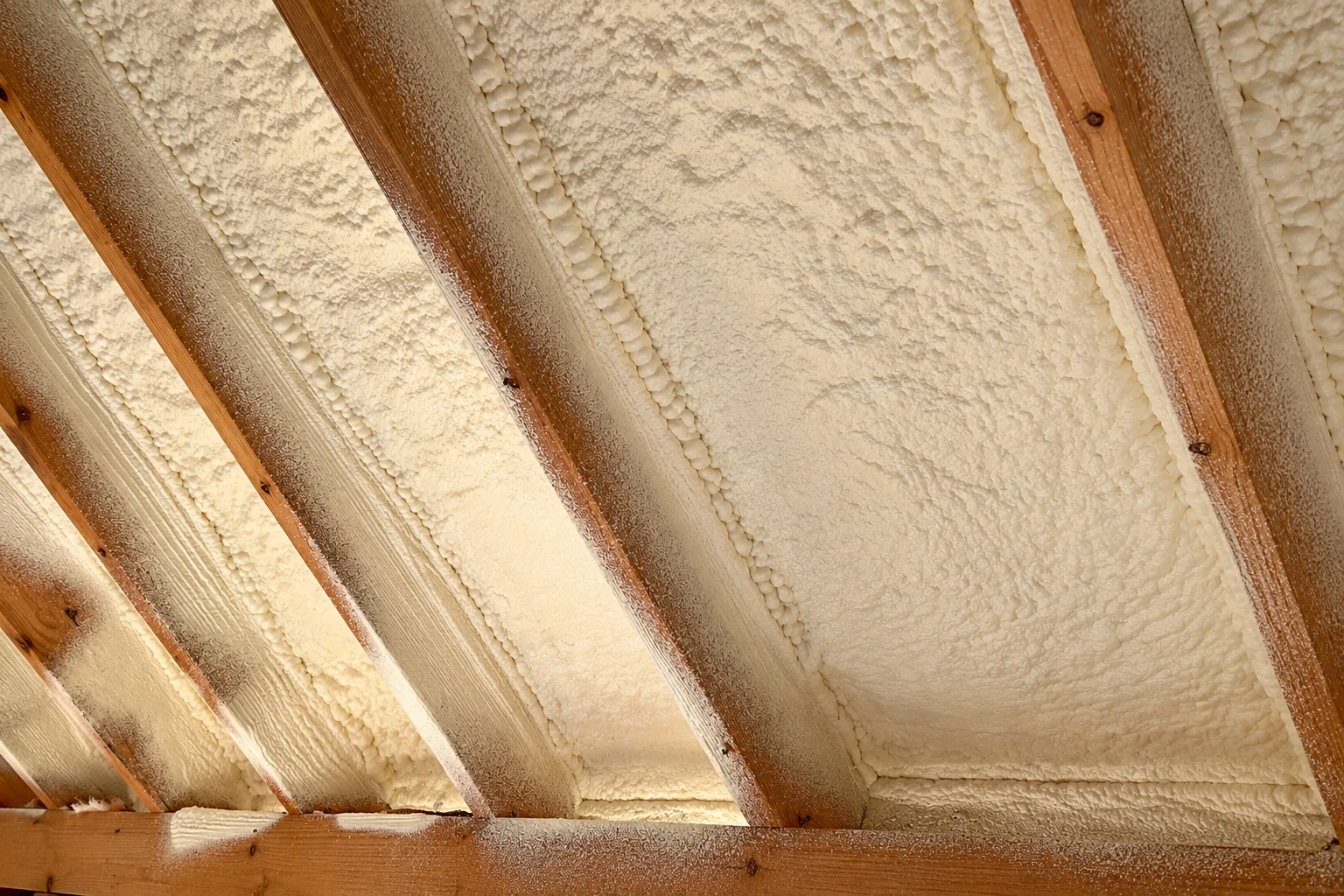
Where ductwork runs through a hot attic, foam seals and insulates in one pass. It costs more than loose fill, so I'll tell you plainly whether your house needs it.
South Whittier Insulation and Spray Foam insulates attics, walls and crawl spaces in El Monte, CA. We seal the gaps first and clear out worn or dirty old insulation so your house holds its temperature.
Most of the El Monte houses we get into are older single-story homes on tight lots, and a lot of them have an added room, a converted garage or a unit out back. We're an insulation contractor based in South Whittier, CA, and we come up here for the same attic and crawl space work we do in West Covina and down in Anaheim.
The price depends on the size of the attic, what's already up there and whether it has to come out first, and how many gaps around lights, pipes and the hatch need sealing. The schedule turns on the same things. It also turns on any roof repair that should happen before new material goes down, and on a permit if the job needs one. The free estimate gives you the figure for your house. In plenty of these houses the ductwork runs through the attic and the summer heat sits right on it. That's when spray foam starts to beat sealing the gaps and topping up loose fill, because it seals air while it insulates, even though it costs more.
We close the gaps around can lights, pipes and the attic hatch before new insulation goes down. Insulation laid over a draft just fights it all year.
If what's up there is soaked or full of droppings, we pull it out before adding anything. New material over a problem only hides it, and I'd rather tell you that up front.
We check which building office covers your address and what it asks for. When the job needs a permit, we handle the paperwork and line up the inspections.
Where ductwork runs through a hot attic, foam seals and insulates in one pass. It costs more than loose fill, so I'll tell you plainly whether your house needs it.
We measure the inches already up there and seal the gaps. Then we build the coverage evenly out to the edges, where it's usually thinnest over the outside walls.
Blown-in insulation is loose fill blown through a hose, so it gets around joists and wiring in older attics with tight access. It's our usual way to top up thin coverage after sealing.
When rooms won't stay comfortable or the power bill keeps climbing, we look at the attic, walls and floors together. Then we tell you which one is costing you the most.
Old insulation that's flattened, soaked or full of droppings comes out first. Laying new material on top just keeps the problem in your attic.
On raised-floor houses, cold floors usually trace back to a bare crawl space. We insulate under the floor and keep the vents clear so it can still dry out.
Plenty of older walls here have little or nothing inside them. We fill them through small holes that we patch afterward, so you don't lose a finished wall.
Air sealing is closing the gaps around lights, pipes, wiring and the hatch before any insulation goes in. That way the new material isn't fighting a draft.
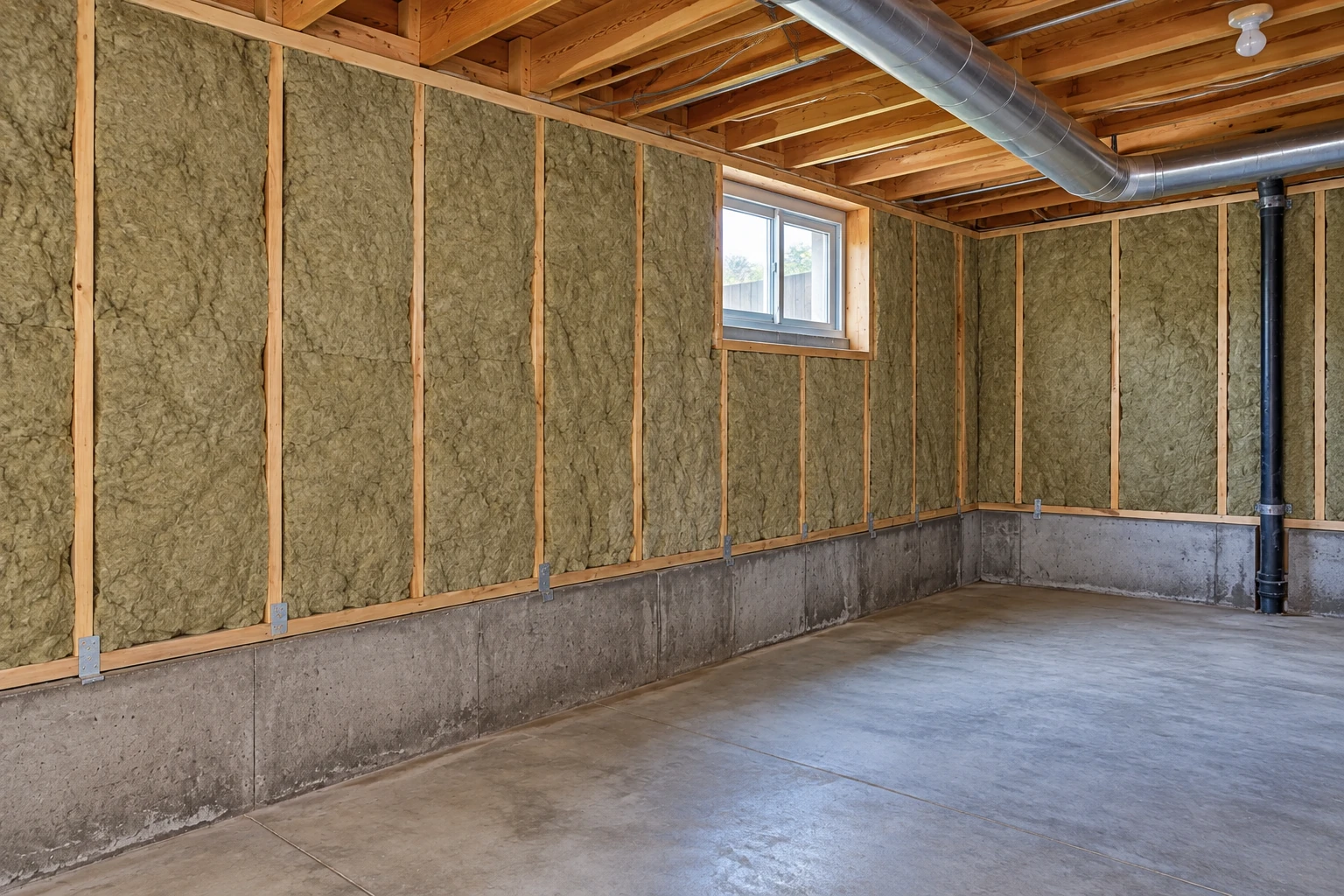
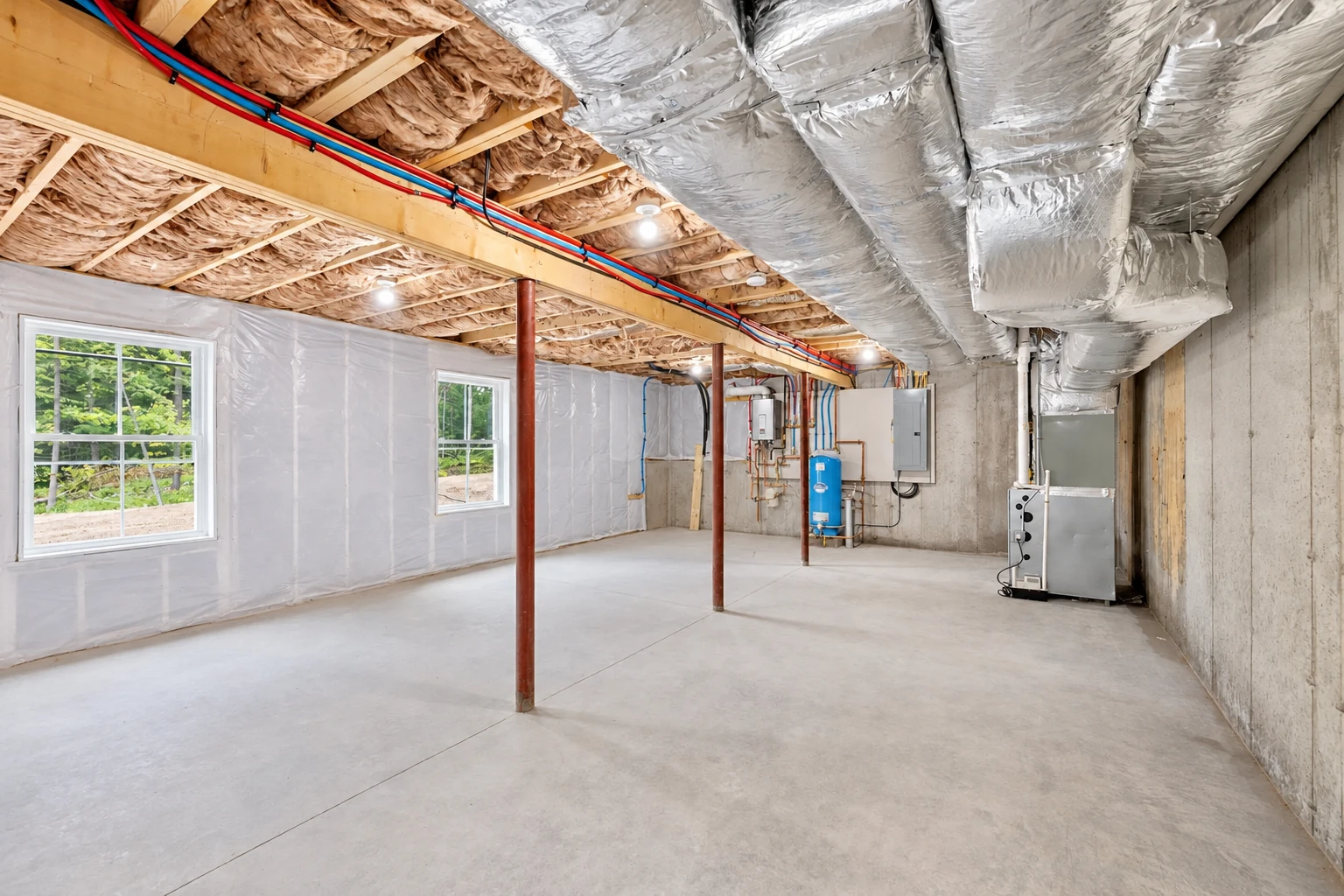
Basements are rare in El Monte, but where a house has one, we insulate the walls and rim. That keeps the space drier and the floor above warmer.
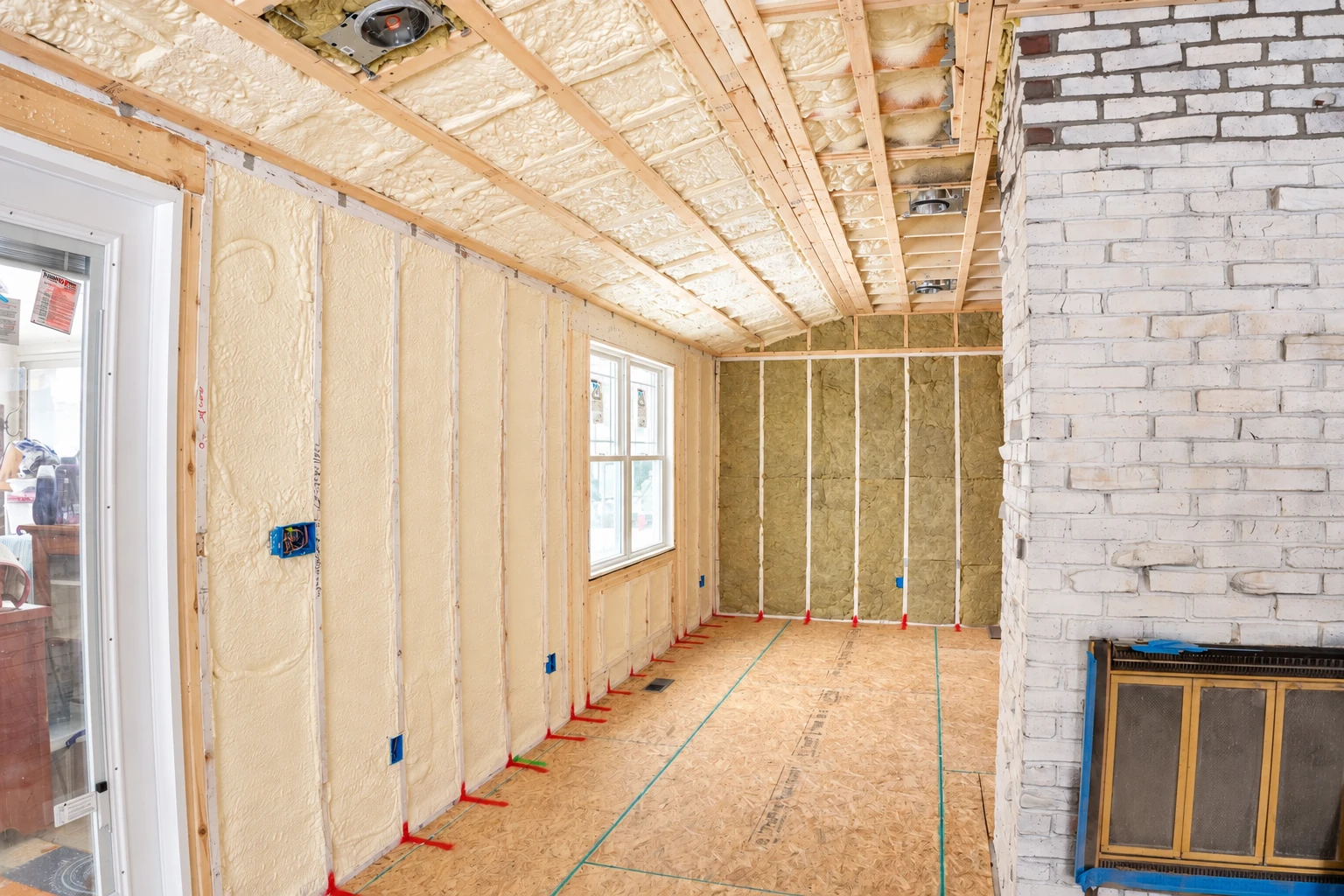
Closed-cell foam is dense foam that blocks moisture as well as heat. We use it where damp gets in, like a crawl space wall or the ceiling of a converted garage.
Open-cell foam is softer and lighter. It suits a roof deck over attic ductwork, or a wall that needs air and sound control more than moisture control.
Property managers and small business owners call us for offices, shops and rentals. We plan the work around when the space is in use.
A liner over the dirt under a raised floor keeps ground moisture out of the framing and the insulation. We lap and tape the seams so it stays in place.
We put the vapor barrier on the side of the wall, floor or ceiling where it belongs for this climate. That way moisture doesn't get trapped inside the insulation.
Before topping up an attic, we seal the wall tops, can lights and hatch. We also keep the eave vents open so the attic can still breathe.
Older houses and added rooms often came with thin insulation or none at all. We add it to what's there without tearing out finished walls or ceilings.
Send the form and we'll get back to you within one business day to set a time. I come out, look at the job and write the estimate myself. It's free, done on site, and there's no obligation.
I'm the one who goes up and looks, so the estimate matches what's actually in your attic. You know exactly what you're paying for before we start.
Our crew lead runs the job and I check in on the work. That way the steps get done in the order we agreed on.
We're licensed and fully insured, and satisfaction is guaranteed. We've been doing attic work in the right order since 2013, with the seals first and the insulation second.
Here's what El Monte homeowners ask us about the city's permit offices and the building code before an insulation job starts.
For an address inside the city, El Monte's Building Department is the main contact for plan review, permits and inspections. Its counter staff tell you which other departments or divisions your project involves. Before we start, we check what that office asks for. When the job needs a permit, we handle the paperwork and line up the inspections.
Only for a couple of jobs. The city's online portal takes residential electrical panel upgrades and water heater change outs. Everything else goes in person to Building and Safety, which is open to the public with no appointment needed. That page also lets you check whether your address falls inside the city.
Anything submitted for a permit now has to be designed to the 2025 California Building Codes, which the city has enforced since January 1, 2026. An application filed before that date can stay on the code in effect when it was filed, as long as its plan check hasn't expired. Once it expires, you need a new application under the new codes.
Yes. The city says no work can be done on public property without a Public Works permit first. To get one, a contractor shows a valid El Monte business license, a contractor license, and liability and workers comp insurance that names the city as an additional insured. The fee depends on the kind of work and the staff hours needed to review and inspect it.
We take insulation jobs in the cities listed here and in others around South Whittier. If you don't see your city, call (562) 358-3003 and ask.
Call (562) 358-3003, which I still answer myself, or send the form, and we'll set a time to come out.