
Hot upstairs, cooler downstairs
When the upstairs bakes all summer and the downstairs stays cooler, air is usually moving through gaps in the ceiling and pulling outside air in behind it. Sealing the attic floor slows that down.
Drafty rooms and a hot upstairs often trace back to small gaps under your attic insulation. We find them and seal them.
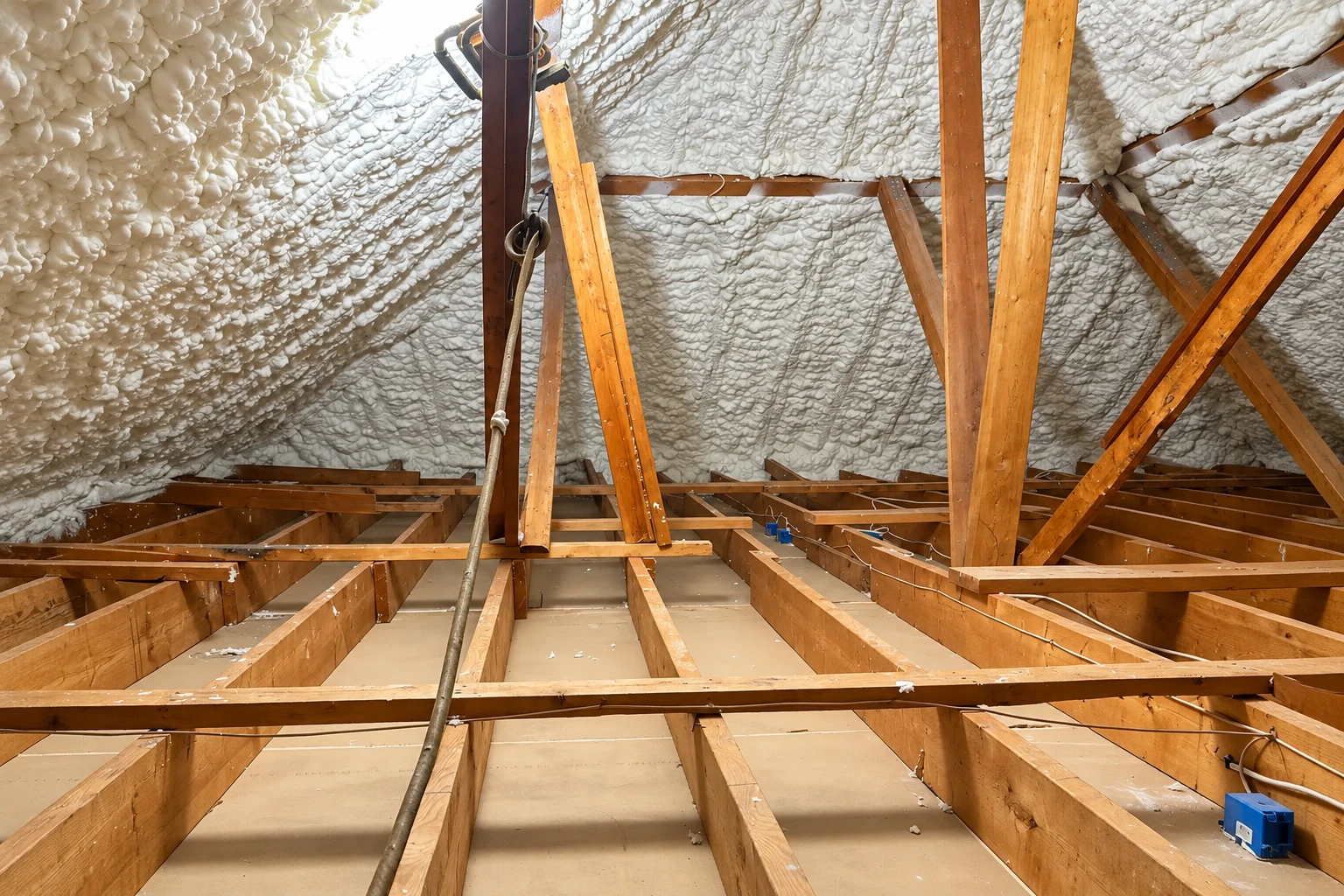
Air sealing services in South Whittier find and close the gaps where air slips between your rooms, the attic and the outside. Your house holds its temperature, and your insulation stops fighting a draft.
If your rooms won't stay comfortable or the power bill keeps climbing, the cause is usually a set of small leaks under the attic insulation that you can't see from the hatch. Three things move the price. How many gaps there are, how easy the attic is to get around in, and how much insulation has to be pulled back or replaced. The schedule mostly depends on how easy it is to get into the attic and whether anything, like a roof leak, needs fixing first. Before work starts we check which building office covers your address, and when a job needs a permit we handle the paperwork and line up the inspections. The estimate gives you your own number, line by line.
I come out, go up into the attic and write the estimate myself. Our crew lead runs the install and I check in on the work, so the person who priced the job keeps an eye on it.
We've done attic work since 2013, and the order matters most. The gaps get sealed before anything new goes down, because insulation laid over a leak just hides it.
We're licensed and fully insured, so you're covered while our crew is up in your attic. Satisfaction guaranteed, and I want you to know exactly what you're paying for before we start.
I start by looking over the attic. I check for a leaking roof, old knob and tube wiring run on porcelain posts, vermiculite, which is a pebbly old loose fill, and bath fans that blow into the attic. Sealing over any of those just hides the problem, so I'll tell you to fix it or get it tested first. Then our crew pulls the insulation back where the hidden leaks are, around can lights, pipes, wires, the hatch and the tops of the walls, and seals them with caulk or foam. The soffit and roof vents are left open on purpose, because they're meant to move air and the attic needs them to breathe. We seal around them and keep them clear. Last, we lay the insulation back even, as deep at the edges as in the middle.
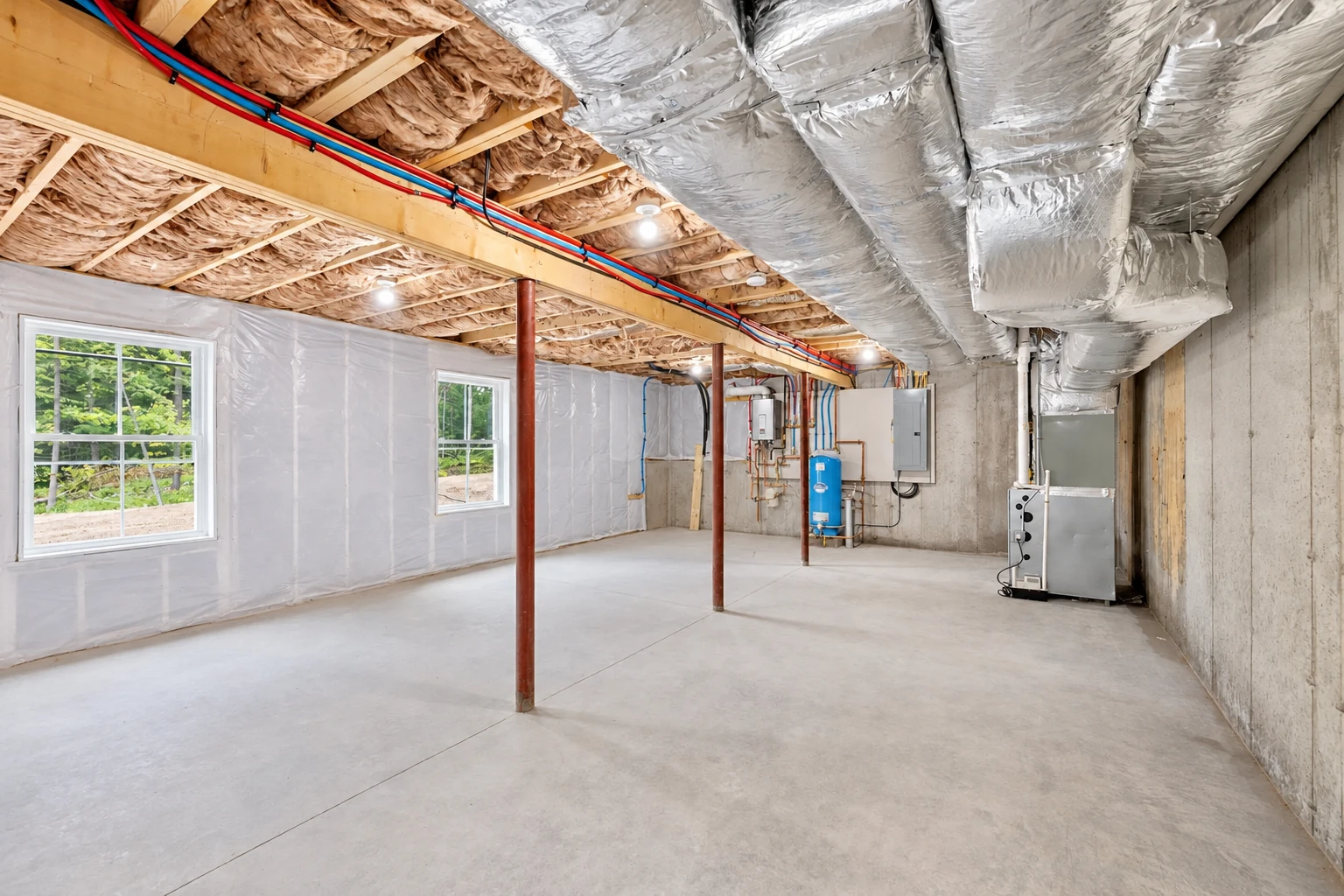
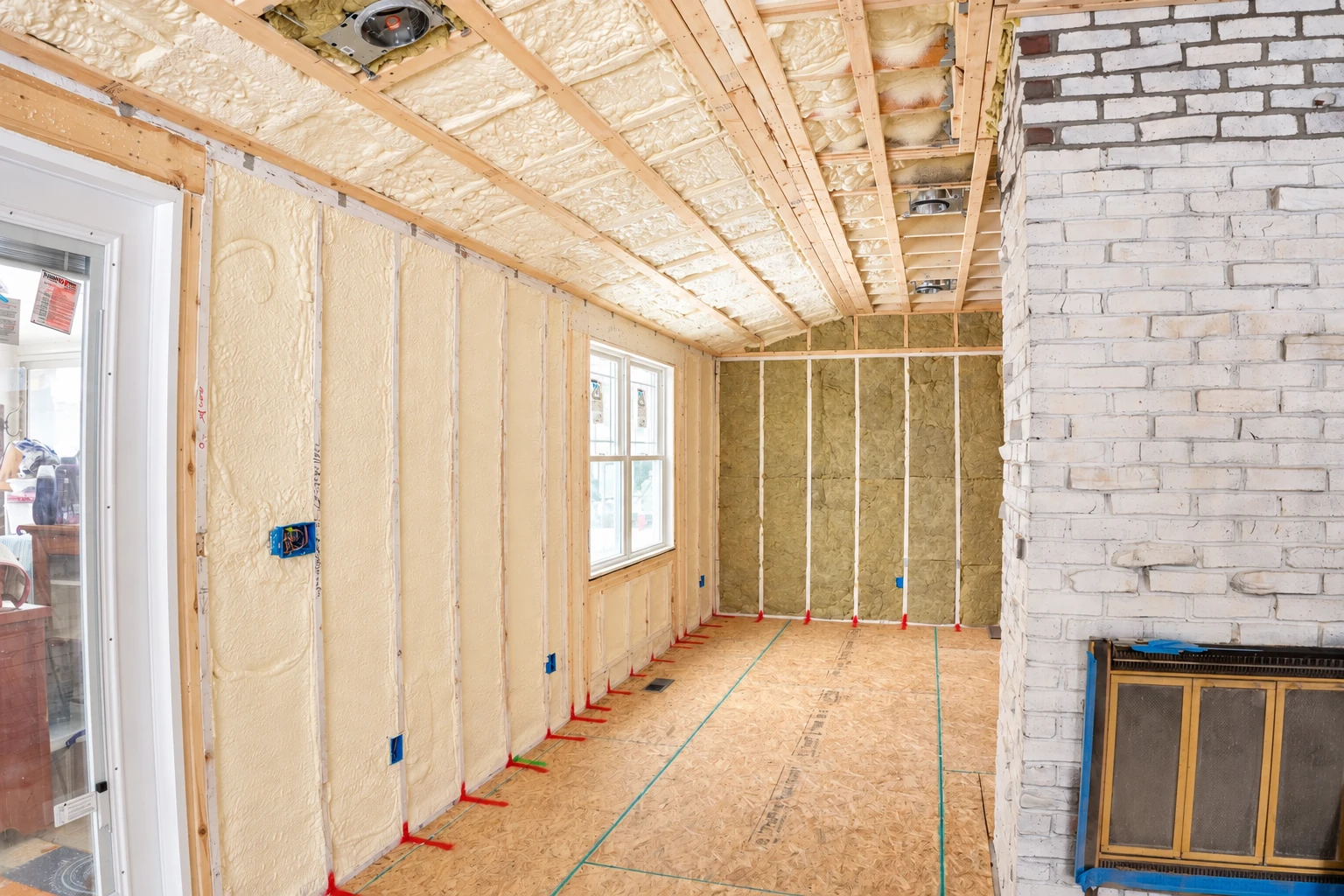
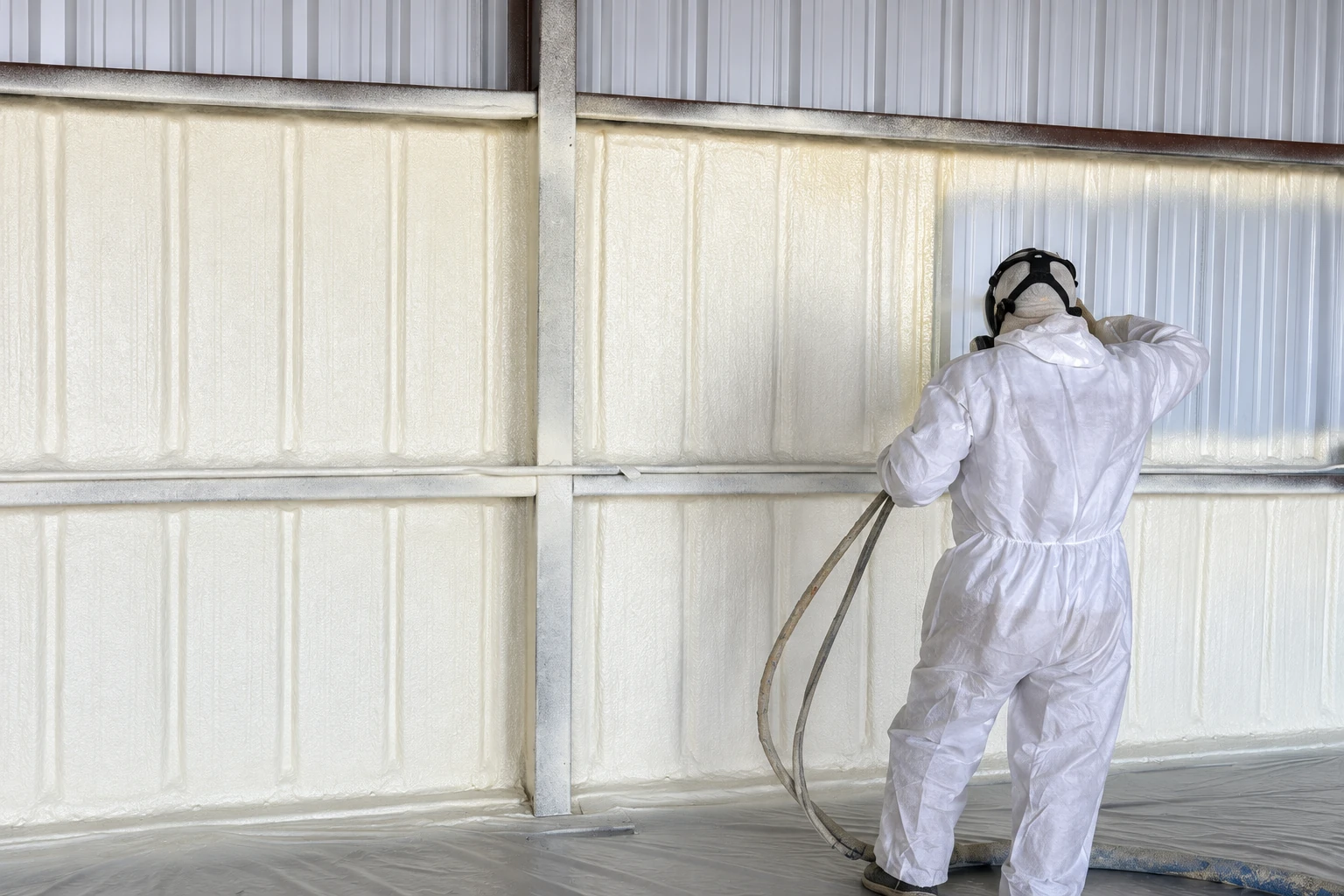
Air sealing often goes with other work. If the cold floors and stale air are coming from below the living space, basement insulation handles that end of the house. When ductwork runs through the attic, I'll talk with you about closed-cell foam insulation, a dense foam that blocks moisture and seals air while it insulates. It costs more, so if the ducts aren't up there, sealing the gaps and topping up loose fill usually gets you more for your money.
When the upstairs bakes all summer and the downstairs stays cooler, air is usually moving through gaps in the ceiling and pulling outside air in behind it. Sealing the attic floor slows that down.
That room sits over a space open to outside air, so gaps around pipes, wires and the ceiling below let heat, cold and garage smells in. We seal those before anything else.
If your old insulation is dirty or worn out and headed for the trash, the attic floor is finally bare. That's the easiest time to seal it, before fresh material buries the gaps again.
Door frames and the spots where pipes, vents and wires pass through outside walls can let air straight in. Weatherstripping and sealant close them, and we check them while we're at your house.
Send the form and we'll reply within one business day to set a time. I'll come out, look over the attic and write your estimate on site, free and with no obligation.
Calls and forms get an answer within one business day. You won't sit through another hot week upstairs just waiting to find out when we can come.
The estimate is done on site, because hidden leaks only show up once someone is in the attic looking. It costs you nothing, and you see what each part of the price covers.
Take the estimate, think it over and compare it with others if you like. Booking is your call, and nobody is going to push you into it.
Examples of sealed can lights, foamed pipe gaps, clear soffit vents and evenly laid attic insulation, to help you picture what to ask about.
Straight answers to what people ask before booking air sealing, from doing it yourself to cost, permits and licensing.
You can handle obvious leaks yourself, like a drafty door, but small, hard-to-find leaks are another matter, especially the ones in the attic covered by insulation. In an existing house, those hidden attic leaks are the main reason to hire the work out, and finding them is most of what we do on this job.
Across the US, air sealing with caulk, spray foam and weatherstripping usually costs about $500 to $1,500 per job. That's a national range, not our price. Your own number comes from the estimate, after I've seen how much of your attic needs sealing and how hard it is to reach.
Yes. When you insulate an existing vented attic, the first step is sealing every opening in the attic floor, because new insulation buries whatever gaps are left. If you're planning new attic insulation, you can book the sealing as part of the same job, ahead of the insulation, and we'll do it in that order.
LA County Public Works issues permits there. Its permit list names heating, air conditioning and ventilation, but not air sealing. Adding or replacing insulation in a vented attic can count as altering the ceiling, which can bring in state attic energy rules that a building official checks. Call the county's South Whittier Building and Safety Office at (562) 946-1390 to confirm what applies at your address.
California's C-2 Insulation and Acoustical class covers contractors who install insulation for temperature or sound control. On home improvement jobs, the state also caps the down payment at $1,000 or 10 percent of the contract price, whichever is less. Later payments are listed in the contract and tied to work done or materials delivered.
Call (562) 358-3003 or send the form with your address, how you get into the attic and any insulation plans, so I can come ready.