
Spray foam insulation
Foam fits the awkward spots in older houses, like the room over the garage or a ceiling with no attic above it, because it fills and seals the gaps it touches.
South Whittier Insulation and Spray Foam is an insulation contractor based in South Whittier, CA. We seal gaps, add new insulation and haul out the old in attics, walls and crawl spaces across East Los Angeles.
East Los Angeles isn't its own city. It's one of the unincorporated areas of the County of Los Angeles, so the Board of Supervisors sets the rules and County departments do the work a city hall would. That makes LA County Public Works the building office for your house. Before work starts, we check what that office asks for at your address, and when a job needs a permit, we handle the paperwork and line up the inspections.
We work in East Los Angeles much the way we do in Pico Rivera or out in West Covina, but the houses here set the job. Most of what we see are older single-story homes on tight lots. Many have a low attic, a converted garage or a room added on later, and the insulation up there is usually thin, packed down or dirty after decades. That's why the price usually turns on how much old material comes out, how many gaps need sealing, how hard the attic is to reach and whether foam belongs anywhere, and your estimate spells out each one. The schedule turns on the same things, plus a permit if the job needs one and any roof leak that has to be fixed before new insulation goes over it.
I come out, get into the attic and write the estimate myself. Our crew lead runs the install and I check in on the work, so the person who priced your job keeps an eye on it.
We do the air sealing first, closing gaps around can lights, pipes and the hatch, because insulation laid over a draft keeps fighting it. Then we keep the eave vents clear so the attic breathes.
If old insulation is soaked, full of droppings or should be tested, I'll tell you to deal with that first, because new material laid over a problem just hides it.
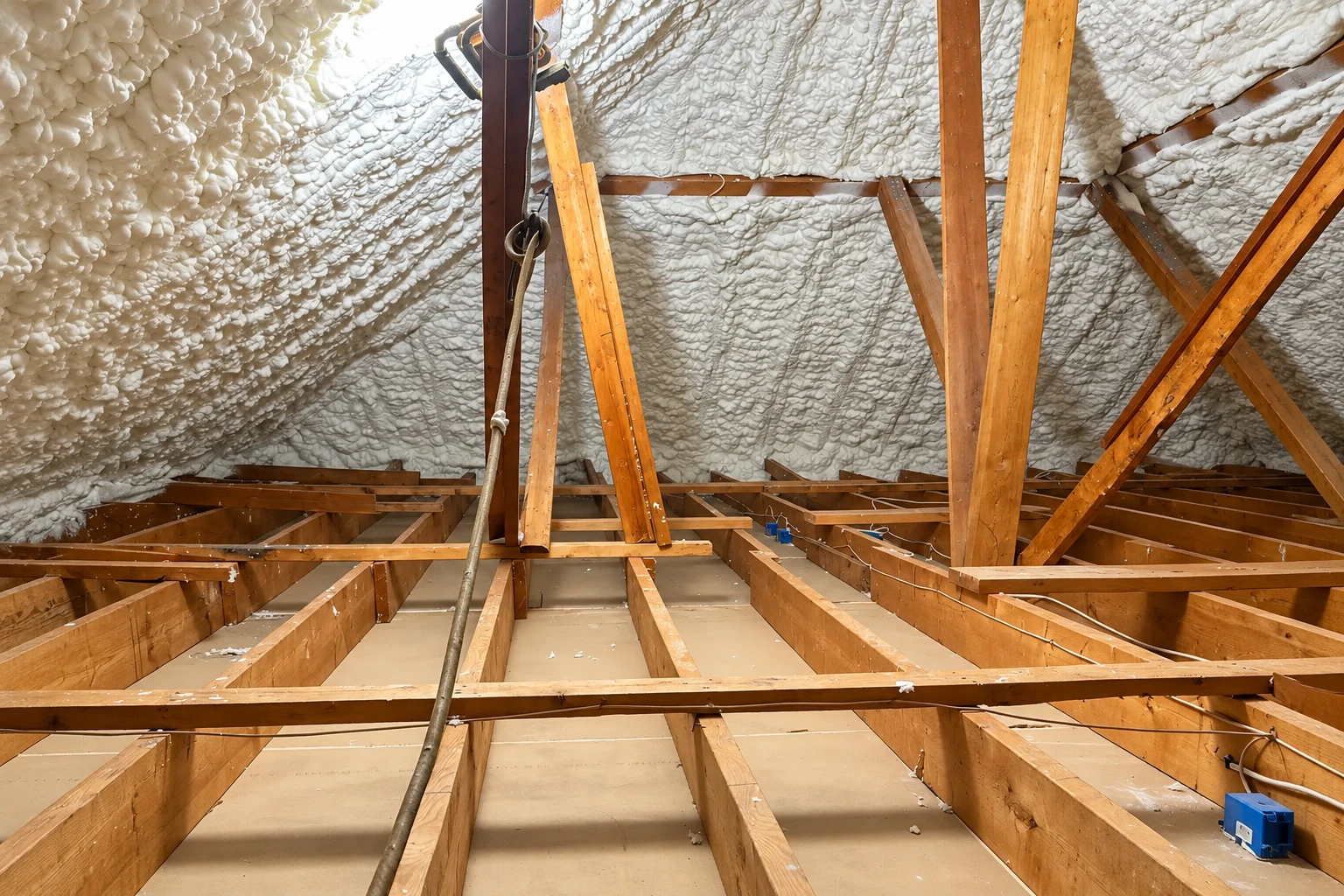
Foam fits the awkward spots in older houses, like the room over the garage or a ceiling with no attic above it, because it fills and seals the gaps it touches.
Most attics we open here have thin, packed-down insulation that runs thinnest at the edges. We seal the gaps first, then bring the whole attic up evenly, eaves included.
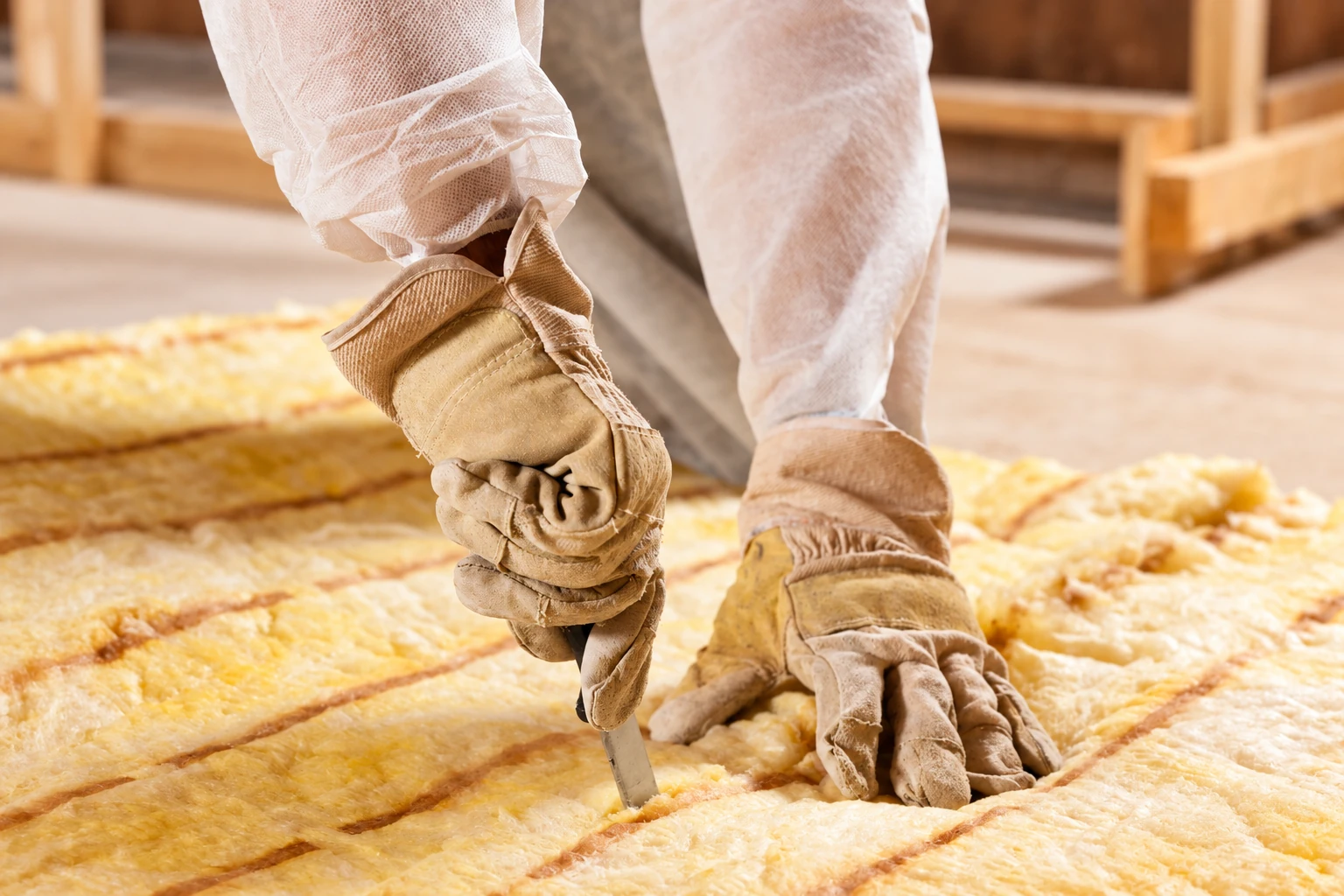
Blown-in insulation is loose fill fed through a hose, so it reaches the tight corners of a low attic without anyone crawling every inch. It's usually the simplest way to top up what's there.
For a drafty house with cold floors and a power bill that keeps climbing, I look at the attic, walls and underfloor together and tell you which part to do first.
When old insulation was soaked by a roof leak or is full of droppings, we vacuum it out before anything new goes in, because covering it keeps the problem in your ceiling.
In raised-floor houses, cold floors usually trace back to bare joists under the house. We insulate between them and fasten it so it stays up instead of sagging onto the dirt.
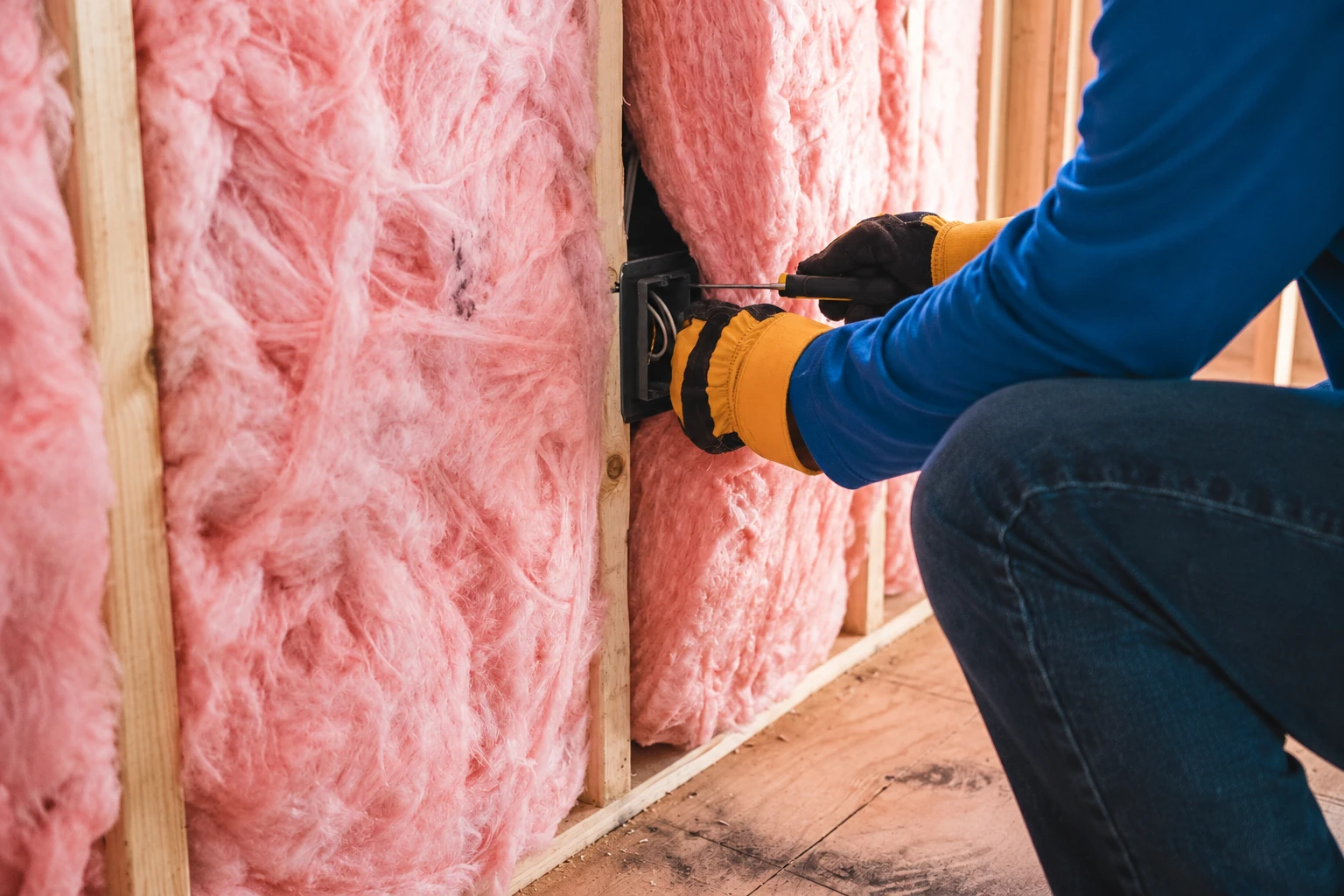
Walls in older houses are often empty. We fill them through small holes that we drill and patch, so you get insulated walls without tearing out plaster or stucco.
Drafts don't only come from the attic. We close gaps at outlets on outside walls, plumbing under sinks and door and window trim, so outside air stops sneaking into the rooms.
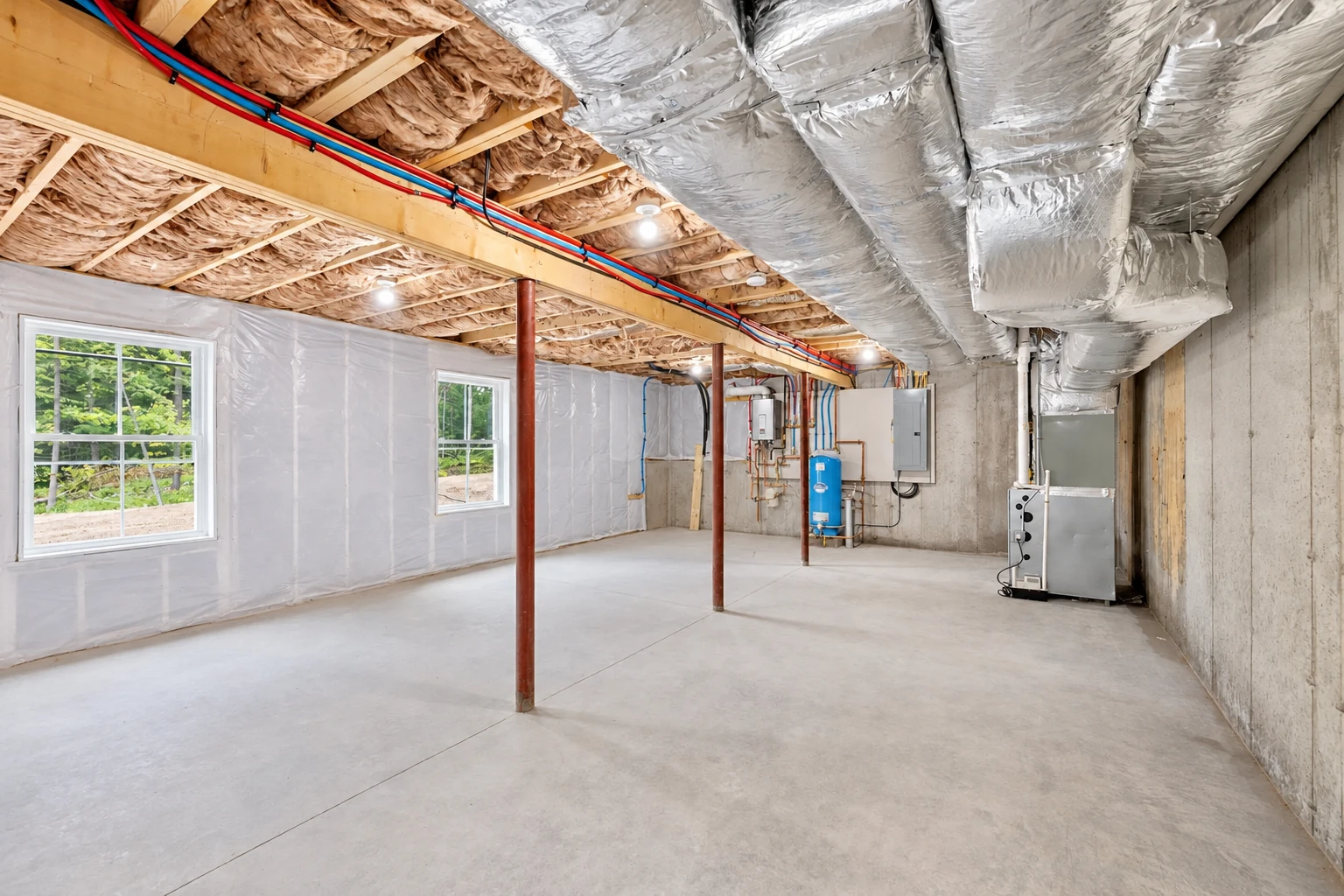
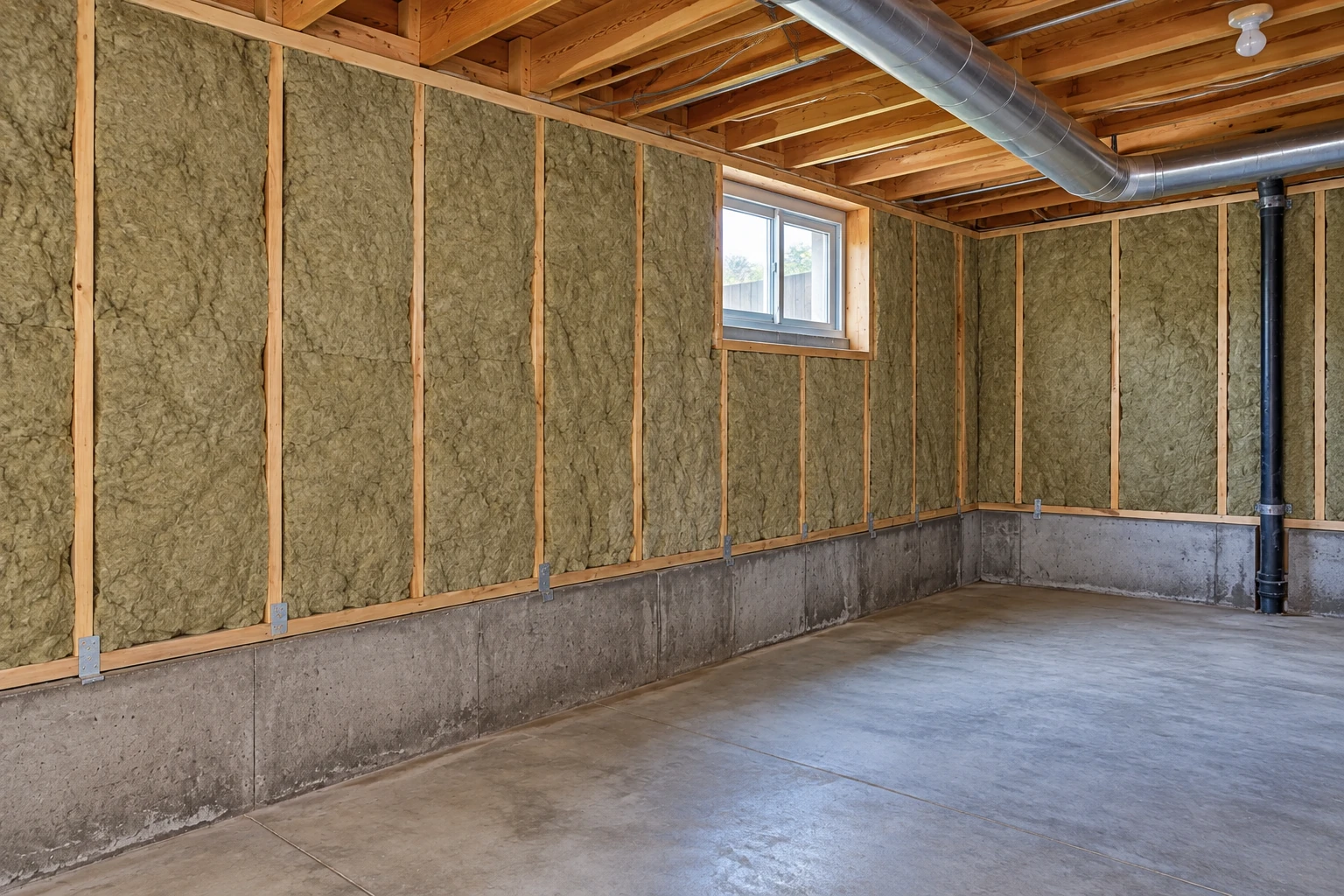
The few basements and below-grade rooms we see around here need insulation that can handle damp walls, so the room stays usable instead of musty.
Closed-cell foam is a dense foam that also blocks moisture, so we use it where damp is the real problem, like under a floor or against a below-grade wall.
Open-cell foam is softer and lighter, so it suits rooflines and interior walls where you want air sealed and noise cut down without paying for the dense kind.
For property managers and small business owners, we insulate and seal storefronts, offices and rental units, and we plan the work around tenants and business hours.
A heavy plastic sheet laid over the dirt under a raised house keeps ground moisture from rising into the floor framing and the insulation we put up there.
We put vapor barriers where moisture would otherwise soak into insulation, like walls beside a bathroom or under a floor, and tape the seams so the sheet stays continuous.
Before anything goes into the attic, we seal the holes around can lights, pipes, wires and the hatch from above, because that's where the draft usually starts.
Adding insulation to a finished house means working around what's already there. We fill old walls and ceilings and top up attics without gutting rooms, and I'll tell you what each part needs.
Send the form and we'll get back to you within one business day to set a time. I'll come out, look at the attic and write your estimate on site, free and with no obligation.
The estimate lays out what comes out, what gets sealed and what goes in, so you know exactly what you're paying for before we start any work.
I started as a helper hauling bags up ladders and feeding hose into attics, then opened this business in 2013, so I know the work from the attic side.
I still answer the phone myself, so the person you reach at (562) 358-3003 is the same one who comes out and looks at your attic.
Here are the questions homeowners in East Los Angeles ask us about permits, licenses, inspections and what happens on install day.
LA County Public Works issues building permits in East Los Angeles, because it's an unincorporated part of the county. Its permit list covers alterations, repairs and mechanical upgrades, and the department has an East Los Angeles Building and Safety Office where you can ask whether your job needs one. We check that for your address before we start.
Usually, yes. California's Contractors State License Board requires a license when a job needs a building permit, uses any extra workers, or totals $1,000 or more in labor and materials. A contractor also has to hold that license before bidding on the job. We're licensed and fully insured.
You need to request the first inspection within 12 months of getting the permit, and after that an inspection every 6 months keeps the permit active, according to LA County Public Works. If your job needs a permit, scheduling those inspections is part of the paperwork we take care of.
For blown-in work, usually not, though the crew will be going in and out through the attic hatch, so keep kids and pets away from that spot. Spray foam is different. You'll stay out until the re-entry time, when it's safe to come back inside, and I'll give you that time before we spray.
For most older attics, sealing the gaps and topping up loose fill is the better buy. Foam costs more and seals air while it insulates, so it mainly earns its price when your ductwork runs through the attic. I'll look at what's up there and tell you which one fits your house.
Each city below has its own page about what we see on jobs there. If your city isn't listed, call (562) 358-3003 and ask, because we take jobs all around South Whittier.
Call (562) 358-3003 tonight, since we answer until 11 PM on weekdays and 10 PM on weekends, or send the form anytime.