
Attics with ductwork up there
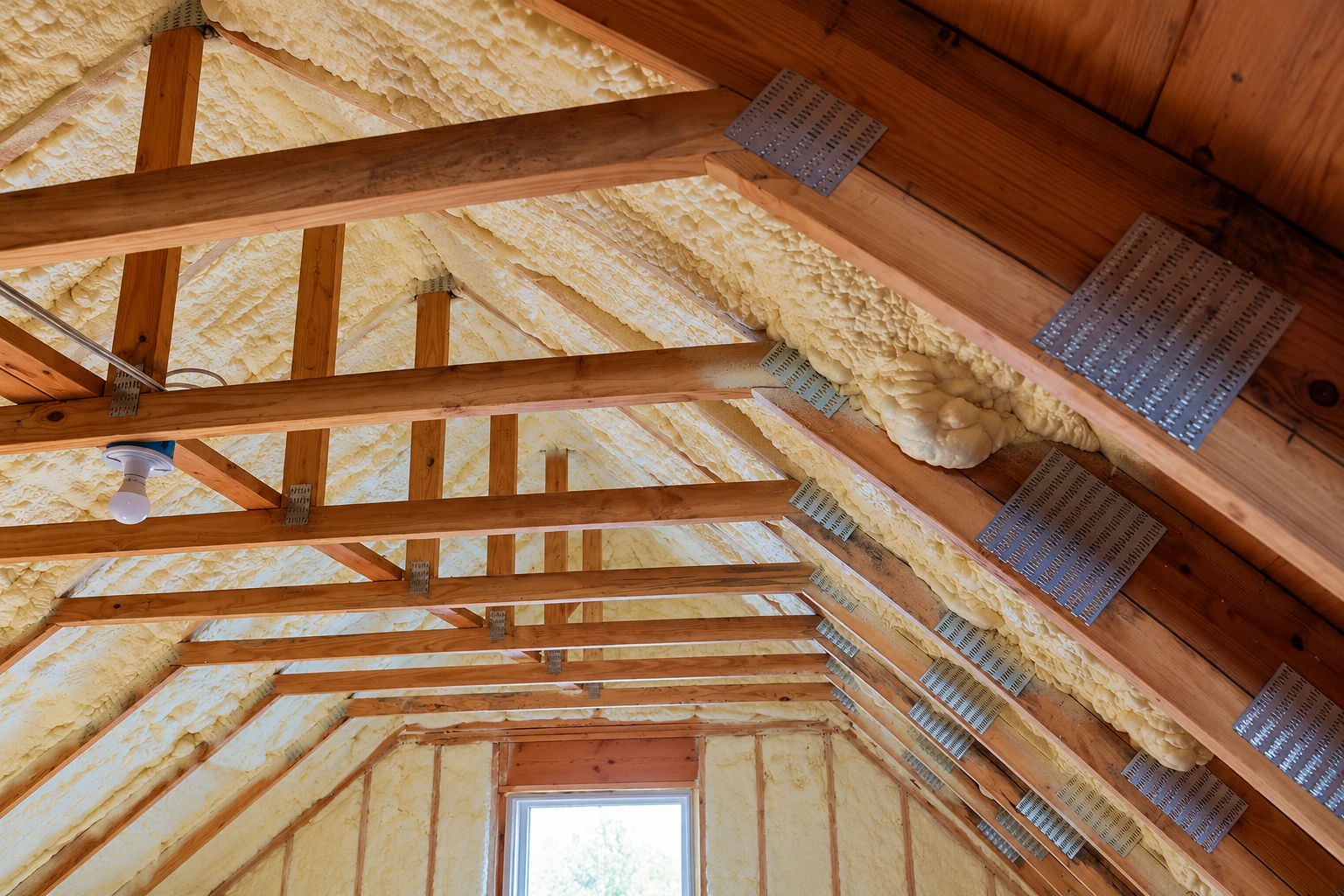
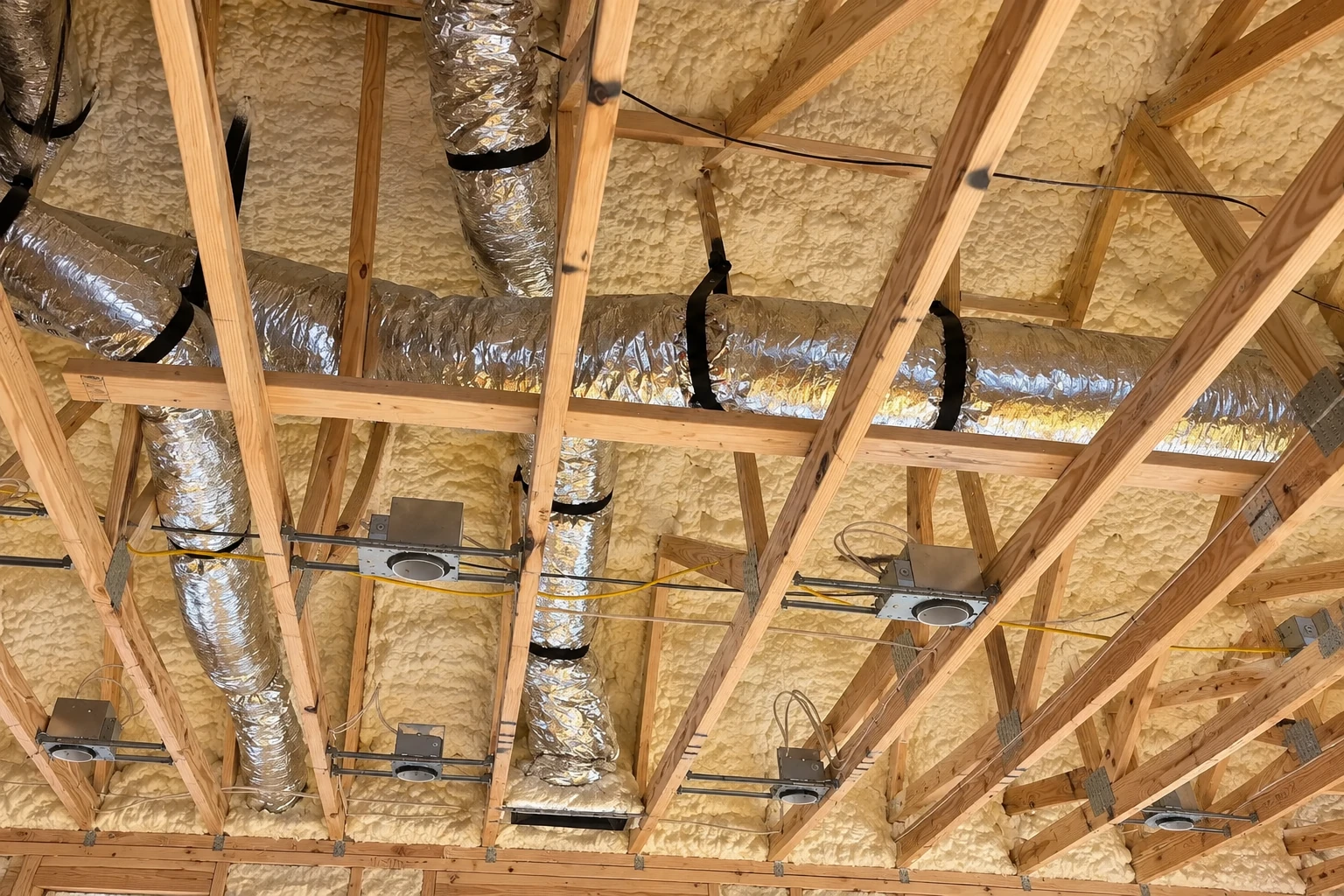
When your ducts run through the attic, foam on the underside of the roof brings that space closer to the temperature inside, so cool air in the ducts isn't fighting a hot attic.
Hot upstairs rooms, drafts and a climbing power bill usually trace back to air leaks. Foam seals them and insulates in one pass.
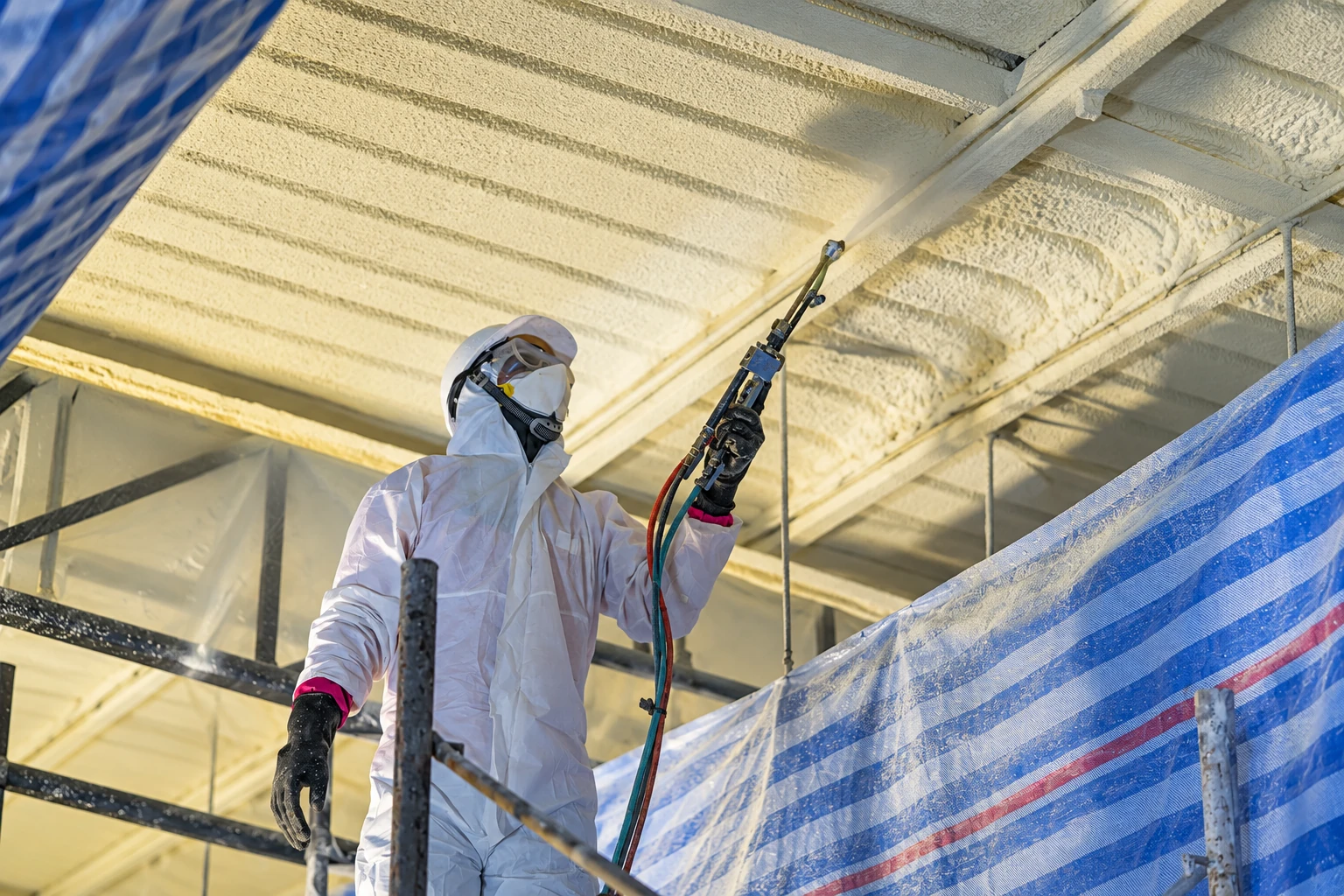
Spray foam insulation is foam our crew sprays onto the roof deck, walls or crawl space of your South Whittier home. It expands into the cracks and gives you insulation and an air seal in one layer, so drafts drop off and rooms hold their temperature better.
Most calls I get about foam start with an upstairs that won't cool down, a drafty room over the garage, or old insulation that's dirty and flattened. The price moves with the square footage, which foam fits the space, how thick it goes on, whether it needs a fire covering and whether old material has to come out first. The schedule mostly turns on that cleanout, any permit the county asks for, and finding a day your family can be out of the house. I come out, measure and write the estimate myself, so you know exactly what you're paying for before we start.
I'd rather tell you to fix a roof leak or get old insulation tested first than spray over it, because foam laid on top of a problem just hides it.
I've run this business since 2013 and I still come out to look at the job. Our crew lead runs the install, and I check in while the work is going on.
California's C-2 insulation classification covers installing any insulating material for heat or sound, spray foam included. We're licensed and fully insured. Satisfaction guaranteed.
Before we pick foam, I ask where it's going and whether anyone at home has breathing trouble, because spray foam isn't right for every space or every household. I also check what's already up there, and if the old insulation is soaked or full of droppings, it comes out first so the problem doesn't get sealed in. Then we plan with you for the time your family spends out of the house. On the day, our crew lead covers what needs protecting, seals around can lights, pipes and the hatch, and sprays to the thickness we planned, with the edges getting as much as the middle. We clean up, and I check the work before we call it done.
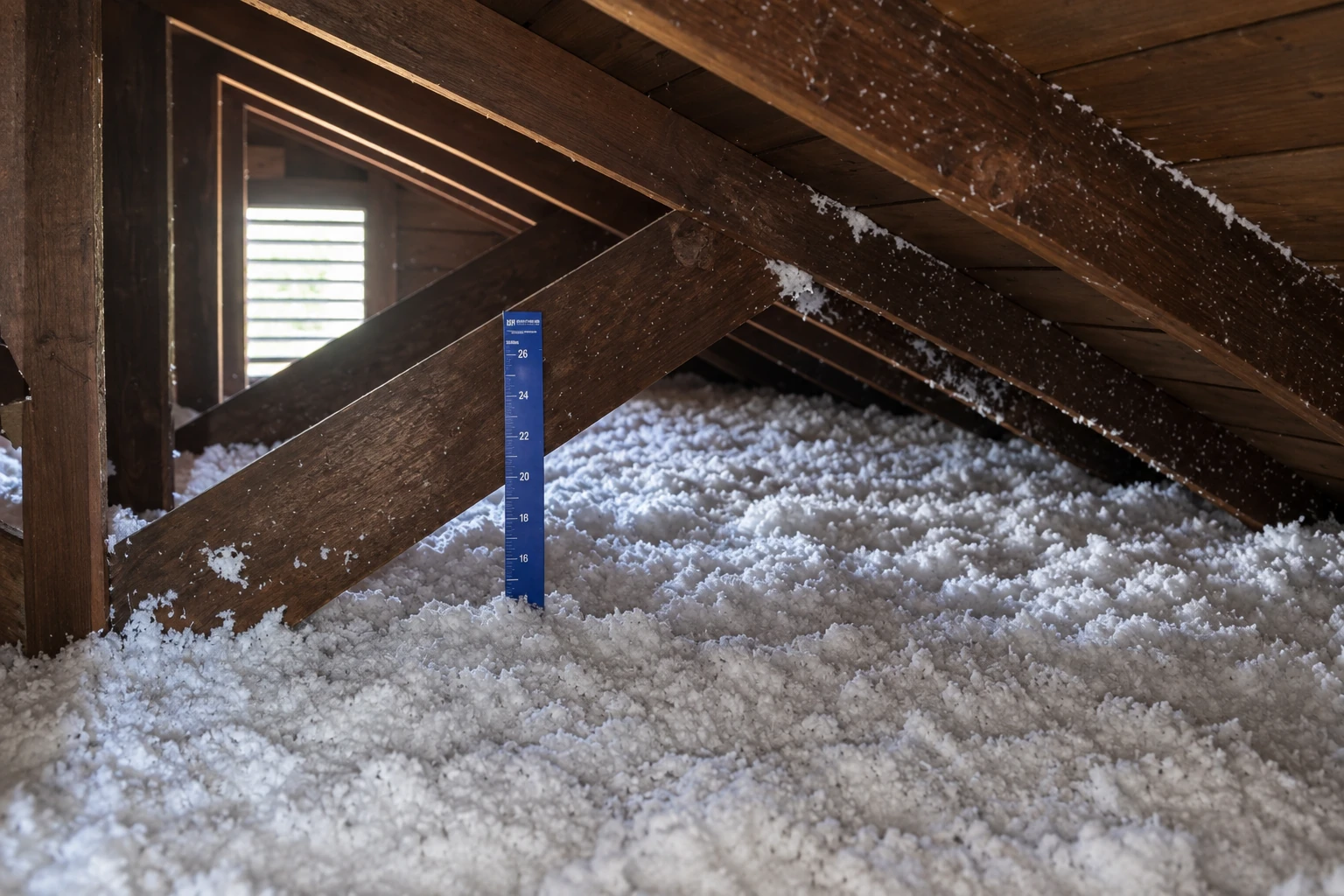
Foam costs more than loose fill, and it earns that when your ductwork runs through the attic, since sealing the roof deck keeps those ducts out of the heat. If your attic has no ducts, I'll usually steer you toward sealing the gaps and topping up with blown-in insulation, loose fill blown through a hose, because it does the job for less. Our attic insulation page walks through that side of the work.
When your ducts run through the attic, foam on the underside of the roof brings that space closer to the temperature inside, so cool air in the ducts isn't fighting a hot attic.
That room usually runs hot in summer and cold in winter because air moves through the floor and the walls around it. Foam closes those paths while it insulates.
When the drywall is off, foam can fill the open stud bays and seal around wiring and outlets in one pass, which is hard to match once the wall is closed again.
Floors over a vented crawl space can feel cold underfoot. Foam on the rim joist, the wood band along the top of the foundation, stops much of the air that sneaks in there.
Send the form and we'll get back to you within one business day to set a time. I come out, look at the space and write a free estimate, with no obligation to go ahead.
Tell us whether it's the attic, the room over the garage, a crawl space or walls you're opening up, since the space decides which foam we'd look at.
A rough size of the space, even a guess from the floor plan, helps me plan the visit and gives you a sense of scale before I measure.
Let us know if anyone at home has asthma, allergies or skin trouble, so we can talk through whether foam suits your household before we choose it.
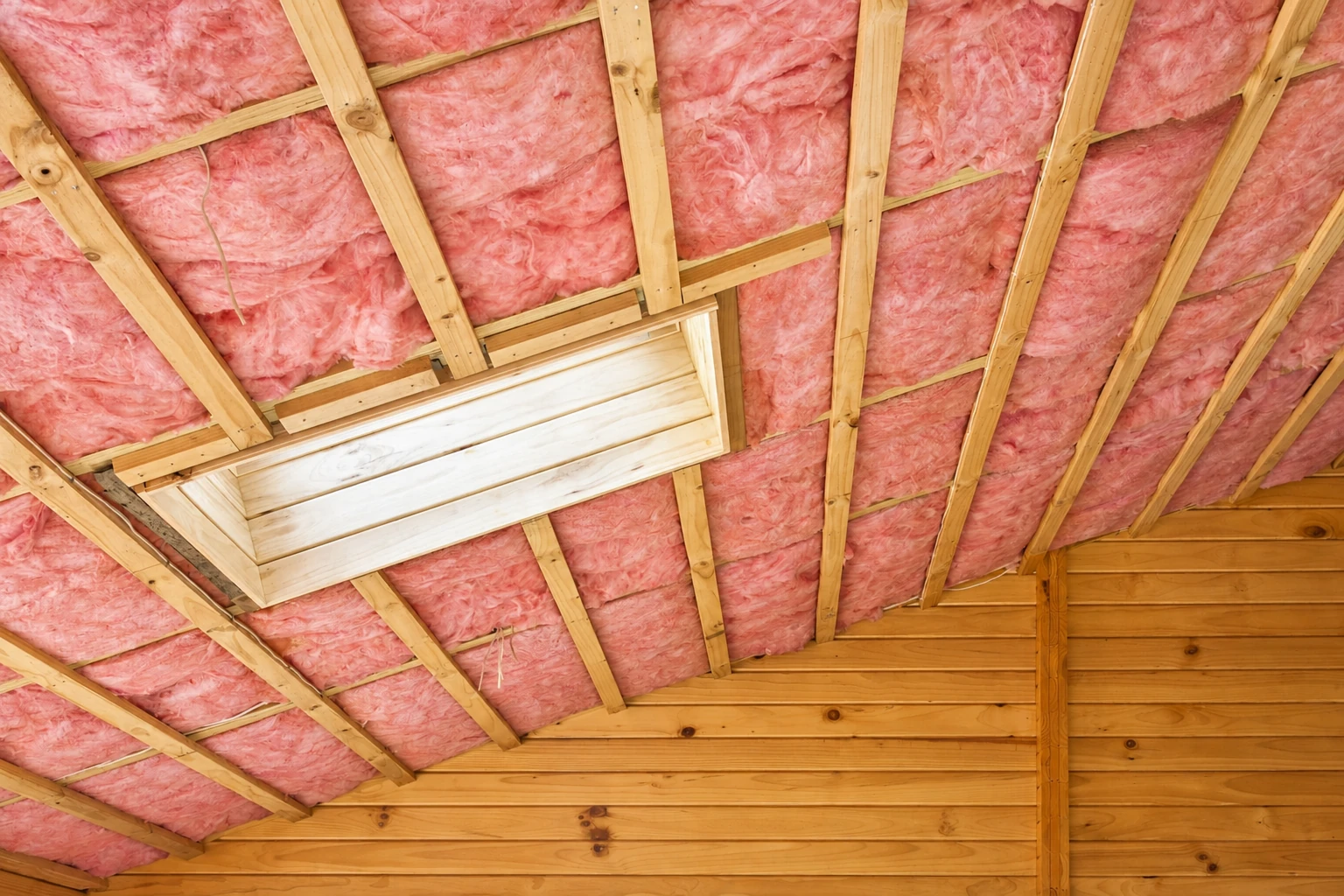
These photos show open-cell and closed-cell foam on roof decks, walls and rim joists, to help you picture the options before we talk.
Straight answers on cost, foam types, fire coverings, time out of the house and permits for spray foam work around South Whittier.
Spray foam in the Los Angeles area usually costs about $2 to $5 per square foot. Where your job falls in that range comes down to the area, the foam type, the thickness and any extras the space needs. I measure all of that on site and write it up at the estimate.
Closed-cell foam, the dense kind that blocks moisture, is usually the choice below ground. Open-cell foam lets moisture pass through, so in many cases it's a poor match for spaces below ground level. Closed-cell foam in a basement must have a thermal barrier over it, a fire-resistant covering, so plan on that being part of the job.
Plan on at least 24 hours away, kids and pets included, which is what consumer safety guidance suggests for the install and the time after it. We set the date with you ahead of time, so you can line up a place to stay, and we go over the safety plan for the day before we start.
It can be, but safety guidance says people with asthma, respiratory allergies, skin conditions or a past sensitivity to isocyanates, chemicals used in the foam, should read the product information carefully first. If it's a real concern, another insulation may be the better choice. That's why I ask about breathing trouble before we pick foam.
It often does. Depending on the foam maker, foam may need a thermal or ignition barrier over it, a covering that keeps fire off the foam. In a crawl space that isn't used for storage, an ignition barrier may be enough, including an approved intumescent paint, a coating applied over the foam. When your job needs one, it goes on the estimate.
We do. South Whittier is unincorporated, so LA County Public Works issues building permits here through its South Whittier office in Norwalk, and the state's Energy Code reaches work on existing homes, not only new ones. Before we start, we check what the county asks for your job, and when it needs a permit we handle the paperwork and line up the inspections.
I still answer the phone at (562) 358-3003, and if your city isn't on the site, call and ask anyway.